Best Italian Restaurants in Washington Dc: A Local’s Guide
Washington's Italian dining runs deeper than the tourist circuits, scattered across wards that reward people who move through the city on foot.
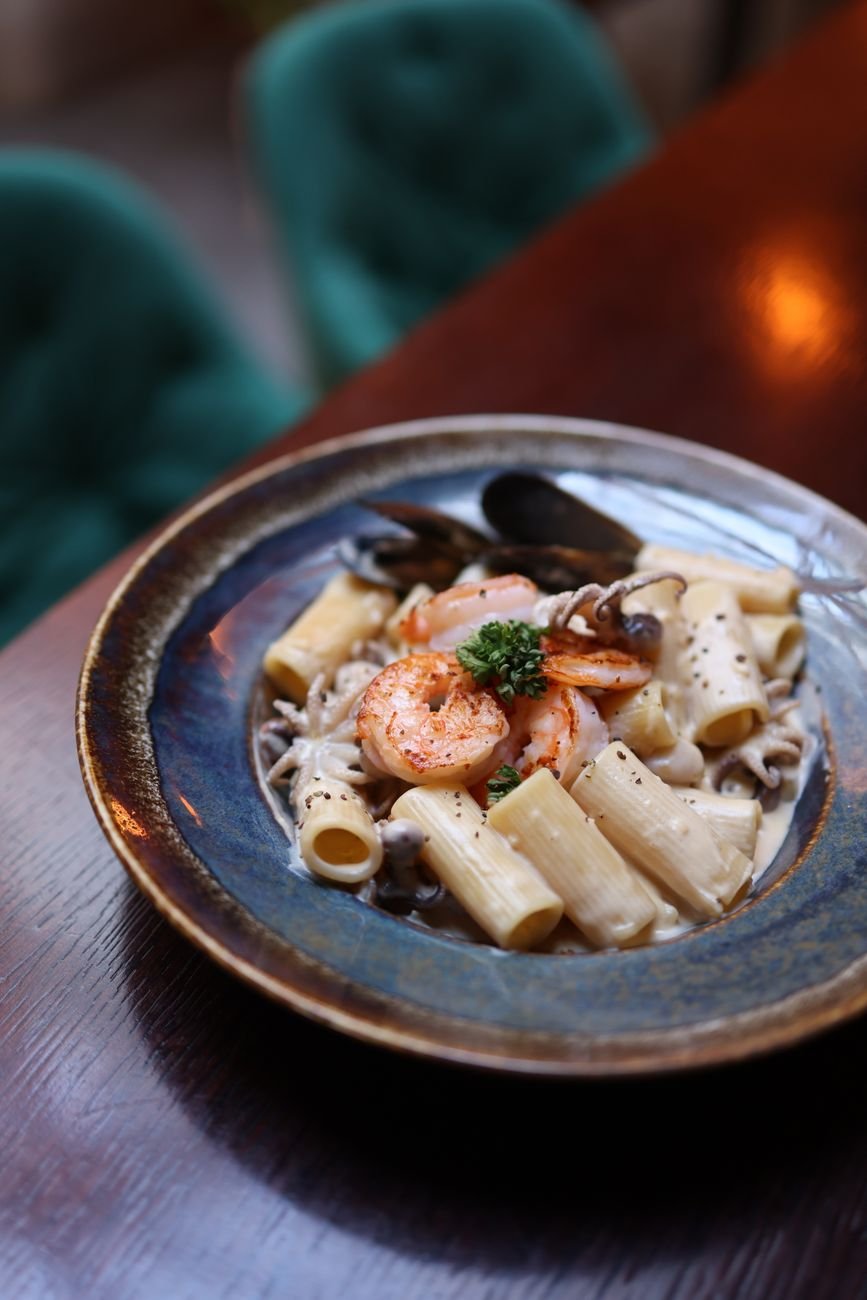
There is a moment in late autumn when the dining rooms along 14th Street fill up before six o'clock, and the city's collective hunger shifts from patio season to something slower and warmer. That is when you start thinking about pasta. Washington's appetite for Italian cooking has always run deeper than the tourist circuits suggest, and the best italian restaurants in washington dc are scattered across wards in ways that reward people who actually live here and move through the city by Metro and on foot rather than by tour bus.
This is not a city that came to Italian food late. The mid-20th-century carry-out culture that gave DC the half-smoke and mumbo sauce existed alongside Italian-American spots that anchored neighborhoods long before the current restaurant boom. What has changed in the past decade is sophistication: the sourcing, the pasta programs, the wine lists. A city that takes its Ethiopian cooking on 9th Street seriously, and debates the merits of every new arrival on H Street, brings the same exacting attention to whether the cacio e pepe has too much cream.
How to Think About the Best Italian Restaurants in Washington DC
The first thing to understand is that ward matters. Georgetown has long had white-tablecloth Italian that leans on old-money comfort and expense-account reliability. Shaw and Logan Circle have absorbed a newer wave of chef-driven spots that import the aesthetics of contemporary Rome or Naples. The Wharf, which reinvented southwest DC's waterfront, brought with it several Italian options aimed squarely at the date-night demographic. None of these scenes is better than the others. They serve different versions of what Italian food in an American city can be.
The second thing: pasta made in-house is the single most reliable quality signal. A kitchen that rolls its own tagliatelle or shapes its own orecchiette by hand is telling you something about its priorities. Ask when you call, or look for it noted on the menu. In a city full of competent kitchens, the pasta program is often what separates a good Italian restaurant from a great one.
Georgetown and the West Side
Georgetown remains the neighborhood most associated with formal Italian dining in Washington. The clientele skews older and wealthier, the lighting is dim in the way that flatters everyone, and the cooking in the better rooms is technically proficient and consistent. If you are taking parents to dinner or celebrating something that calls for tablecloths, Georgetown delivers. The criticism from younger locals is fair enough: these places can feel sealed off from the rest of the city, geographically and socially. Getting there without a car means a bus or a long walk from the nearest Metro stop, and that inconvenience filters the crowd.
What Georgetown does well is the category of Italian-American comfort: veal, risotto, a tiramisu that has been on the menu for fifteen years because it works. It is not where you go to taste what a young chef learned in Bologna last year. It is where you go when you want the thing you already know, executed correctly.
Shaw, Logan Circle, and the 14th Street Spine
The stretch of restaurants running roughly from P Street up through U Street and across into Shaw represents the most competitive and interesting Italian dining in the city right now. This is where chef-driven concepts land, where the wine lists go beyond the expected Barolo and Chianti into natural wines and obscure southern Italian producers, and where the room design gets self-conscious in ways that can be either charming or exhausting depending on your tolerance for exposed concrete.
The cooking in this zone tends toward a contemporary Italian-American hybrid: familiar techniques applied to local sourcing, with an Italian framework. You will find pastas that change seasonally, small plates structured around antipasti, and a general willingness to push the cuisine somewhere. The neighborhood itself, with its history as the heart of Black Broadway, carries a complicated charge. Significant gentrification has reshaped Shaw over the past fifteen years, and the restaurant economy is part of that story. Eating well here and knowing that history are not mutually exclusive, but they occupy the same space.
The broader Shaw dining scene rewards the kind of wandering that reveals who else is on the block and what else the neighborhood is cooking.
Northeast and the H Street Corridor
H Street has been the city's most reliably unpredictable dining corridor for over a decade. It started as a bar strip and grew into something more complex, with a genuine mix of cuisines and price points. Italian representation here tends toward the casual end: wood-fired pizza, straightforward pasta, places you can walk into without a reservation on a Tuesday. The vibe is less precious than Logan Circle, and the crowds are younger and more neighborhood-mixed.
Pizza in DC deserves its own conversation, and the H Street corridor has contributed meaningfully to it. The city has moved past the thin-crust-versus-deep-dish argument that dominates elsewhere and landed on a preference for Neapolitan-influenced pies with quality toppings and decent char. Whether that constitutes a local identity or just reflects national trends is a reasonable debate. Either way, there are good pies on that end of town.
What to Order, and What to Skip
Across the city's Italian restaurants, the pasta courses are almost always the safest bet. The secondi, the protein courses, are where kitchens either prove themselves or reveal their limitations. A city this close to the Chesapeake has access to excellent seafood, and Italian preparations of Maryland blue crab or rockfish can be remarkable when a kitchen bothers to source locally. When a menu is built around imported ingredients alone and ignores what is available sixty miles away, that is a choice that tells you something.
Skip the bread-basket autopilot. In the better rooms it actually reflects the kitchen's standards, but in the mediocre ones it's an afterthought that eats your appetite and your bill. The tiramisu is almost always worth ordering. Italian pastry in DC is underrated, and the dessert course separates the restaurants that care from the ones that don't.
Italian food in Washington carries neighborhood personalities as distinct as the wards themselves. The Georgetown version and the Shaw version are different experiences of the same cuisine, shaped by different histories and different crowds. Knowing which one you want is most of the decision.
A Practical Note
Reservations are necessary at the better spots on Friday and Saturday nights, sometimes weeks out. Sunday is underrated. Kitchens are often at their most relaxed, staff turnover is lower on quiet nights, and you will not be competing with a bachelorette party for the back booth. Go on a Sunday in November, order the pasta, drink something from Campania, and let the city do what it does best when no one is performing for anyone.