Spring Things to Do in Washington Dc for 2026
Cherry blossoms pull the tourists to the Tidal Basin, but the real DC spring runs through Eastern Market, the Meridian Hill drum circle, and Nationals Park opening day.
Anyone researching spring things to do in washington dc usually starts with the Tidal Basin, but the real season starts earlier and reaches further than that. By seven in the morning on a Saturday in late March, the produce vendors outside Eastern Market are already stacking the first ramps and rhubarb next to winter's last root vegetables, and the line for a crab cake sandwich has started to form before most of Capitol Hill has finished its coffee. Two miles away, joggers cut through Meridian Hill Park past magnolia trees dropping petals onto the cascading fountain, and by Sunday afternoon the drum circle will have the whole hillside moving. That is what spring actually looks like in Washington, and it has almost nothing to do with the National Mall. The season runs from the first magnolia bloom in March through the go-go beats drifting out of open car windows in May, and it plays out in neighborhoods most visitors never reach.
Winter in DC is gray and function-first. People put their heads down and get through it. Spring is when the city exhales. Rowhouse stoops on Capitol Hill fill with folding chairs again. The patios on 14th Street get their tables bolted back down. Half Street outside Nationals Park turns into a pregame block party. And east of the Anacostia River, the trails and gardens that don't make anyone's tourist itinerary come back to life with just as much color as anything downtown. The rest of this guide moves through the season the way a resident would: what's blooming, where to eat and drink outside again, and which neighborhoods are worth an afternoon.
Blooms and Outdoors: Where Spring Actually Shows Up
The Tidal Basin, Best Seen Early or Late
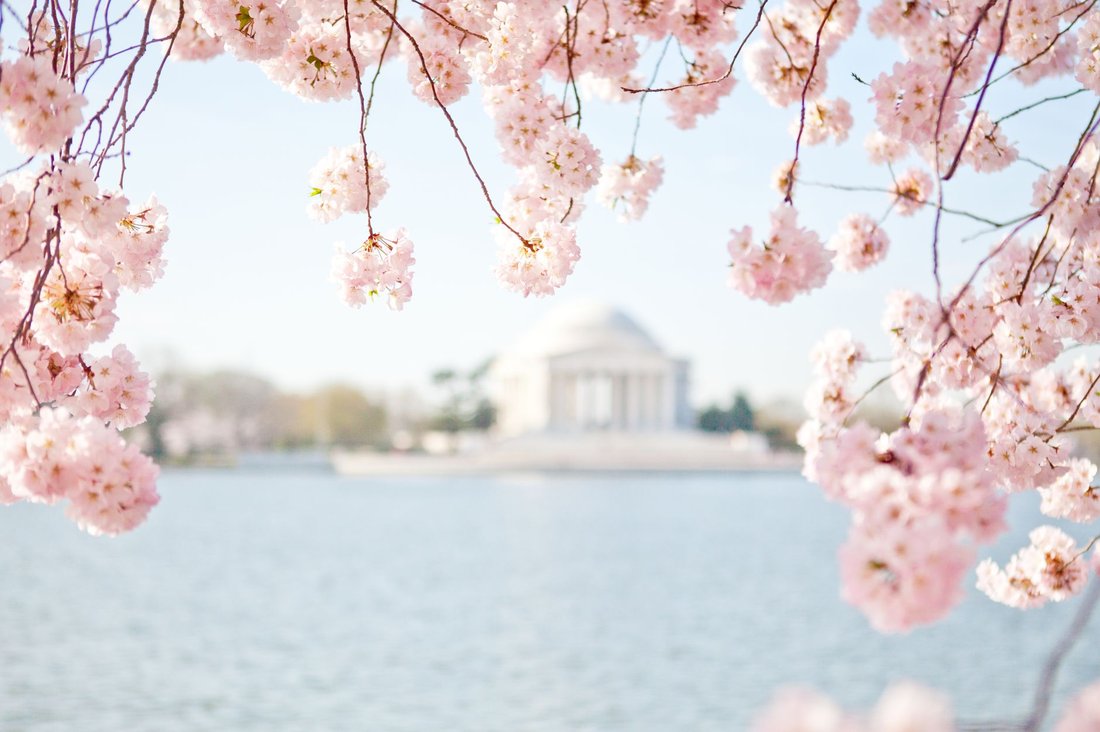
The Tidal Basin's cherry trees are the reason half the country associates Washington with spring, and they earn it. The pathway around the water turns into a tunnel of pink and white blossoms that photographs about as well as anything in the city. Peak bloom varies year to year, usually landing somewhere in late March into early April, and the National Park Service tracks the bud stages if you want to time a visit. The trick locals use is arrival time: get there at sunrise before the tour buses unload, or come back in the evening after the crowds thin. Walk the full loop rather than stopping at the first cluster of trees near the paddleboats. The stretch near the Martin Luther King Jr. Memorial and around toward East Potomac Park gets noticeably quieter.
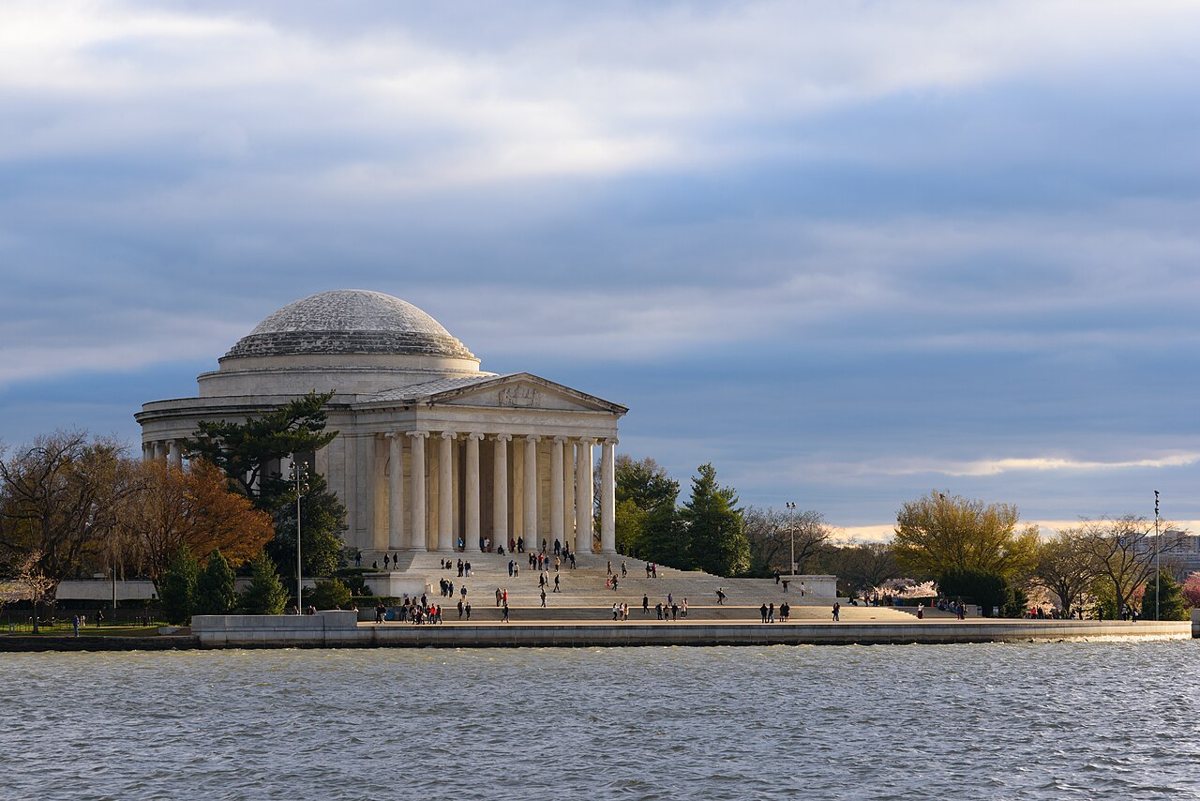

If you want the blossoms without fighting for a parking spot or a Metro car packed shoulder to shoulder, Hains Point and East Potomac Park sit just south of the Tidal Basin and get a fraction of the foot traffic, with their own cherry trees, a golf course, and open riverfront green space that's easy to have mostly to yourself on a weekday.
The National Arboretum's Quieter Bloom Season
The United States National Arboretum in Northeast, in Ward 5, is where a lot of DC residents go instead of fighting the Tidal Basin crowds. Its own cherry collection blooms on a slightly different schedule, and spring also brings azaleas across the hillsides and the dogwood collection into flower. The Capitol Columns, twenty-two Corinthian columns pulled from the East Portico of the U.S. Capitol during a 1950s renovation and re-erected on a grassy meadow here, are one of the more surreal, underphotographed sights in the city, especially with azaleas blooming around the base. The grounds are large enough that you can spend half a day wandering without seeing the same twenty people twice.

Insider move: come on a weekday morning, bring a car if you can since the Arboretum isn't an easy Metro trip, and head first to the Asian Collections and bonsai museum before the azalea hillsides get busy in the afternoon.
Meridian Hill Park's Sunday Drum Circle
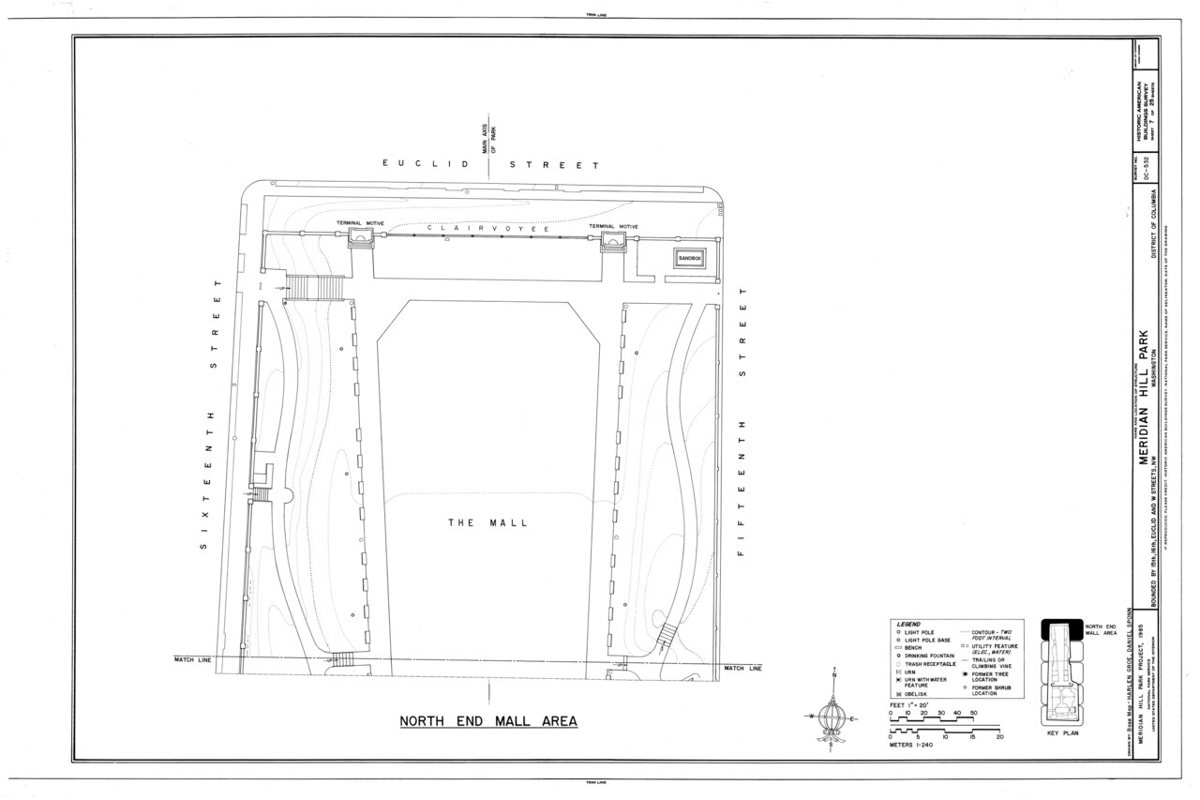
Meridian Hill Park, which plenty of longtime residents still call Malcolm X Park, is a terraced hillside park in Columbia Heights with a cascading fountain, formal gardens, and a statue of Joan of Arc. What makes it a spring institution is the Sunday drum circle, a decades-old, informal gathering of drummers and dancers, with onlookers crowding in, that starts in the afternoon and builds as the weather warms. It's free, unpermitted, entirely community-run, and among the most genuinely DC things you can witness. Nobody is performing for tourists here. Bring a blanket, sit on the grass above the fountain, and let it happen around you.
Rock Creek Park Waking Up
Rock Creek Park cuts the length of the city, starting at the Maryland line and running south to meet the Potomac, and spring is when it stops being a place you drive past and becomes a place you actually walk into. The wooded trails along the creek fill in with green well before the rest of the city catches up, redbud trees bloom in a deep magenta along the paths, and the paved multi-use trail fills with cyclists and runners on the first warm weekends. Pierce Mill and the Nature Center are good anchor points if you want a destination rather than just a wander, and the park's width means you can find a quiet stretch even on a crowded Saturday.
Neighborhood Spring: Where DC Actually Lives
Eastern Market Comes Back to Life
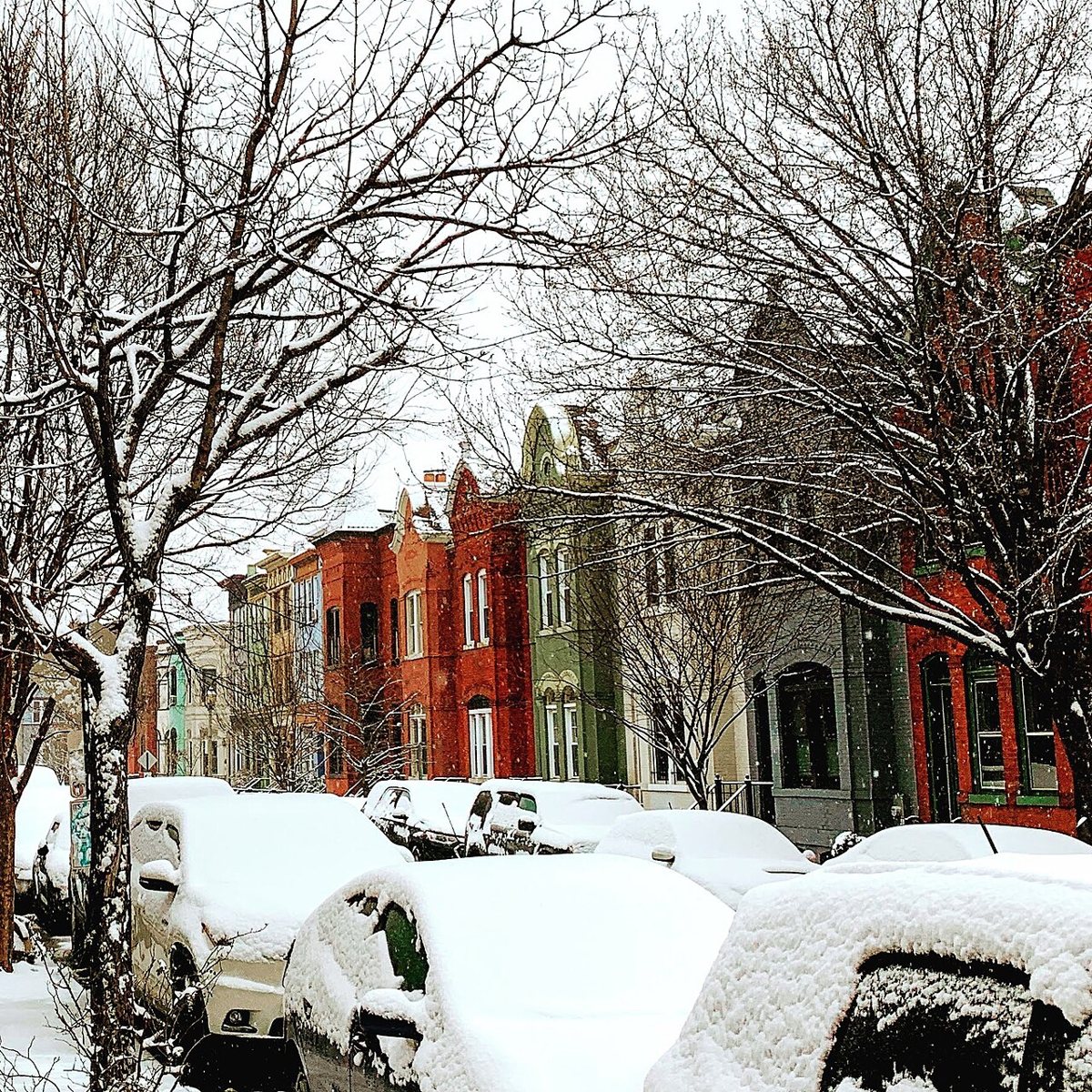
Eastern Market on Capitol Hill runs year-round, but spring is when the outdoor arts and crafts stalls expand along 7th Street SE and the whole scene spills out onto the sidewalk. Saturdays bring the farmers' market inside and out, and Sundays add a flea market with vintage furniture and records, plus jewelry from vendors who've been showing up for years. Get there early for produce, then walk a few blocks in any direction. It remains among the most intact rowhouse neighborhoods in the city, and Ward 6's stoops fill up with people the moment the temperature clears 60.

Shaw and the U Street Corridor
Shaw carries the weight of being historic Black Broadway, the stretch of U Street that was one of the country's most important Black cultural and business districts through the early-to-mid twentieth century, home to Duke Ellington and a thriving jazz and theater scene. Spring is when the neighborhood's outdoor life catches up with its history. Patios open along U Street, the plaza outside the Metro station fills with people, and the African American Civil War Memorial and Museum nearby stays a worthwhile, quiet stop. This is also go-go territory. Go-go is DC's own music, a percussive, call-and-response, endlessly danceable sound born here in the 1970s and later named the city's official music, and warmer weather means more of it spilling out of cars and shops onto street corners than you'll hear in January.

Adams Morgan's Patio Season
Adams Morgan has always run on nightlife, and spring is when its restaurant and bar patios along 18th Street reopen for the year. It's a dense, walkable strip with a genuine mix of longtime Ethiopian, Latin American, and Caribbean restaurants alongside newer bars, and on a warm spring evening the sidewalks are as much a scene as anything happening inside. It's worth coming during the day too. The neighborhood's mural work and its used bookstores reward slower visits before the crowds arrive after dark.
Anacostia and East of the River
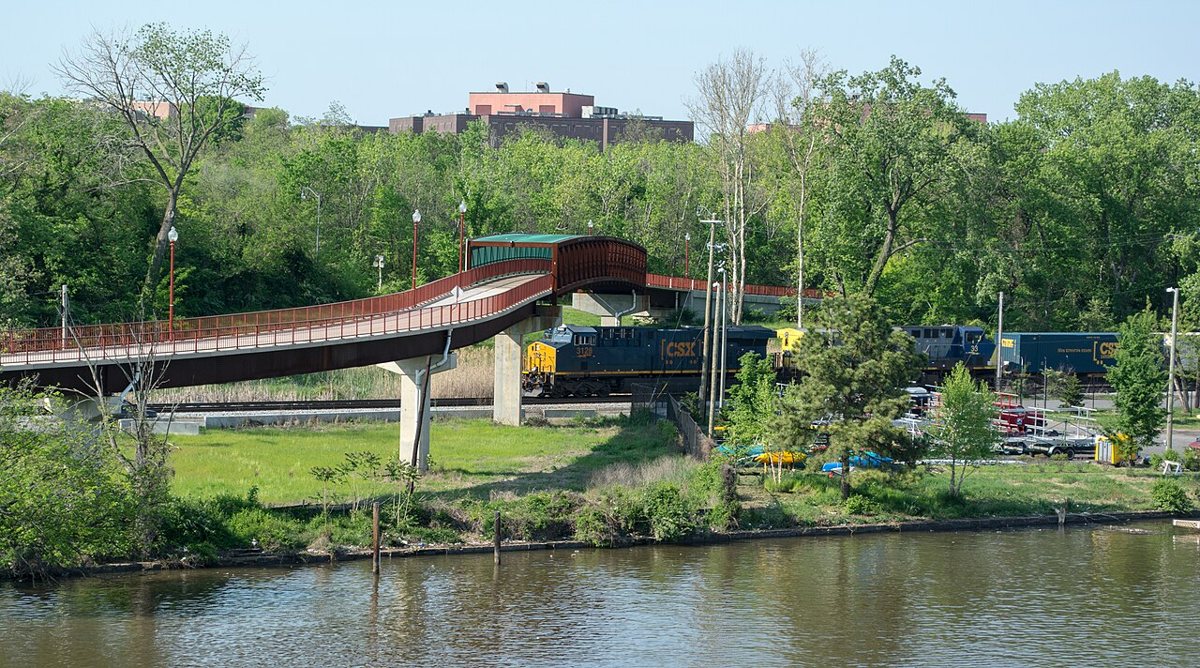
Too much coverage of DC stops at the river, which means skipping some of the city's most interesting spring programming. Anacostia Park runs along the river in Wards 7 and 8 with open lawns, a roller skating pavilion, and riverside trails that catch a breeze the rest of the city doesn't get. The Anacostia Community Museum, part of the Smithsonian but free of the Mall crowds, runs exhibitions on Black history and urban life that are consistently sharper and less crowded than their downtown counterparts. Frederick Douglass National Historic Site sits on a hill in Anacostia with a view back across the river toward the Capitol, and its grounds are a good spring walk on their own, with the added weight of standing where Douglass actually lived out his final years. The Anacostia Riverwalk Trail, connecting east and west banks, also gets its heaviest spring use from cyclists and runners.

Culture: Museums, Gardens, and the Kennedy Center's Stages
The Smithsonian's Spring Gardens
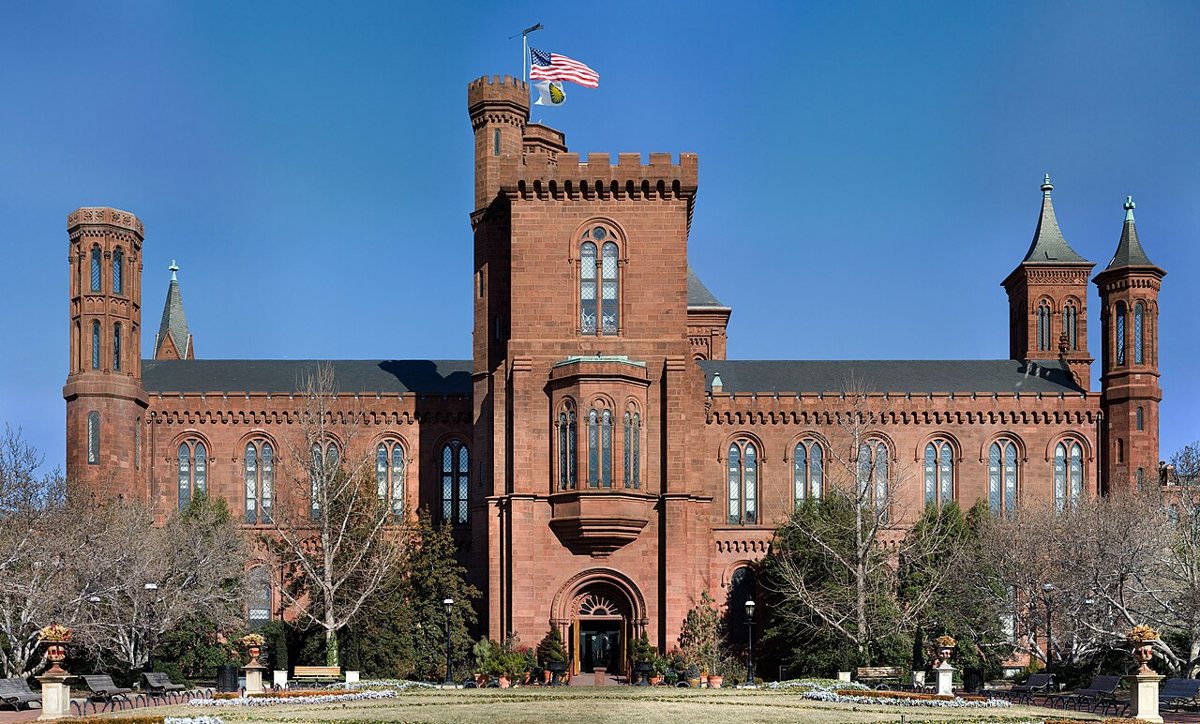
The Smithsonian museums along and near the Mall are free and open year-round, but spring is when their outdoor spaces earn a special trip. The Enid A. Haupt Garden behind the Smithsonian Castle blooms with magnolias and tulips, and the Mary Livingston Ripley Garden nearby is a smaller, quieter pocket garden worth finding. Inside, the National Gallery of Art's East Building and West Building stay excellent options for an afternoon that doesn't depend on weather, and the National Gallery's Sculpture Garden reopens its fountain for the season, becoming one of the better free outdoor hangout spots downtown once it warms up.

The Kennedy Center's Free Performances
The Kennedy Center runs a program of free daily performances on its Millennium Stage, and spring is a good season to take advantage of it, since the campus's outdoor terraces along the Potomac and the newer REACH expansion grounds are worth lingering on before or after a show. It's a useful counterweight to the idea that Washington's arts scene is stuffy. The programming leans eclectic, and admission to the building and its public spaces costs nothing.
Dumbarton Oaks and the C&O Canal
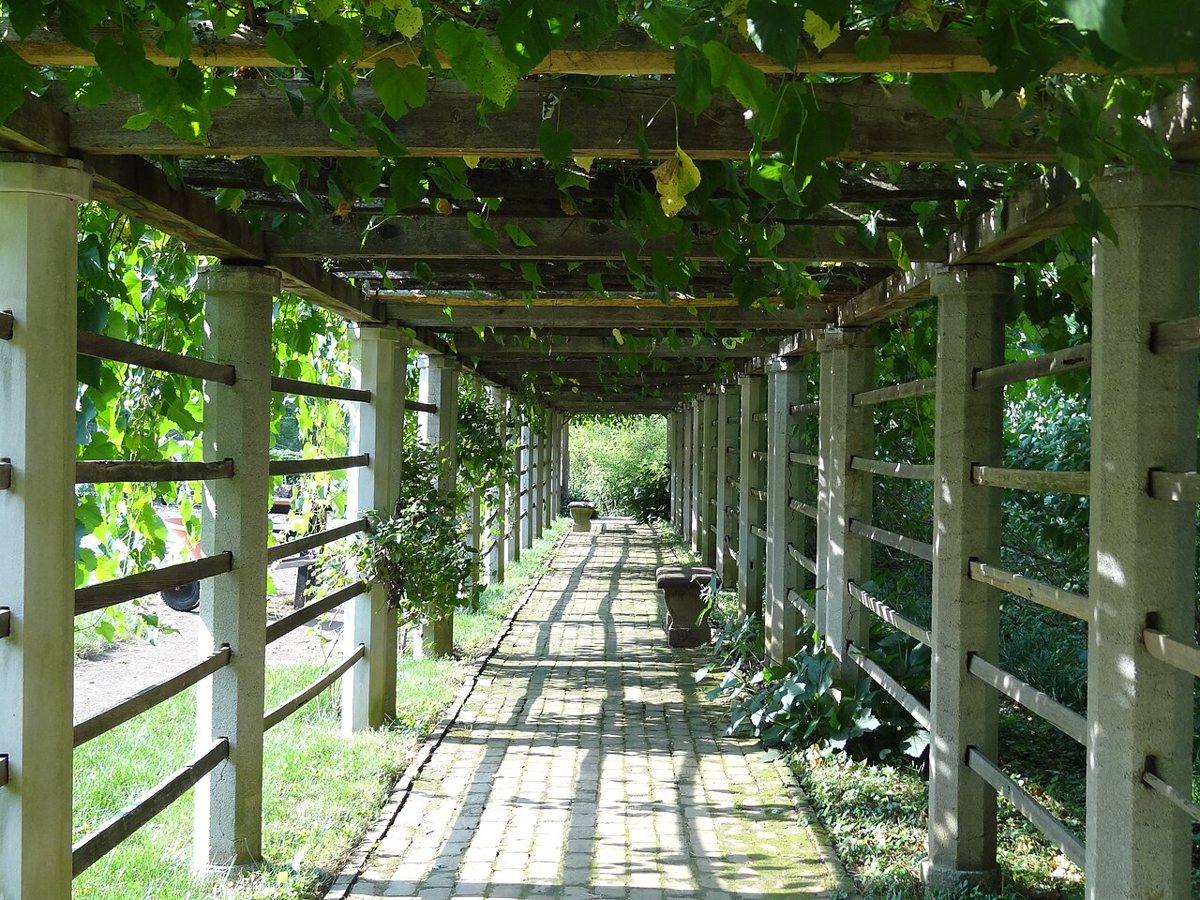
Dumbarton Oaks in Georgetown is a formal garden estate that goes all out in spring, with terraced boxwood gardens, magnolia trees, and a forsythia dell that turns bright yellow for a few weeks. It's a paid garden visit but a modest one, and far less crowded than the Tidal Basin for a comparable floral payoff. Afterward, walk down to the C&O Canal towpath, which runs along the edge of Georgetown and out past the city line. Spring is when the towpath fills back up with runners and cyclists and the canal itself, drained for winter maintenance in some years, gets refilled and reopened to the small hand-cranked boat tours that run seasonally.

The Wharf and Yards Park
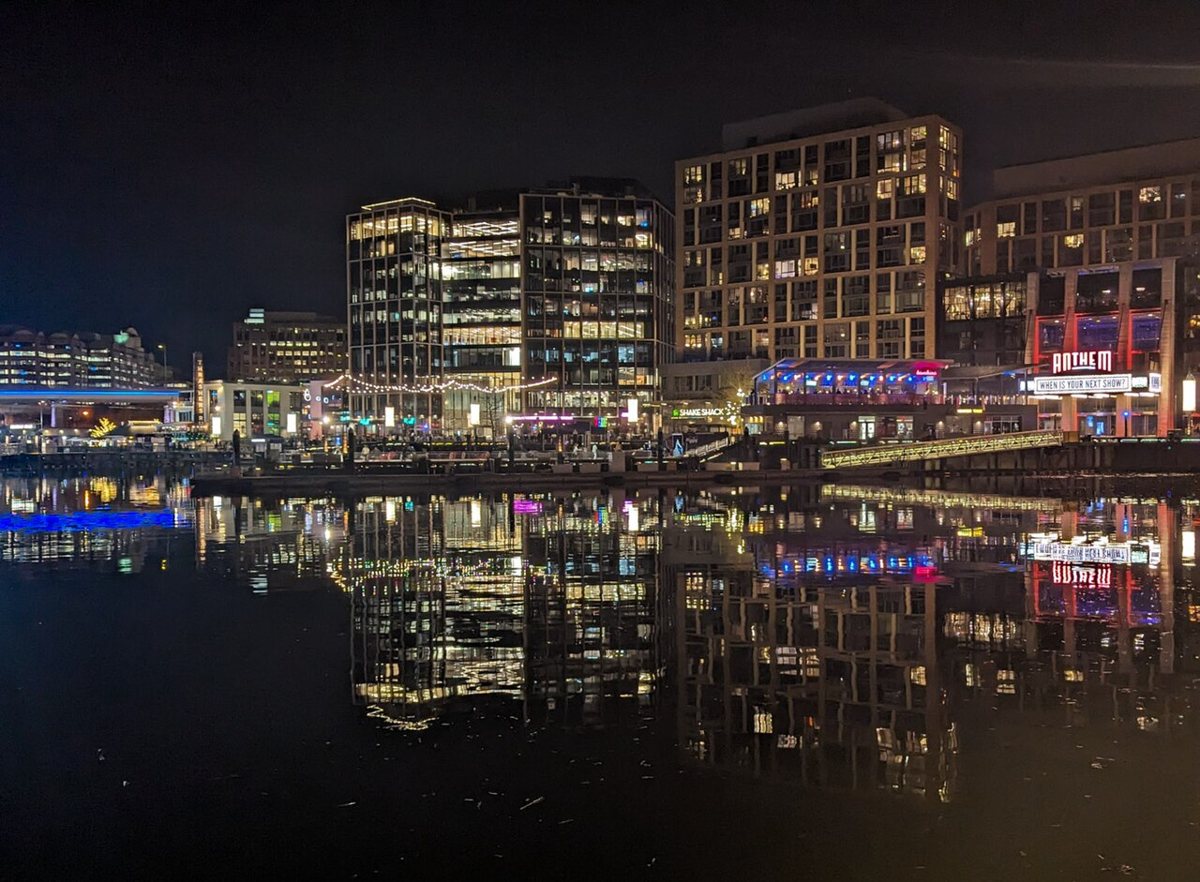
The Wharf, along the Southwest waterfront, has turned into one of the city's most active outdoor spring destinations, with restaurant patios stacked along the water, live music at the outdoor stages, and boat traffic picking back up on the Potomac. A little further east, Yards Park near Nationals Park is a smaller, more residential riverside space with a wading pool and lawn that becomes a legitimate neighborhood hangout as soon as it's warm enough, especially on game days when it fills up before first pitch.

Sports and Nightlife: The City Gets Loud Again
Nationals Park and Opening Day
Nationals Park in Navy Yard is where DC's spring energy peaks earliest and loudest. Opening day is close to a civic holiday. Half Street SE fills with a pregame crowd hours before first pitch, bars along the corridor spill onto the sidewalk, and the ballpark itself becomes the best cross-section of the city you'll find anywhere, from Hill staffers to longtime Southeast residents. Even outside opening day, a spring weeknight game at Nationals Park is one of the better-value nights out in the city, and the surrounding Yards Park and Half Street bar scene make it easy to turn one game into a full evening.

Audi Field and DC's Soccer Culture
Audi Field in Southwest hosts D.C. United, whose supporters' sections bring a drum-and-chant intensity that's a different register than a baseball crowd, and the stadium's spring schedule is a good excuse to explore the Buzzard Point and Southwest waterfront area, which is still developing but has real energy on match days.
Food: What Spring Tastes Like Here
Half-Smokes, Mumbo Sauce, and 9th Street's Ethiopian Corridor
No spring afternoon in DC is complete without eating outside, and the food that defines this city has nothing to do with monuments. A half-smoke, the city's own smoked, split sausage, usually loaded with chili and onions, is the closest thing DC has to a signature dish, and Ben's Chili Bowl on U Street remains the most famous spot to get one, though it's far from the only good option. Mumbo sauce, the sweet-tangy-spiced red sauce that shows up on carryout wings and fries across the city, is a flavor most visitors have never heard of and most residents grew up on. A proper half-smoke paired with fries doused in mumbo sauce is as close to a DC culinary rite of passage as exists. Along 9th Street NW near Shaw, the city's Ethiopian restaurant corridor is worth a spring evening on its own. Patio seating has started reopening, and injera piled with doro wat or vegetarian combinations eaten with your hands on a warm evening is a genuinely great DC meal.
Union Market and Craft Beer's Spring Patios
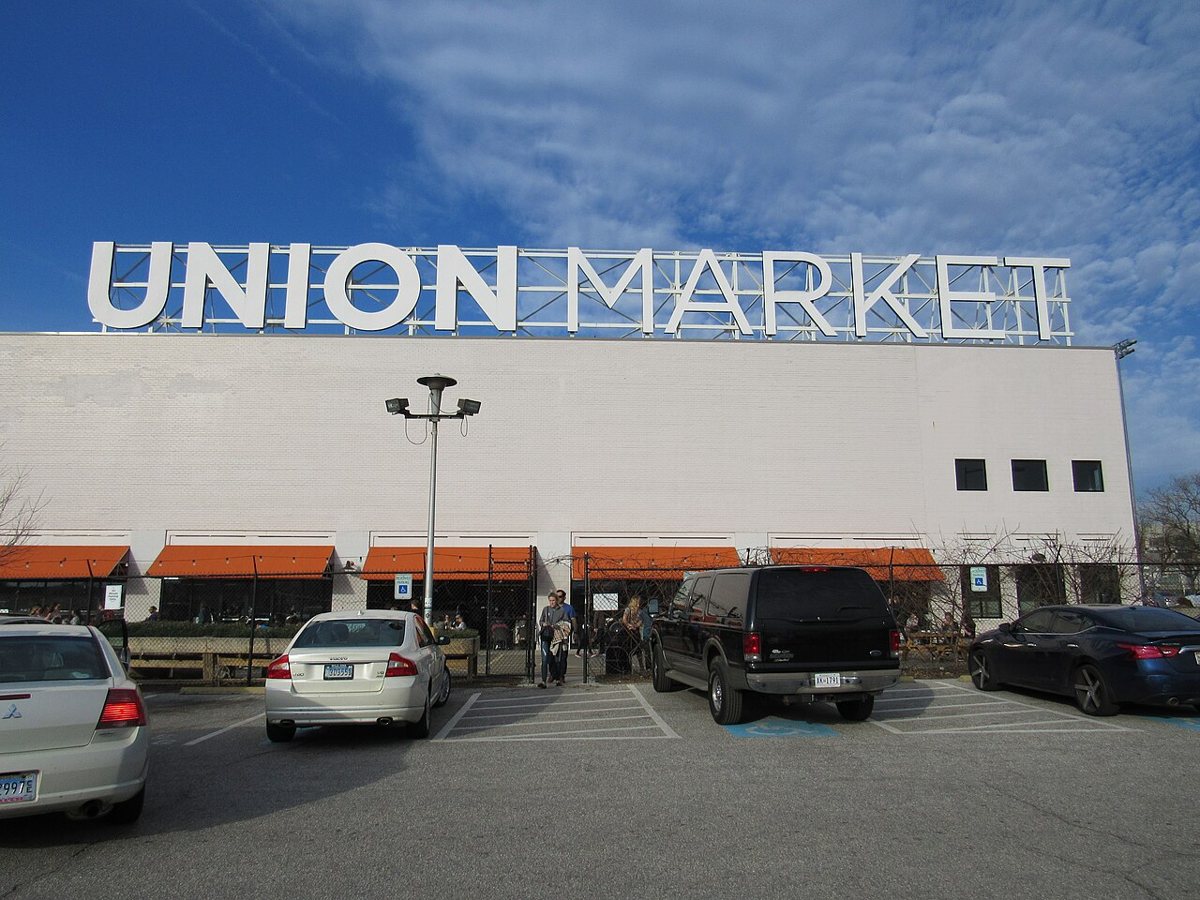
Union Market in NoMa has grown from a produce market into a broader food hall and events space, and its surrounding streets have filled in with breweries and bars whose patios are worth seeking out once the weather turns. DC's craft beer scene has real depth at this point, and spring is when its rooftop and patio spaces, scattered from H Street NE through Shaw and down into Navy Yard, actually get used the way they're designed to be.

The H Street Corridor
H Street NE has rebuilt itself over the past two decades into one of the city's densest bar and restaurant strips, anchored by the streetcar line and a mix of long-running neighborhood spots and newer restaurants. In spring, its rooftop bars and sidewalk patios fill in, and it's still one of the better places in the city to bar-hop without needing a car or a long Metro ride, since much of it is walkable end to end.
Practical Notes for Spring in DC
Spring weather here swings hard. A 70-degree afternoon can be followed by a cold, rainy week, so layers are non-negotiable through April, and an umbrella is worth keeping in a bag through May. Metro is the easiest way to reach the Tidal Basin, the Smithsonian museums, U Street, and most of downtown, though the Arboretum and parts of Rock Creek Park are easier with a car or rideshare. Capital Bikeshare gets a lot more usable once the weather warms, and DC is genuinely one of the more bikeable mid-sized cities in the country. Most of what's worth doing in spring is free: the Smithsonian museums, the Tidal Basin and Arboretum grounds, Rock Creek Park, Meridian Hill Park, Anacostia Park, and the Kennedy Center's Millennium Stage performances all cost nothing to walk into. Paid stops like Dumbarton Oaks and a Nationals or D.C. United ticket are worth budgeting for, but they're the exception rather than the rule. Check current hours before visiting anything with seasonal schedules, since they shift year to year.
The Real Spring Things to Do in Washington DC
The postcard version of spring in this city starts and ends at the Tidal Basin, and that's a real, worthwhile morning. But it's one morning out of a season that runs three months and touches every ward. The city that matters here is the one where a drum circle builds itself from nothing every Sunday at Meridian Hill, where opening day at Nationals Park functions as a genuine civic gathering, where a neighborhood built by and for Black Washingtonians a century ago is still setting the cultural tone on U Street, and where Anacostia's gardens and trails get exactly as much spring as anything downtown, just with a fraction of the crowd. Do the Tidal Basin early, then go spend the rest of the season in the neighborhoods actually living it.