Things to Do in Washington Dc: A Local's Guide
Skip the monuments for an afternoon and you'll find the city locals actually live in — go-go on the corner, Ethiopian food on 9th Street, a flea market that's been running since 1873.
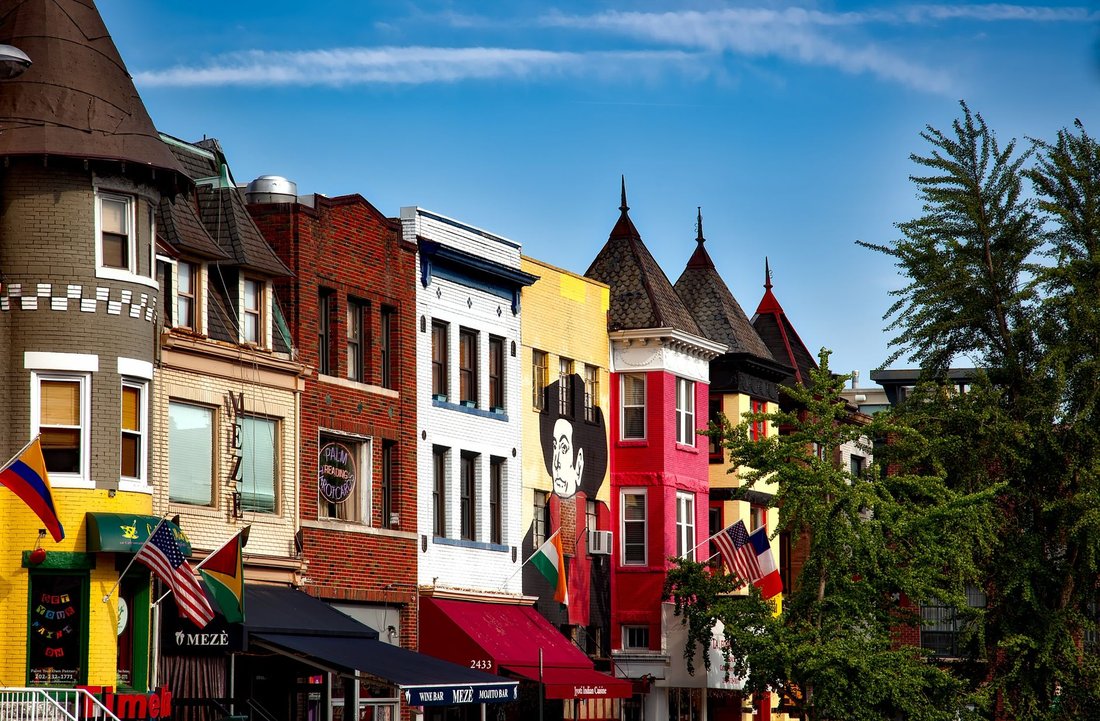
On a Saturday morning in late spring, the line outside Ben's Chili Bowl on U Street is already out the door by ten. A go-go track drifts from a speaker somewhere down the block. Across the city, Eastern Market vendors are unloading crates of strawberries, and in Anacostia, families are cutting through Frederick Douglass's old neighborhood on their way to the river. This is what things to do in washington dc actually look like when you live here, not a checklist of federal buildings, but a city of 700,000 people sorted into eight wards with strong opinions about half-smokes and a deep attachment to particular blocks. The guide below is organized around where locals spend their time.
The Best Things to Do in Washington DC, By Neighborhood
Capitol Hill and Eastern Market
Capitol Hill is one of the oldest continuously inhabited neighborhoods in the city, and Eastern Market is its anchor. The market building itself dates to 1873, it's a red-brick hall on 7th Street SE where local farmers, butchers, and fishmongers have sold produce and meat for generations. On weekends, an outdoor flea market spreads across the adjacent lots, with vendors selling vintage clothing, handmade jewelry, African textiles, and mid-century furniture. It gets crowded, which means the coffee lines are long, but the payoff is the South Hall, where you can get a Market Lunch crab cake or blueberry buckwheat pancakes at a counter that hasn't changed much in decades. The surrounding blocks of row houses, most of them painted in pale yellows and deep reds, are worth walking whether or not you buy anything. The Hill has a specific rhythm, neighbors know each other, front stoops are used for actual sitting, and the density of independent bookstores and wine bars on Barracks Row (8th Street SE) means you can spend a half-day without feeling the pull of a tourist map.

The U Street Corridor and Shaw
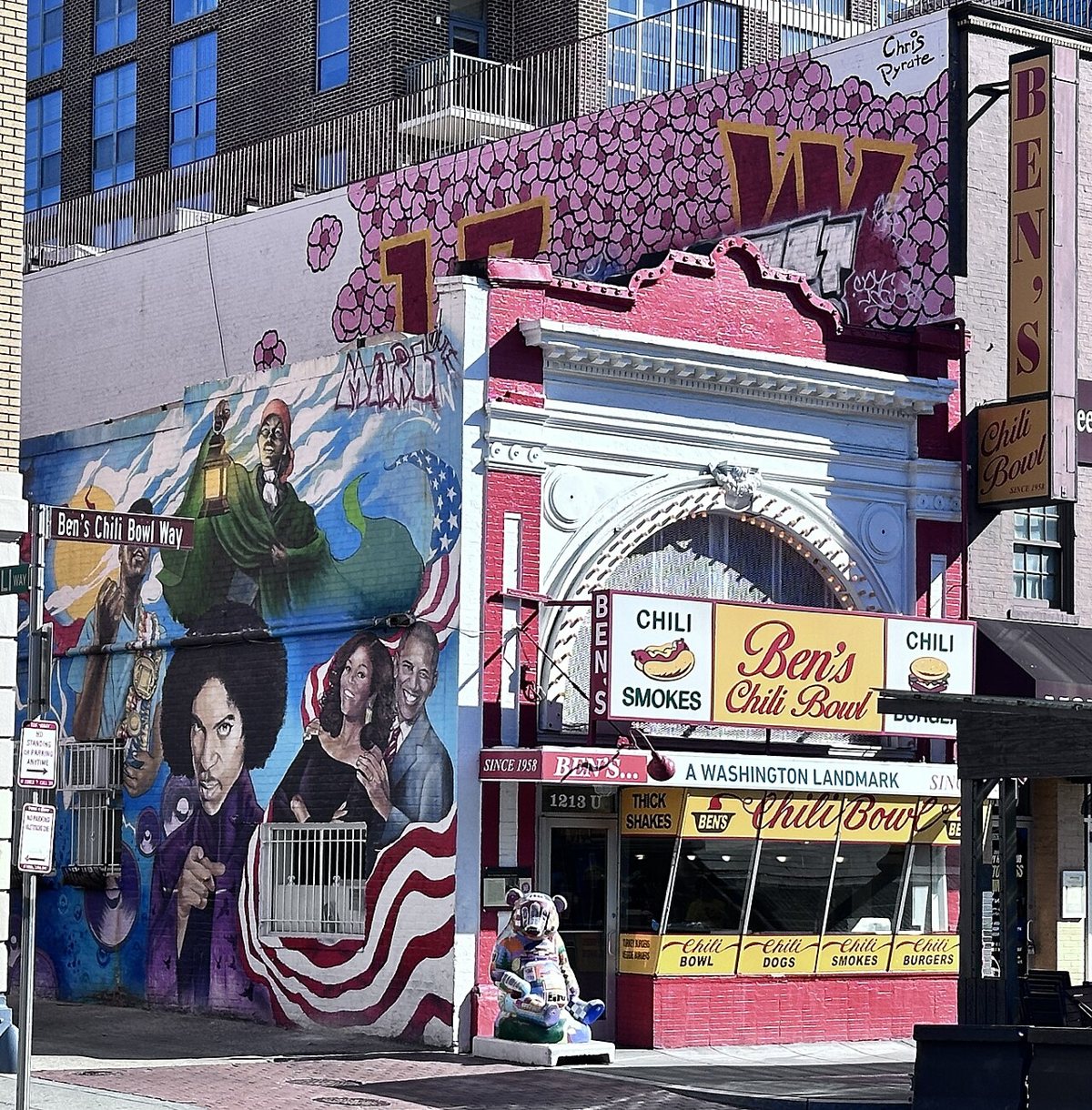
The U Street Corridor is the neighborhood most Washingtonians point to when they want to explain what the city is. This stretch of U Street NW, running through Ward 1, was once called Black Broadway, a hub of jazz clubs and theaters where Duke Ellington was born and Ella Fitzgerald performed before segregated audiences were the norm. Ben's Chili Bowl has been on this block since 1958, serving half-smokes (a DC-specific smoked sausage, spicier than a hot dog) with chili and mustard and onions. It survived riots, urban renewal, and gentrification, and it remains the most argued-about meal in the city. Order the half-smoke with chili. Don't overthink it.

Shaw, immediately east, carries a similar history. Howard University is nearby, and the 9th Street corridor is home to some of the city's best Ethiopian restaurants, clustered near the 9th and U Street area long known as Little Ethiopia, where injera arrives rolled and the lamb tibs are worth the trip on their own. Eating Ethiopian with a group is the move; order several dishes and share from a communal plate. The neighborhood gets loud on weekend nights, particularly around the Howard Theatre, which was restored and reopened and still books acts worth seeing.

Adams Morgan
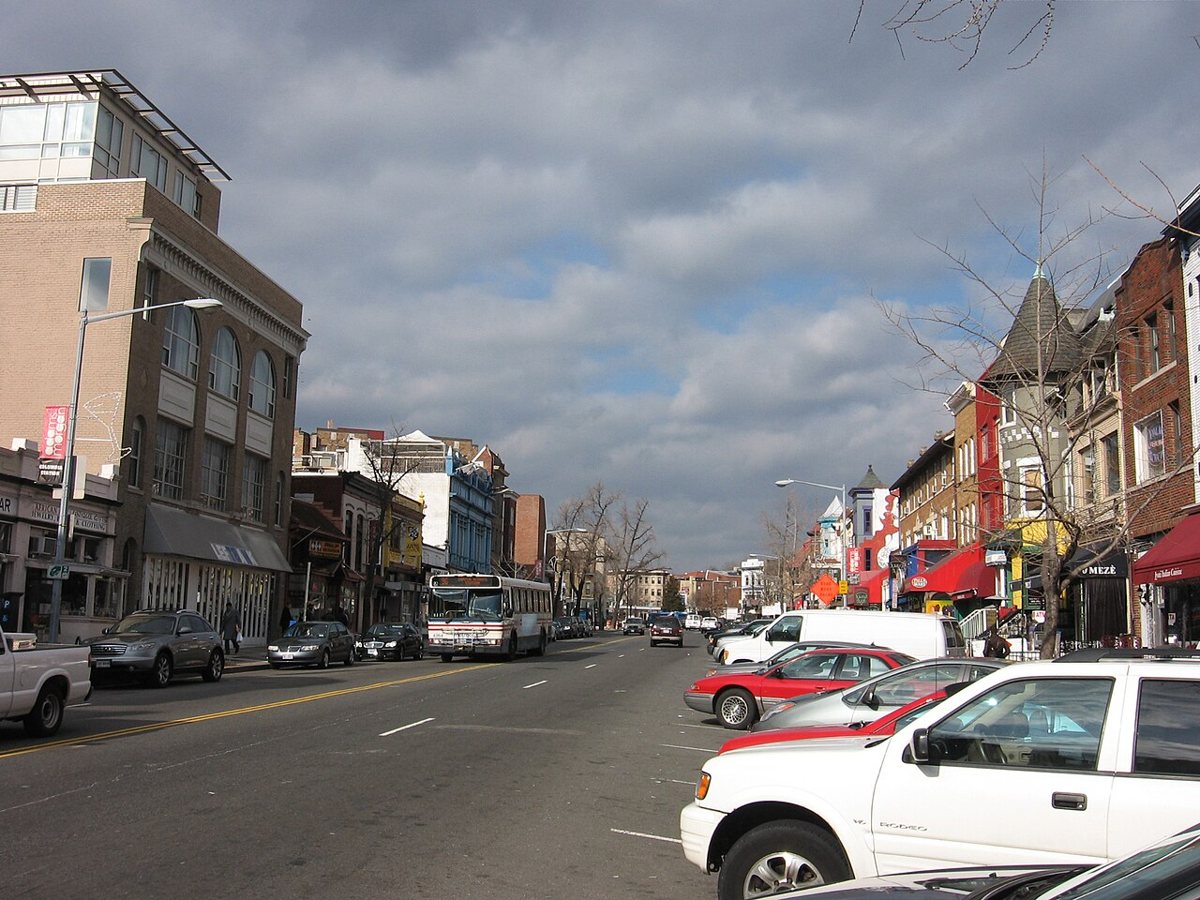
Adams Morgan has been DC's nightlife neighborhood for forty years, which means it's simultaneously where people go at midnight and where longtime residents argue about what it used to be. The stretch of 18th Street NW between Columbia Road and Kalorama Road is lined with bars, restaurants, and a few institutions that have outlasted multiple rounds of rent increases. Madam's Organ, the blues bar with the muralist facade, is the most photographed building in the neighborhood. The food skews diverse in a way that reflects the ward's demographics: Ethiopian, Salvadoran, Eritrean, and late-night pizza that's better than it has any right to be. During the day, Adams Morgan is calmer. The side streets have some of the most interesting independent retail in the city, and the Marilyn Monroe mural on the side of a condo building is, depending on your aesthetic commitments, either a neighborhood landmark or a minor eyesore. Either way, everyone in DC has an opinion on it.

The Wharf and Southwest Waterfront
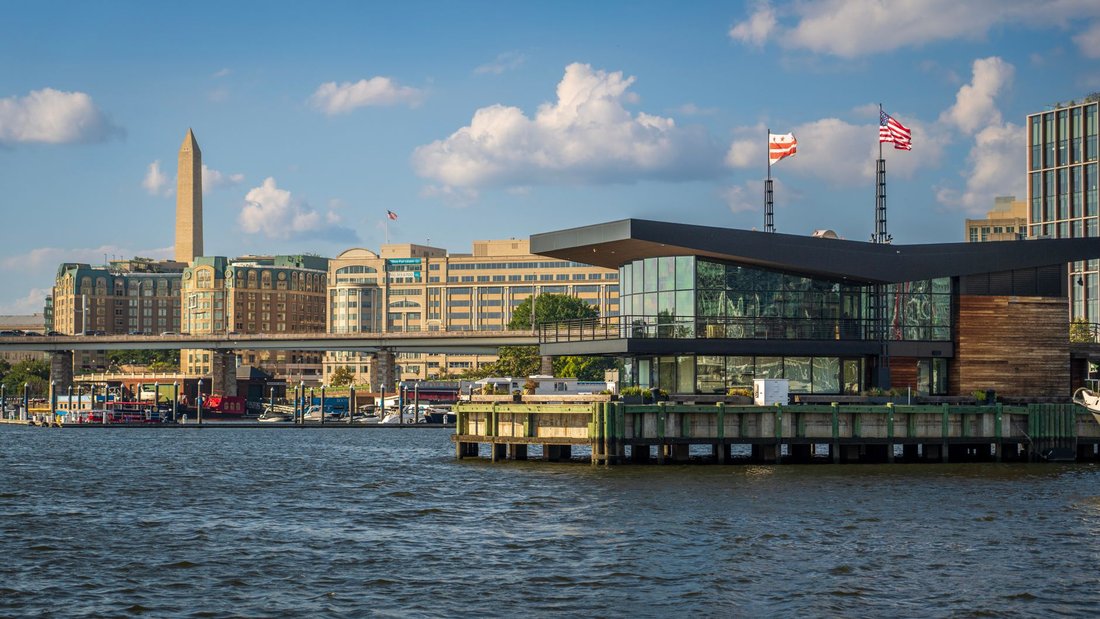
The Wharf opened in 2017 and immediately became one of the most-visited stretches in the city, a mile of waterfront along the Washington Channel with restaurants, a concert venue (The Anthem, which books national acts in a room that sounds better than it looks), marinas, and a fish market that's been operating since 1805, making it one of the oldest continuously operating fish markets in the country. The Municipal Fish Market sells Chesapeake blue crabs, shrimp, and whole fish from vendors who have held stalls for generations. Get there early; the best stuff moves fast. The waterfront itself is worth walking even when you're not buying anything, the channel views toward the Potomac are good, and in warmer months the whole stretch operates as an outdoor living room for people from across the city. It's in Ward 6, largely cut off from the rest of the city by highways for decades until the development changed the geometry. It's still finding its identity, but the fish market is the real thing.
Rock Creek Park
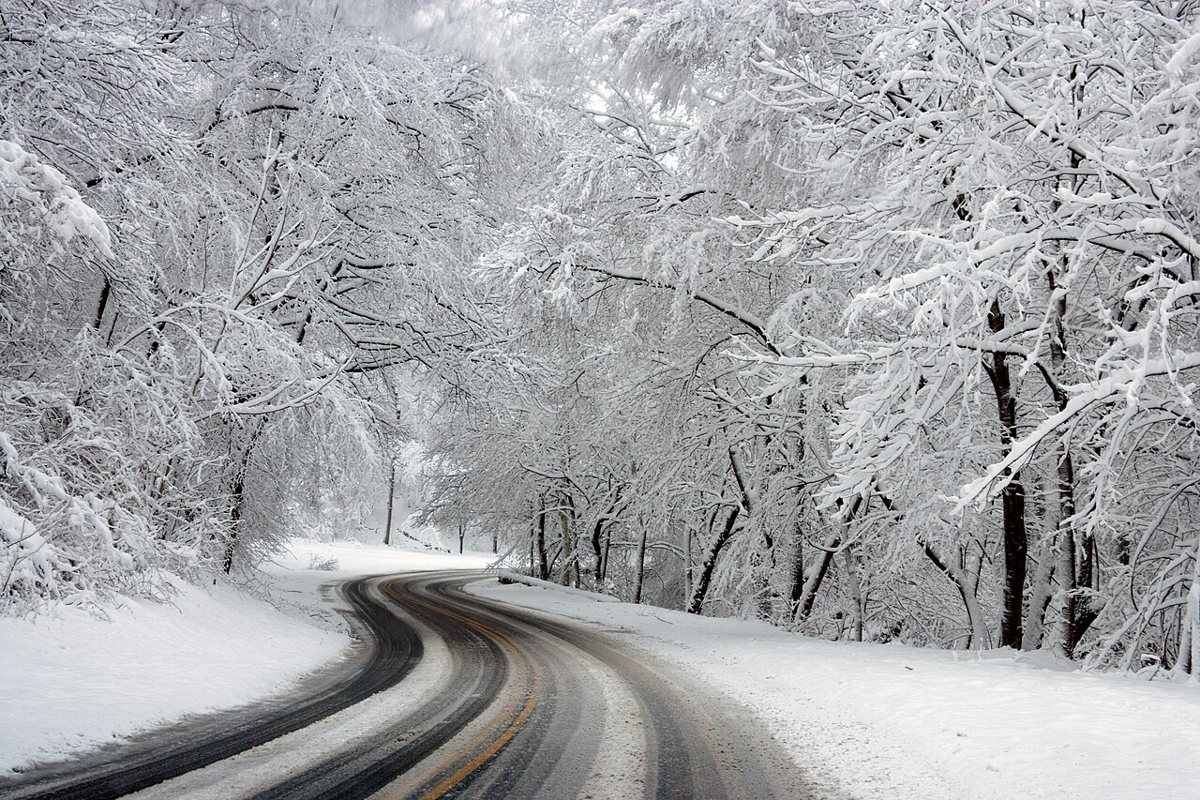
Rock Creek Park is 1,754 acres of forested parkland running north-south through the middle of the city, from the Maryland line down toward Georgetown. It's managed by the National Park Service, but locals treat it as a neighborhood park, runners, cyclists, and dog walkers use the trails daily, and on weekends, a stretch of Beach Drive is closed to cars and taken over by cyclists and skaters. The park contains a nature center, a Civil War fort (Fort DeRussy), several picnic groves, and a horse center that has operated since the 1930s. The trails are not heavily marked, which means you can get genuinely lost, which is a thing people in DC actually want sometimes. The park buffers several wards from each other, and different neighborhoods have different relationships to it, Petworth residents access it from the east, Cleveland Park from the west, and the access points have different characters. The Rock Creek Park Tennis Center has public courts, and an amphitheatre sits in the park's northern reaches. In fall, when the canopy turns, the ravine sections feel like they belong to a different city entirely.

Georgetown
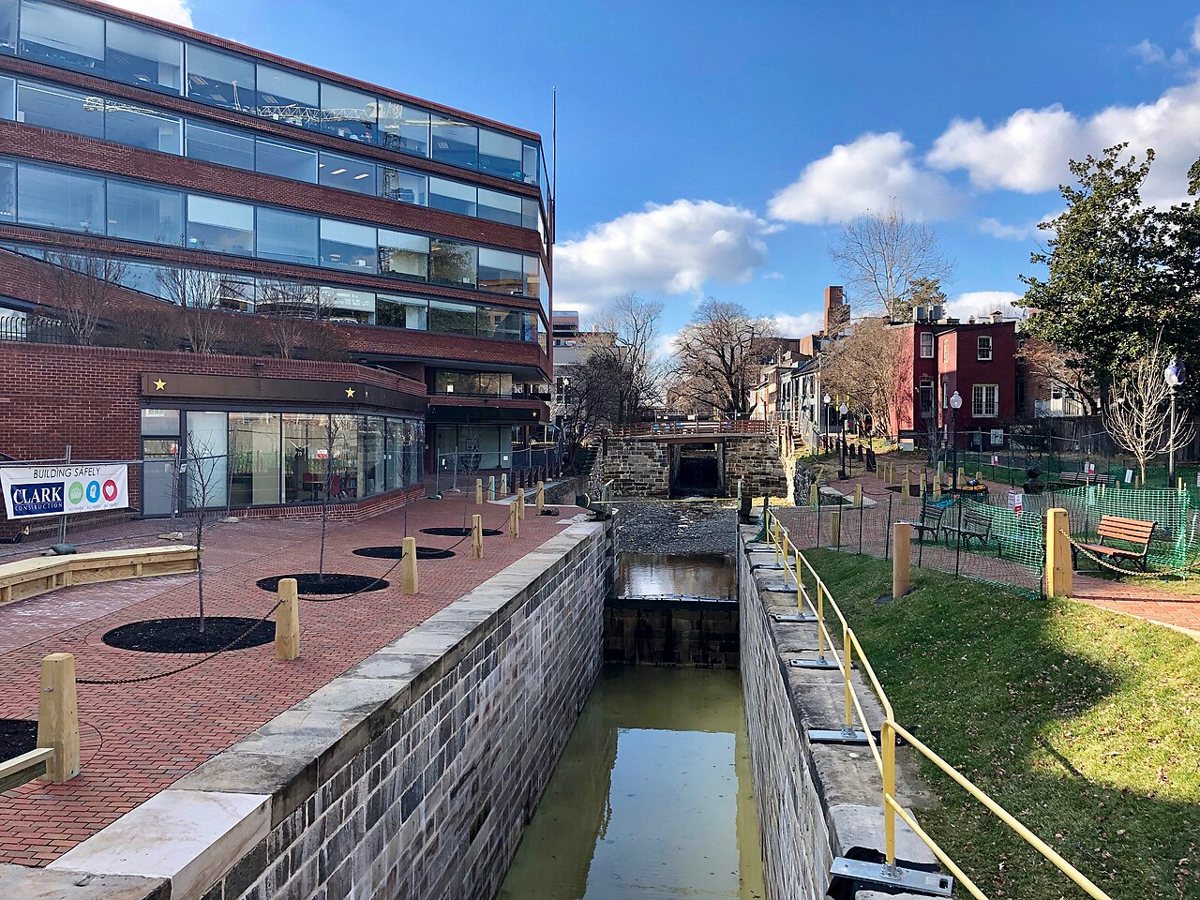
Georgetown is old-money DC, federal-period row houses on brick sidewalks, a main commercial strip on M Street and Wisconsin Avenue that draws tourists and college students in roughly equal measure, and a waterfront that looks across to Rosslyn. It's in Ward 2 and exists in a slightly parallel universe from the rest of DC; it's the only major neighborhood not served by Metro, which keeps it a little car-dependent and, depending on your perspective, either charmingly isolated or deliberately exclusionary. The Georgetown Waterfront Park is worth the walk, it's a green space along the Potomac where locals run and sit and watch the rowers go by. The C&O Canal towpath, which starts in Georgetown, runs 184 miles to Cumberland, Maryland, and is one of the better urban cycling and walking routes on the East Coast. For a few miles in either direction from Georgetown, the towpath is flat, shaded, and populated by locals moving at reasonable speeds. The shopping on M Street is largely chains at this point, but a few independent shops survive, and the bookstore situation is better than most neighborhoods its size.

Columbia Heights and Petworth
Columbia Heights is the densest neighborhood in the city and one of the most Latino, 14th Street NW is lined with taquerias, Salvadoran pupuserias, and Latin grocery stores alongside the newer coffee shops and bars that followed gentrification up from U Street. The commercial corridor around the Columbia Heights Metro station has a Target and a Giant, which makes it a neighborhood hub in a practical sense, but the side streets tell a more interesting story: tight row houses, front gardens maintained by people who have lived on the block for decades, and murals that document the neighborhood's Central American roots. Petworth, immediately north, is quieter and increasingly expensive, but Georgia Avenue still has the barbershops, Caribbean restaurants, and Nigerian spots that have been there since before the brunch places arrived. Ward 4 politics run through both neighborhoods, and the debates about who the city is building for are as visible here as anywhere in DC.
Anacostia and East of the River
Wards 7 and 8, east of the Anacostia River, are home to roughly a third of the city's residents and receive a fraction of the attention in most DC coverage. Anacostia proper is one of the oldest African American neighborhoods in DC, and the Frederick Douglass National Historic Site, Cedar Hill, where Douglass lived from 1877 until his death in 1895, is one of the most significant historic sites in the city by any measure. The house sits on a hill with views of the Capitol dome, and the National Park Service manages it with tours that don't sanitize the complexity of Douglass's life. The Anacostia Community Museum, a Smithsonian institution, sits nearby and focuses on the history and culture of communities that national museums often skip. The riverside trails along the Anacostia waterfront have improved significantly in the last decade. The Yards Park, on the eastern edge of the Navy Yard neighborhood near Nationals Park, is a well-maintained green space along the Anacostia River. Going east of the river is the single most clarifying thing a non-DC person can do to understand the city, the resources are not equally distributed, the politics are different, and the communities have their own institutions and rhythms that don't get enough coverage in the standard DC guide.

The Smithsonian Museums and the National Gallery
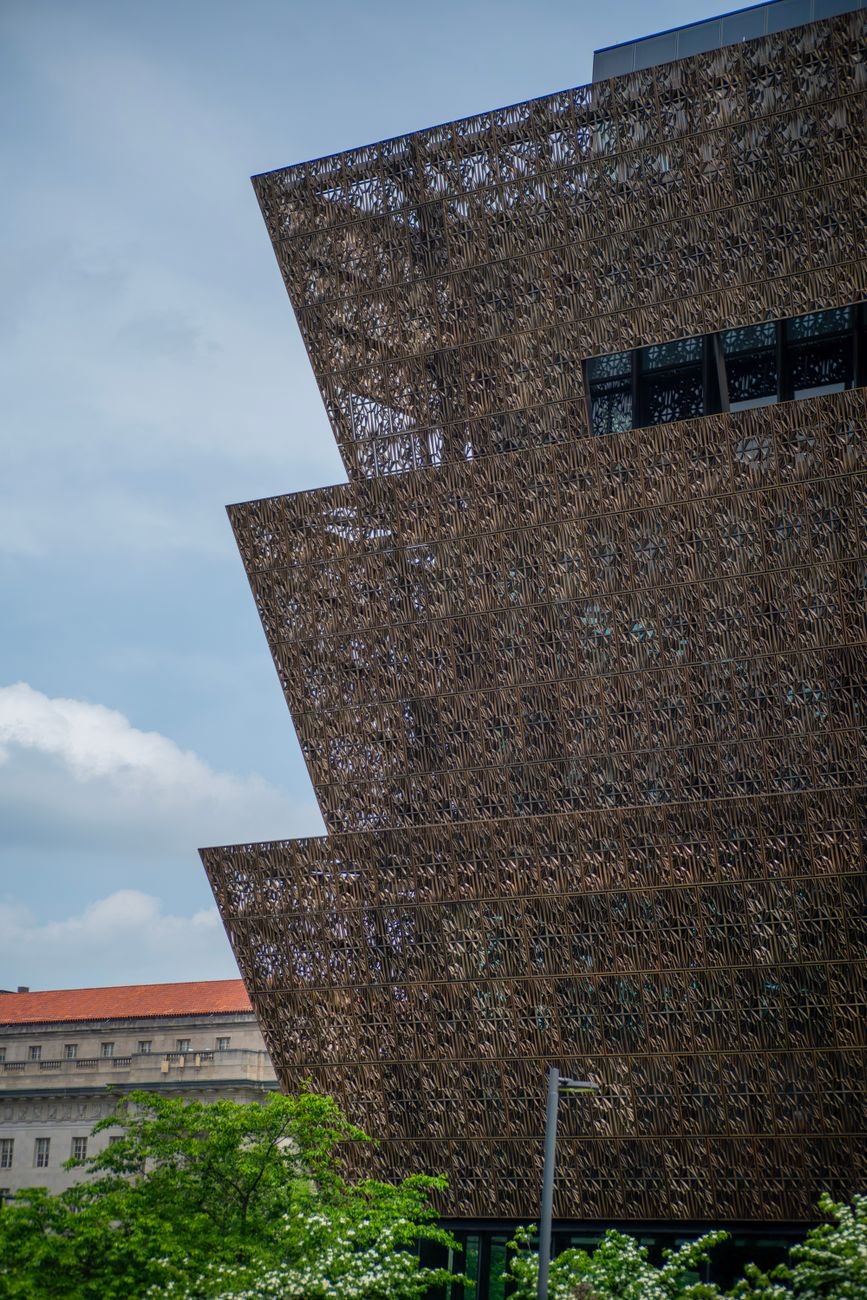
The Smithsonian Institution operates a network of museums in DC, and almost all of them are free. That fact alone makes Washington different from nearly every other major city, and it's not incidental, it's a deliberate policy that means families from across the income spectrum show up on the same day to look at the same things. The National Museum of African American History and Culture, which opened on the Mall in 2016, is the most significant new museum to open in the city in a generation. It requires timed-entry passes, which fill up fast, but the building alone, designed by David Adjaye with a bronze lattice facade drawn from Yoruba architectural tradition, is worth seeing from the outside. Inside, the lower floors cover slavery and the Civil War era with an unflinching accumulation of objects; the upper floors track Black cultural contributions to American life, including an extensive section on go-go music, which was designated the official music of Washington DC in 2020.
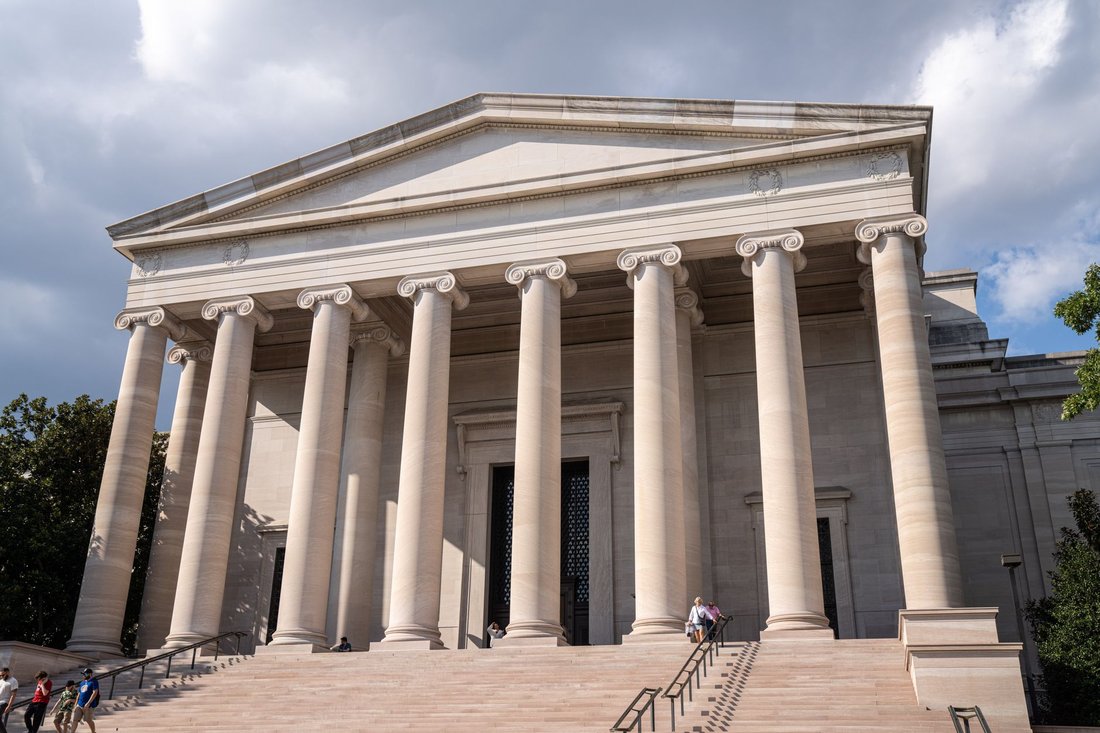
The National Air and Space Museum is the most-visited museum in the country, which on any given Tuesday means crowds, but the collection is genuinely extraordinary: the Wright Flyer, the Apollo 11 command module, Amelia Earhart's Lockheed Vega. Go early or late in the day. The National Museum of Natural History has the Hope Diamond and a dinosaur hall that was recently renovated and is better than its reputation. The National Gallery of Art, which is technically not part of the Smithsonian but is free and worth treating as a companion institution, occupies two buildings on the Mall: the West Building has the permanent collection, including the only Leonardo da Vinci painting in the Americas, and the East Building has the modern and contemporary collection in an I.M. Pei building that is itself worth seeing. The National Gallery's collection spans centuries and is deep enough that repeat visits reward different interests.
Live Music and the H Street Corridor
The H Street Corridor, running through Ward 6 northeast of the Capitol, went through a decade of rapid change and has settled into something that functions as the city's indie music and bar neighborhood. The Atlas Performing Arts Center anchors the eastern end; smaller clubs along the strip book local and touring acts in a format where the crowd is close to the stage and the sound is loud. The streetcar, which runs along H Street, is free to ride and connects the corridor to Union Station. The neighborhood has a specific energy on weekend nights (younger, louder, more chaotic than Shaw or U Street), and the food options have diversified significantly, with Ethiopian, Vietnamese, and Salvadoran spots mixed among the cocktail bars. DC's live music scene is anchored as much by these mid-size independent venues as by the arena shows across the city.
Nationals Park, Audi Field, and Watching Sports Like a Local
Nationals Park, home of the Washington Nationals, sits on the Anacostia waterfront in Ward 6 and is one of the better ballparks built in the last twenty years, good sightlines, good food options that have improved with each renovation cycle, and views of the Navy Yard neighborhood that tell you something about how fast DC changes. Audi Field, home of D.C. United and the Washington Spirit, is a few blocks west, a tight soccer stadium where the supporter sections are loud and the atmosphere is closer to European football than American stadium norms. Going to a game at either venue on a weeknight is one of the more affordable things you can do in DC, and both stadiums are a short walk from the Navy Yard-Ballpark Metro station.
Practical Notes for Getting Around
- The Metro (WMATA) covers most of the places in this guide. The Red, Green, and Yellow lines hit the neighborhoods most visitors want to reach. SmarTrip cards work across bus and rail and are sold at any station.
- East of the river requires more planning, the Green Line serves Anacostia station directly, but some neighborhoods require bus connections or a short ride-share trip from the station.
- Weekend parking in Georgetown and Adams Morgan is difficult by design. Take the bus or use a bike-share (Capital Bikeshare has stations throughout the city).
- Most Smithsonian museums are free, every day. The National Gallery of Art is free. Rock Creek Park is free. The C&O Canal towpath is free. Budget-conscious visitors can spend several days here without paying admission anywhere.
- The Metro closes around midnight on weekdays and runs a little later on weekends. After midnight, buses run infrequently and ride-shares are the practical option.
- Go-go music is the official music of DC. If you hear live percussion coming from a park or a corner, follow the sound.
A Final Word
Washington DC is a city that gets reduced, constantly, to its federal function, the buildings, the marble, the political drama. People who live here build their lives around Eastern Market on Saturday mornings, around the Anacostia waterfront, around a half-smoke at Ben's, around the particular joy of a go-go band setting up in Malcolm X Park on a summer afternoon. The monuments are real and some of them are worth your time. But the city is eight wards of people who have opinions about their neighborhoods and their schools and their council members, and the version of DC that's worth spending time in is the one they actually inhabit.