Best Food Halls in Washington Dc Worth the Trip
DC's food halls work when they're built for a city that mixes three cuisines in one sitting, not when they're just retail filler under new apartments.
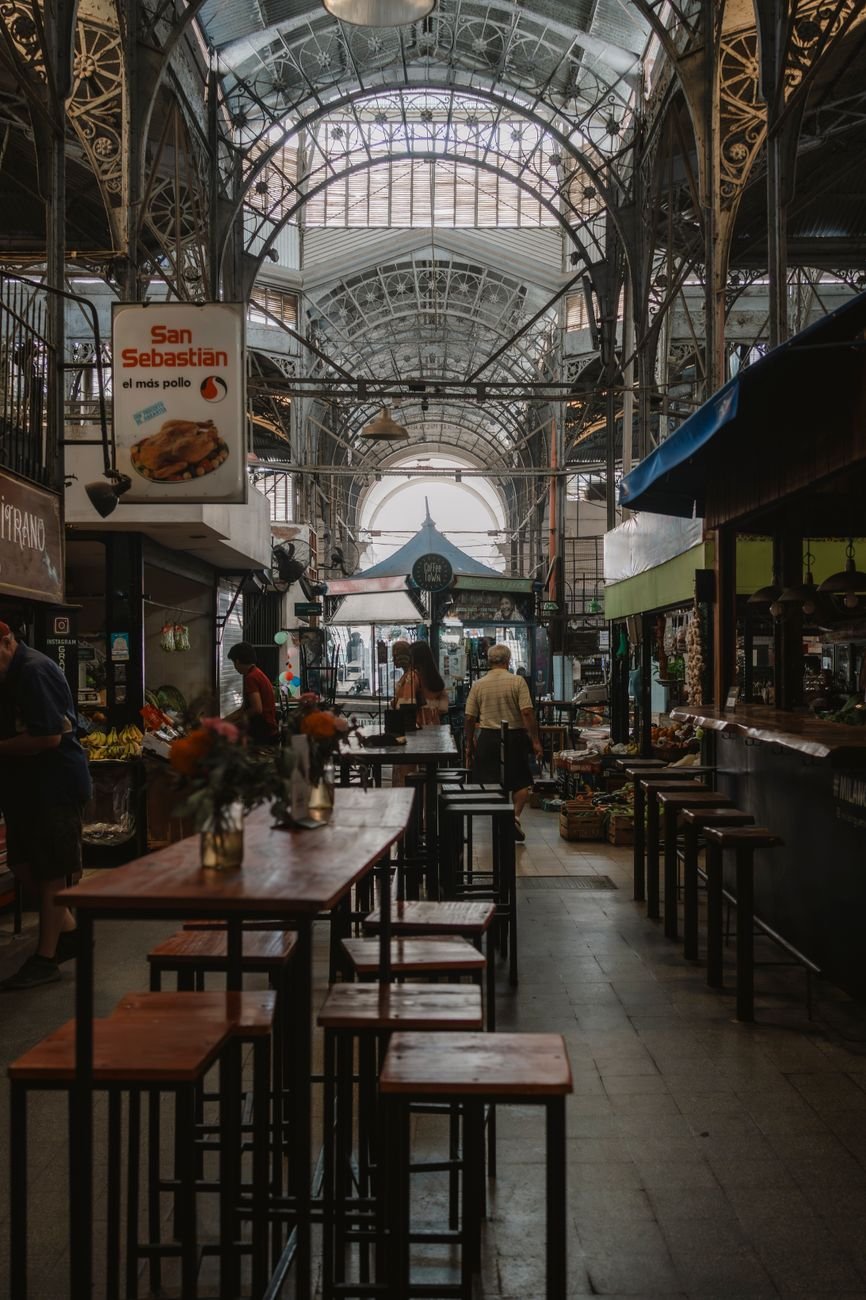
On a Saturday morning outside Union Market, the coffee line wraps past the flower stand before the doors even open. Inside, the crowd splits in every direction at once, toward dumplings, oysters, a kid dragging his parents to the ice cream case, and nobody sits alone at a folding table pretending to enjoy a food court. That's the real case for the best food halls in Washington DC: they work because this city eats across three or four cuisines in a single meal, not because a developer needed to activate ground-floor retail. A good hall reads like a neighborhood's appetite compressed into one room. A bad one reads like a mall.
The distinction matters more here than in most cities, because DC has been building food halls at a pace that outstrips the number of concepts worth putting in them. Some stalls are genuinely run by cooks who've paid dues in DC kitchens for a decade. Others are franchise operations dressed up to look local. Knowing which is which is most of the job.
What Actually Makes the Best Food Halls in Washington DC Worth a Special Trip
Skip the halls anchored by one big-name restaurant group testing a food-court format and one juice bar filling out the roster. The ones worth crossing town for cluster several independent kitchens that couldn't otherwise afford Georgetown or H Street rent, and they let you taste four cultures without four separate checks. That's the model Union Market popularized in NoMa, and it's the reason the neighborhood built an identity around a building that started as a wholesale produce terminal.
Union Market
Union Market is still the reference point, not because it's flashy but because it's dense with vendors who built reputations there before expanding elsewhere in the city. It functions less like a single business and more like an incubator with a shared roof, a place to try a concept before it earns a standalone storefront. Go on a weekday morning if you want to actually sit down; weekends draw crowds from well outside NoMa.
La Cosecha
A short walk from Union Market, La Cosecha organizes an entire hall around Latin American food and goods, stall by stall, country by country, rather than mixing everything into one undifferentiated menu. It's the rare hall built around a specific culinary through-line instead of a grab bag of trending cuisines, and it reads more like a market than a court because that's genuinely what it's modeled on.
Western Market and the Georgetown Question
Western Market brought the food hall format to a part of town that had mostly resisted it, tucked into the GW campus corridor near Georgetown. It's a useful stop if you're already in the neighborhood for the waterfront or the shops on M Street, less essential as a destination on its own. Georgetown's food scene has always leaned toward standalone restaurants and cafes rather than shared halls, and Western Market hasn't fully changed that pattern.
Smaller Halls Worth Knowing
Newer, smaller entries like The Roost and Tastemakers have tried to replicate the Union Market formula on a tighter footprint, pairing a handful of chef-driven stalls with a bar program built for people staying two hours instead of twenty minutes. They're worth checking if one happens to be near where you already are, though neither has built the vendor depth that makes Union Market a destination unto itself. Check current hours before you go, since hall operators shuffle vendors more often than a standalone restaurant would.
The Geography Nobody Talks About
Here's what the food hall boom hasn't done: it hasn't crossed the river. Every hall worth naming sits in Northwest or the newer development corridors near the Anacostia waterfront, while wards 7 and 8 have been left out of a format that's supposedly about elevating small, independent food businesses. That's not a minor omission. The best food in Anacostia and along Good Hope Road has always come from carry-outs and standalone kitchens that never got the investment a hall requires, and treating food halls as the full picture of DC dining erases that. If you actually want the range of what this city eats, you have to leave the hall model behind entirely and go find it. The Ethiopian strip along 9th Street is a five-minute walk from more than one of these buildings and it will teach you more about DC's food culture than any single stall will.
- Go on a weekday if you want to sit and actually taste things instead of circling for a table.
- Treat a food hall as one stop on a longer route, not the whole itinerary. Pair it with a walk through the surrounding blocks before or after.
- Ask a vendor how long they've been at that stall. The ones who've stayed years are usually the ones worth the trip back.
The food halls that matter aren't the ones with the best branding. They're the ones where a cook who couldn't otherwise afford the rent gets a shot at a real audience, and where you can taste that in what lands on the tray. Go for that reason, not because a hall happens to be new.