Best Italian in Georgetown You'll Actually Love
Georgetown has always had money and ambition — the trick is finding Italian that earns both.
The cobblestones on N Street have a way of separating the committed diner from the tourist who wandered off M Street looking for a bathroom. Commit, and Georgetown rewards you. The neighborhood sits on a different planet from most of DC, with old money, embassy row adjacency, and a waterfront that got its act together, and its Italian restaurant scene reflects that particular character: polished in places, occasionally pretentious, but capable, when you find the right room, of a genuinely good meal.
Finding the best Italian in Georgetown requires a little local literacy. This is not Adams Morgan, where a place can open on a shoestring and build a following on word-of-mouth. Rents here are brutal. Turnover is real. The dining rooms here tend to skew toward the expense-account crowd and the Georgetown University parent weekend circuit, which means some spots have learned to coast on atmosphere and a long wine list. The food can follow. Your job as the diner is to know what to look for.
What Actually Makes the Best Italian in Georgetown Worth the Trip
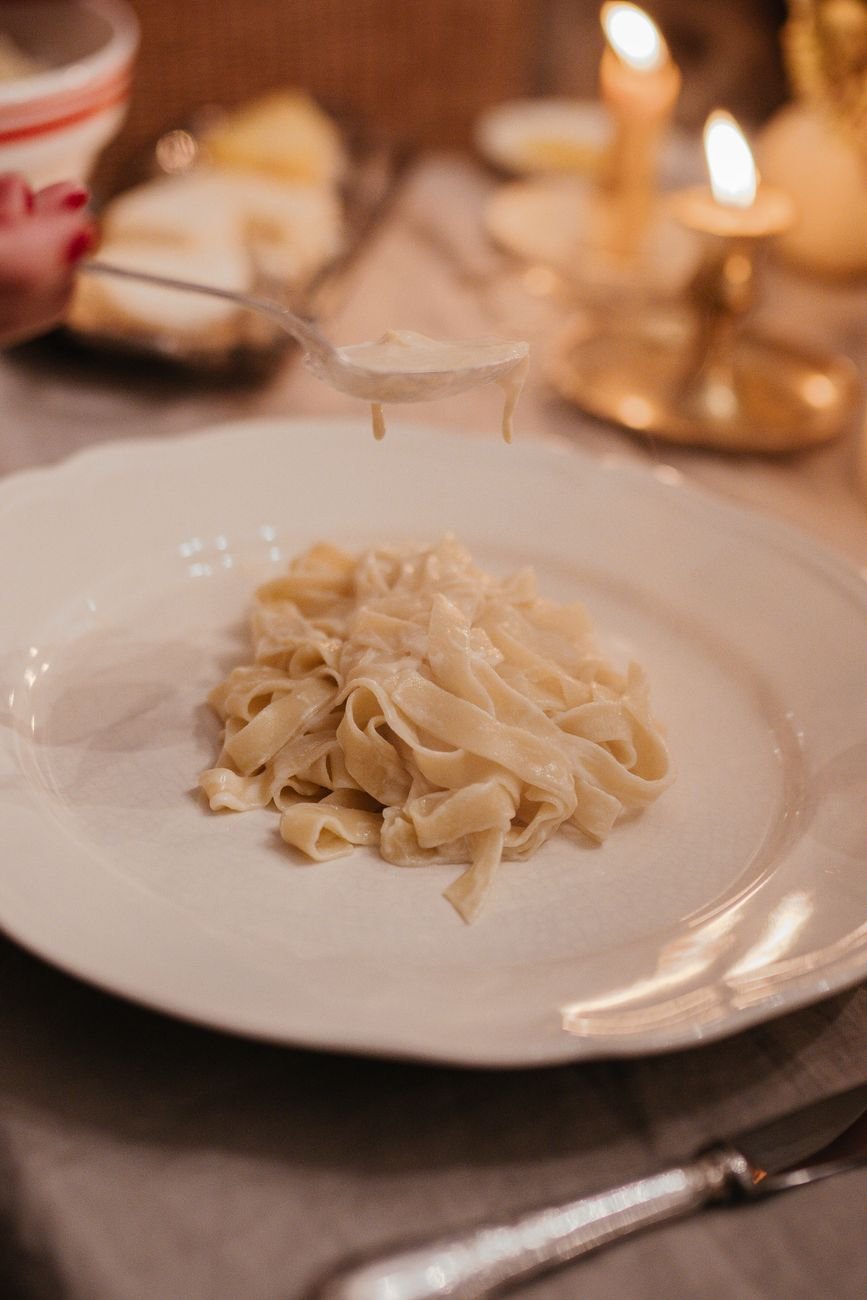
Start with pasta. In a city that has seen a genuine Italian dining upgrade over the past decade, the baseline expectation has risen. Fresh pasta, made in-house, should feel like a point of pride, not a marketing bullet point. If a menu makes a lot of noise about imported ingredients but says nothing about the pasta program, that is worth noting. Similarly, a short menu that rotates seasonally usually signals a kitchen that is paying attention. A menu that runs three pages and includes both a chicken piccata and a seafood tower probably does not.
The neighborhood's proximity to the Potomac waterfront means you will find fish and shellfish well represented on Italian menus here. That is not a bad thing. The Wharf has raised the overall standard of seafood cooking in this part of the city, and a well-sourced branzino or a proper cioppino-style preparation can be exceptional. The trap is when waterfront-adjacent positioning substitutes for actual sourcing discipline. Ask your server what the fish is and where it is from. A kitchen that knows will tell you without hesitation.
The wine program matters more in Georgetown than in almost any other DC neighborhood, partly because the clientele expects it and partly because a good Italian list is one of the more honest signals of kitchen seriousness. Natural Italian wines like Friulian whites, Sicilian reds, and a well-chosen Vermentino suggest someone is paying attention to the whole picture. A list that leads with the same four Tuscan labels you could find at any hotel bar is less encouraging.
How to Read the Room Before You Sit Down
Walk past the hostess stand for a second and look at what is actually on the tables. Are people eating bread that looks like it was made that day, or the kind of pre-sliced loaf that has been sitting since the lunch service? Is the pasta dish in front of the couple by the window glossy with good fat and sauce that coats the noodle, or is it dry and piled? These are not subtle distinctions. They are visible from ten feet away, and they tell you more than any review written six months ago.
Dining rooms here also tend to be loud, especially on Wisconsin Avenue and along the M Street corridor. If you are planning a dinner where conversation matters — and Italian food, which is a food designed to be eaten slowly over two hours, generally calls for that. Look for the side streets, the smaller rooms, the places that are not trying to turn tables at the same pace as a brunch spot during a weekend rush. The neighborhood has a few of those quieter Georgetown Italian rooms, and they are worth the extra five minutes of walking.
The Waterfront Factor
The waterfront has changed the calculus of dining in this neighborhood in ways that are still working themselves out. A decade ago, the Potomac-facing options were thin. Now there is real competition, and some Italian spots have responded by doubling down on what a room above the water can offer: a certain kind of light in the evening, a view that makes a second glass of wine feel reasonable, a pace that slows down naturally. When the setting is working in your favor, a good risotto tastes better. That is just honest.
What to order when the room earns your trust: lead with something cured or pickled from the antipasto selection, skip the salad entirely, and spend your appetite on pasta before anything else. Georgetown Italian menus often feature a secondi that will make you feel obligated to order it, the whole fish, the osso buco, and those dishes are sometimes excellent. But the kitchen's soul is almost always in the pasta course, and that is where you should place your bet.
Choosing Well in a Neighborhood That Punishes Laziness
This is not a neighborhood that forgives a bad meal easily. The prices ensure that. A mediocre dinner here costs what a genuinely excellent dinner costs in Petworth, or what you would spend at the city's best Italian restaurants elsewhere, and that gap in value is something worth holding in your head before you commit to a reservation.
The practical advice: read recent reviews, not cumulative ratings. Look for mentions of specific dishes, not just general impressions of the vibe. A review that tells you the cacio e pepe was properly seasoned and the negroni was not watered down is worth ten reviews that call the place "cozy and romantic." Call ahead and ask whether the pasta is made in-house. Any kitchen worth eating at will answer that question without making you feel strange for asking.
Georgetown Italian, at its best, gives you something the neighborhood has always been able to offer when it stops performing and starts cooking: a real meal in a city where real meals are not as easy to find as the restaurant count suggests. The cobblestones are still there when you walk out. The Potomac is three blocks away. That part, at least, never disappoints.