Best Italian Restaurants in Georgetown Worth the Trip
Georgetown's Italian restaurants run from serious regional kitchens to tourist-facing schmaltz; here's how to tell the difference and where to eat well.
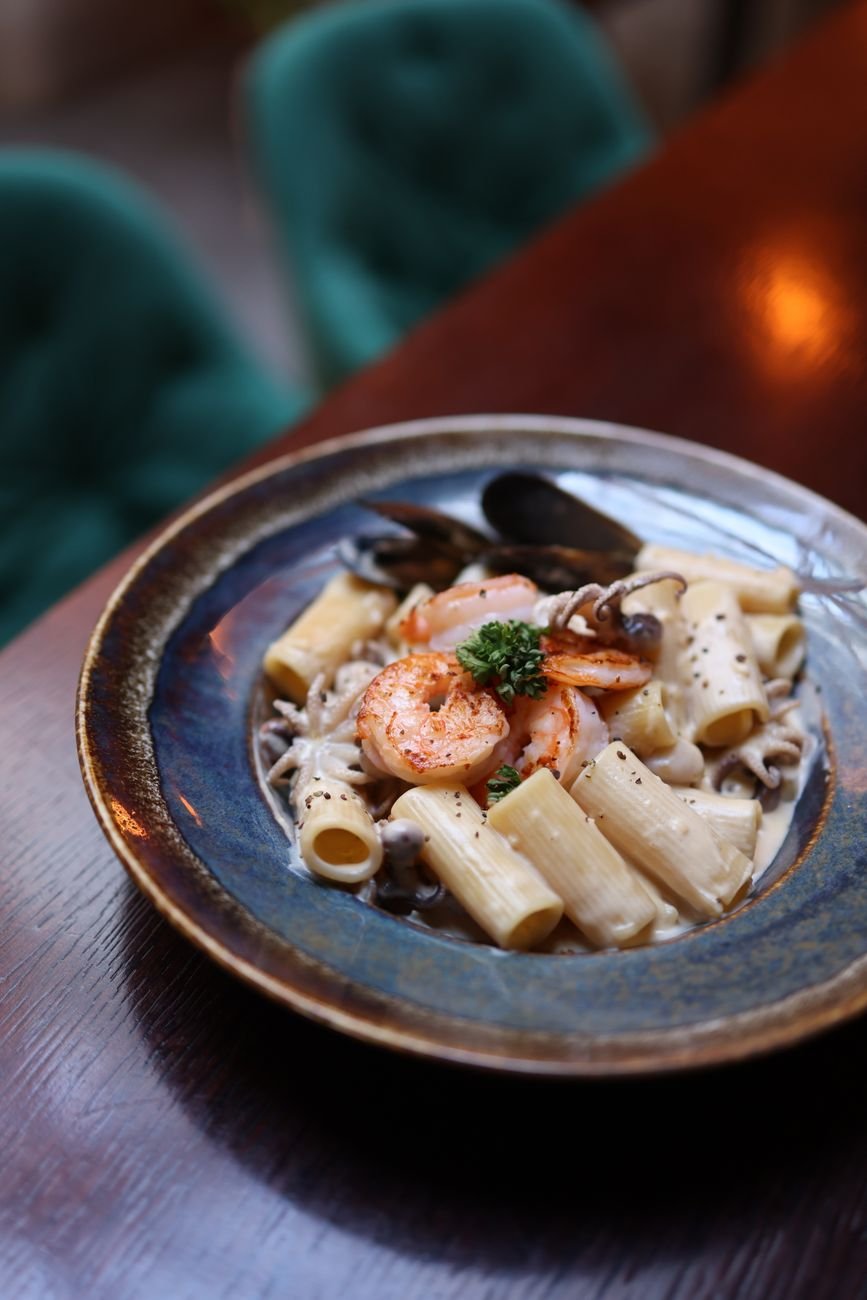
The cobblestones on Prospect Street are uneven enough to turn an ankle, and the parking is a punishment, and yet people keep coming to Georgetown for dinner. There's something about this neighborhood, the Federal-era rowhouses, the low light off the Potomac, the general sense that money has been here a long time, that makes you want to sit down with a bottle of wine and not rush. The best italian restaurants in georgetown understand that mood; the weaker ones merely borrow the setting. The question is whether the Italian food you're eating actually deserves it.
Georgetown has real Italian restaurants. It also has a handful of places banking on candlelight and exposed brick to distract you from mediocre pasta. Knowing the difference before you make a reservation is worth your time, especially because a dinner for two in this neighborhood moves fast toward the $150 mark before you've ordered a second glass of anything. When you're thinking about the best italian restaurants in georgetown, the filter shouldn't be atmosphere. It should be the kitchen.
What Sets the Best Italian Restaurants in Georgetown Apart
A serious Italian kitchen tends to show its cards in a few places. The pasta program is the most obvious tell. Fresh pasta made in-house has a particular texture; it holds sauce differently, and it has a slight give under the tooth that dried pasta doesn't replicate even when cooked correctly. If a Georgetown restaurant is charging close to thirty dollars for a bowl of pappardelle, the pasta should be made that afternoon. Ask. The good places are proud to say yes.
The second tell is the menu's regional coherence. Italian food is radically local. What they eat in Bologna is not what they eat in Naples, and neither of those resembles the food of Rome or Sicily. Restaurants that mix traditions indiscriminately, that serve both carbonara and chicken piccata as if those belong to the same culinary universe, are usually not thinking hard about the food. The stronger Georgetown kitchens commit to a region or a style and build their menu around it. You'll notice the difference in the sauces, in what proteins appear, in whether the menu changes with the season.
Then there's the bread. This sounds small. It isn't. A kitchen that puts genuine effort into its bread service, proper focaccia, a real sourdough loaf, something made in-house rather than parbaked, is usually a kitchen paying attention across the board. The inverse is also reliably true.
The Waterfront vs. the Side Streets
Georgetown's geography creates two distinct dining environments, and the Italian restaurants sort themselves accordingly.
The Wharf district is nearby, but Georgetown's own waterfront along the Potomac has its share of restaurants chasing the view. A table overlooking the river is genuinely lovely, and some places along that stretch deliver food that earns the real estate. Others are coasting. The view doesn't change the pasta, and it's worth being skeptical of menus that read like they were designed to sell to people who are already happy because they can see water. Simpler menus, shorter ingredient lists, more evident restraint, these tend to signal a kitchen confident enough not to distract you.
The side streets off M Street and Wisconsin Avenue are where Georgetown's more serious restaurants have historically lived. These blocks reward the walk up from the main commercial corridor. The rents, while still Georgetown rents, are slightly more forgiving than the waterfront, and the clientele tends to be more local: Hill staffers who moved to West Georgetown for the schools, Georgetown Law faculty, the kind of regular who has a usual table. Restaurants that survive on those blocks for more than a few years are doing something right, because neighborhood regulars don't forgive bad food the way one-time tourists sometimes will.
What to Order
On any Georgetown Italian menu worth taking seriously, the pasta section deserves your attention before the entrees. Cacio e pepe, if it's on the menu, is a useful diagnostic: it has three ingredients, and the technique either works or it doesn't. Carbonara is similar, egg, guanciale, pecorino, black pepper, no cream. If the menu describes it as containing cream, you have learned something important about the kitchen's relationship to tradition.
Braised dishes reward patience in Italian cooking, and Georgetown restaurants that have been around long enough to develop their suppliers often have a good osso buco or a slow-cooked short rib preparation that doesn't appear on the printed menu but exists as a weekly special. Worth asking.
For wine, the Italian-focused lists in Georgetown's stronger restaurants lean toward mid-tier Piedmont and Campania producers, Barbera, Aglianico, Fiano di Avellino, rather than immediately defaulting to Barolo and Amarone at the top of the price range. A list that offers interesting bottles in the fifty-to-seventy-dollar range, not just triple-digit showpieces, suggests a sommelier or beverage director who wants you to actually drink the wine. Pair that with a thoughtful wine program and the evening takes care of itself.
Reservations and Timing
Georgetown restaurants fill on Friday and Saturday evenings with a combination of date-night couples, visiting parents of Georgetown University students, and tourists who've walked up from the waterfront and want dinner somewhere that feels settled. Booking a week out for weekend dinners is standard at the better places. If you're flexible on time, the early seating around 5:30 or 6:00 often gives you a quieter room and more attentive service than the 7:30 peak.
Sunday evenings and Thursday nights are Georgetown's better-value windows. The neighborhood quiets, the pacing changes, and you're more likely to get a kitchen at its best, less in the weeds, more willing to take a moment with the table. For a proper date-night dinner, Thursday in Georgetown often outperforms Saturday.
Parking deserves a plan. Valet is sometimes available near the waterfront, street parking is brutal on weekends, and the DC Circulator from Rosslyn or Dupont Circle drops you within a couple of blocks of Wisconsin Avenue. Knowing this in advance improves the evening before it starts.
The Honest Bottom Line
Georgetown Italian dining at its best is genuinely good, not a consolation prize for being in a tourist-adjacent neighborhood, but real cooking in rooms that have earned their reputations over years. The neighborhood's wealth means the ingredient quality at the top tier is serious, and the competition keeps the mediocre places from getting too comfortable. The work on your end is modest: look at the pasta section first, ask if it's made in-house, check whether the menu has regional logic, and trust the side streets over the waterfront when the view is the main thing a restaurant is selling.
Georgetown is worth the trip for Italian food. Just make sure the restaurant is worth Georgetown.