Best Mexican Restaurants in Washington Dc, Tried and Tested
The taquerias and pupuserias along Mount Pleasant Street and 14th in Columbia Heights do more honest work than most of the Mexican food DC gets asked about. Here's how to tell the real thing from the rest.
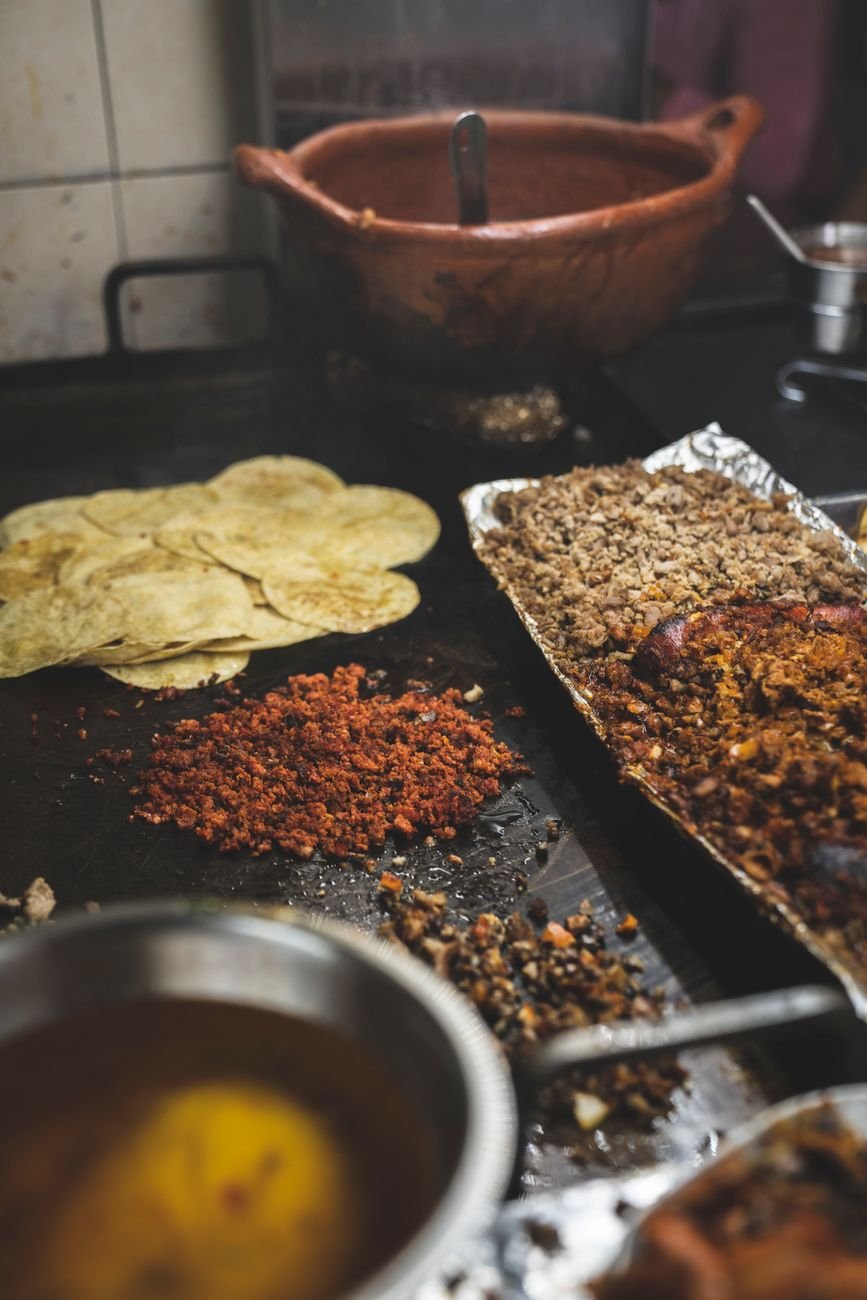
Walk up Mount Pleasant Street on a Saturday morning and you smell it before you see it: charring corn, the sweet rot of overripe mango at the fruit stand, someone's radio playing cumbia low against the clatter of the farmers market setting up. This corridor, and 14th Street a few blocks over in Columbia Heights, is where DC's Latino food culture actually lives. Not in a downtown food hall built to look the part. Anyone searching for the best mexican restaurants in washington dc should start on these blocks, then keep walking north into Petworth, where newer storefronts have opened between the barbershops and laundromats that have anchored those corners for decades.
What trips people up, including plenty of longtime residents, is that a lot of what reads as "Mexican" in these neighborhoods is actually Salvadoran, Guatemalan, or Honduran. Columbia Heights and Mount Pleasant became home to a huge wave of Central American immigrants starting in the 1980s, and that history shows up on the plate. A pupusa is not a taco. Understanding the difference is the first step toward eating well here, and toward giving credit to the right kitchens.
The Real Geography of the Best Mexican Restaurants in Washington DC
DC doesn't have a single Mexican district the way some cities do. Instead the food is distributed across a handful of neighborhoods, each with its own character. Columbia Heights, dense and walkable, has the highest concentration of taquerias, tortillerías, and Mexican grocery stores, many run by families who have been on the same block for twenty or thirty years. Mount Pleasant, just up the hill, leans more toward sit-down spots and carryout counters mixed in among Ethiopian and Caribbean businesses, a reminder that this stretch of Ward 1 has never been any one thing. Petworth, further north, is where a lot of the newer openings have landed, often in spaces that used to be something else entirely.
It's worth saying plainly: this food exists mostly west of the Anacostia River, but that's a gap in the city's food infrastructure, not a comment on Wards 7 and 8. Good tacos should not require a car and a bridge, and the neighborhoods east of the river deserve the same density of options that Columbia Heights has built over a generation.
Mexican Versus Salvadoran and Central American Food: Know the Difference
Mexican cooking in DC tends to show up in a few recognizable forms: tacos on corn tortillas with a short list of proteins and toppings, tortas on soft rolls, tamales wrapped in corn husk, and moles that take real time to build. Salvadoran menus run differently. Pupusas, thick masa cakes stuffed with cheese, beans, or chicharrón and served with curtido, are the anchor dish, alongside yuca frita and Salvadoran-style tamales wrapped in banana leaf rather than corn husk. Guatemalan and Honduran kitchens bring their own variations on tamales and stews that don't map neatly onto either tradition.
None of this is a hierarchy. It's a map. Knowing which country's food you're ordering changes what you should expect on the plate and helps you judge a kitchen on its own terms instead of comparing a pupusería to a taqueria and finding one of them lacking for reasons that were never fair.
Regional Mexican Styles Worth Knowing
Mexico itself is not one cuisine, and the better kitchens in DC reflect that. Oaxacan cooking centers on mole, often built from a long list of chiles and chocolate, plus tlayudas, the large crisp tortillas piled with toppings. Poblano-style cooking favors rich sauces and stuffed chiles. Coastal Veracruz-style dishes lean on seafood, tomato, and olive. A kitchen that names its regional roots, rather than just calling itself "Mexican food," is usually a good sign that someone in the back is cooking from memory rather than from a laminated corporate menu.
What to Order and How to Spot the Real Thing
- Tortillas made in-house or from a local tortillería, not shipped in plastic sleeves from a national distributor
- A salsa bar or table salsas that change day to day, a sign someone is making them fresh rather than pulling from a jug
- Lengua, tripa, or cabeza on the menu alongside carne asada and al pastor, since a full nose-to-tail taco list usually signals a kitchen cooking for its own community first
- Horchata or jamaica made on site rather than poured from a syrup dispenser
- Weekend-only specials like menudo or barbacoa, often listed by hand or announced verbally rather than printed, because they sell out
For a narrower search, the city's better taco counters are concentrated in exactly these corridors, and pairing a taco crawl with a stop at a Salvadoran pupusería on the same block gives a more honest sense of what Ward 1 actually eats than any single-cuisine list can.
The takeaway is simple: the best Mexican food in this city isn't hiding. It's on the streets Washingtonians already walk through on their way to the Metro, cooked by families who have been doing this work since before the neighborhood showed up in anyone's guidebook. Go hungry, order the thing you don't recognize, and ask what's fresh that day.