Best Restaurants in Georgetown: The Local Guide
Skip the M Street crush and eat where the neighborhood actually eats, from the canal towpath to the quiet blocks above Book Hill.
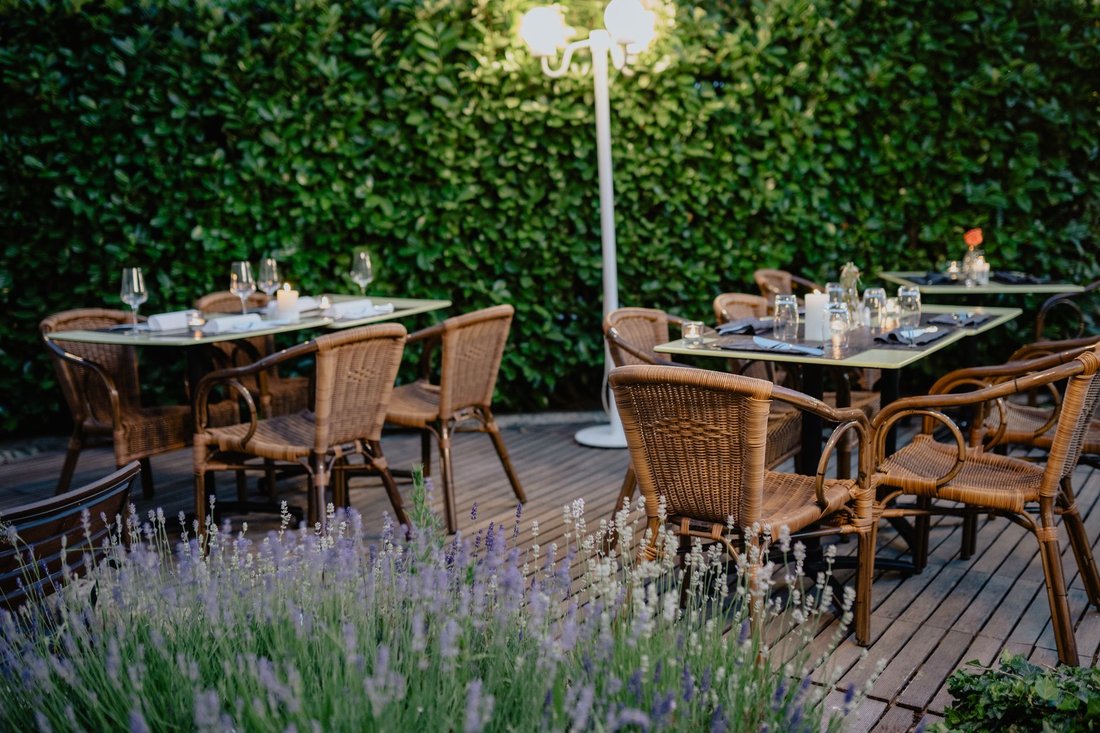
The cobblestones on the upper blocks near Wisconsin and M will rattle a stroller and ruin a pair of heels before lunch is over. Georgetown sits on a hill that drops hard toward the Potomac, so getting from a rowhouse on the high ground down to the C&O Canal is a small workout before anyone has ordered a drink. Georgetown University students in fleece pull-overs cut through the same crosswalks as women coming out of the shops on M Street in real fur, and neither group pays the other much attention. Finding the best restaurants in Georgetown starts with understanding that split: what survives the tourist crush on M Street is rarely what the neighborhood eats on a Tuesday night.
This is a guide to eating well here, not a scorecard of names. Georgetown has no Metro stop, which keeps out some of the crowd that floods other commercial strips, but it draws its own steady stream of visitors headed for the shops, the canal, and the water. Locals have learned to route around them.
The best restaurants in Georgetown rarely sit on the main drag
M Street and the lower blocks of Wisconsin Avenue carry the highest rents in the neighborhood, and the restaurants there are built to turn tables fast for people who came to shop, not to linger. That is not automatically a knock. Some of the city's more ambitious dining rooms have planted themselves right in the middle of the tourist flow, betting that a few blocks of foot traffic and a well-known chef's name will do the work. But the ratio of forgettable to excellent gets worse the closer you are to the main intersection. The better instinct is to walk one block off M, north or south, before deciding where to sit down. A hostess stand with a line out the door on a Tuesday is a warning sign as often as a recommendation; it usually means the address, not the food, is doing the selling.
Reading the waterfront correctly
Washington Harbour and the stretch along the river changed the neighborhood's dining math substantially. The view of the Potomac and the Kennedy Center across the water is real, the ice rink in winter and the fountains in summer draw families, and on a clear evening a table facing the water is worth the trip on its own. The honest way to think about waterfront restaurants here is as an experience purchase first and a meal second. Go for the setting, order simply, and do not expect the kitchen to be the main event. The restaurants that do best by the water tend to lean into seafood and raw bars, which make sense with that view, and a good one will not overreach with an ambitious tasting menu when what people actually want is a cold plate of oysters and the sunset.
What to order near the water
- Raw bar items and simply grilled fish, which travel the shortest distance from kitchen to table and hold up best against a busy dining room
- A cocktail or a glass of something crisp rather than a full bottle, since most waterfront rooms are built for turnover, not a slow three-course evening
- An early or late seating if the view matters more than the crowd; sunset hour books up weeks ahead in warm months
For a fuller sense of where to eat in Georgetown, it helps to treat the waterfront as one stop on a longer route rather than the whole meal plan.
Book Hill and the quiet blocks above Wisconsin
Head north on Wisconsin past the shopping strip and the street starts to feel like an actual neighborhood again. Book Hill, the stretch of Wisconsin above P Street, has held onto a slower pace and a mix of longtime residents who never set foot on M Street on a weekend. This is where the small, owner-driven places tend to survive, the kind of spot where the same person greeting you at the door was also in the kitchen an hour earlier. Reservations matter less here and regulars matter more. If a place looks half empty from the sidewalk at seven on a weeknight, that is often a sign the crowd comes later and comes back often, not that the food is lacking.
The residential side streets running east toward Georgetown University and west toward the campus edge hold a few more of these, tucked behind rowhouses with no sign visible from the corner. Anyone putting together a walking plan for the neighborhood for a first visit should budget time to wander these blocks on foot rather than mapping a single destination and walking straight there.
Weekday lunch versus weekend brunch
Weekday lunch in Georgetown moves fast and serves a working crowd from the university, the shops, and the offices tucked into converted rowhouses. It is the best time to get a table without a wait almost anywhere in the neighborhood. Weekend brunch is the opposite: the whole neighborhood turns out along with visitors staying nearby, lines form early at the popular spots, and a table by 10 a.m. beats one at noon by a wide margin. If brunch is the goal, go early or go late, and skip the middle of the window entirely.
The takeaway
Eating well in Georgetown means separating the neighborhood from its own tourist economy on purpose. Walk a block off M Street before choosing where to sit. Treat the waterfront as a view with a meal attached, not the other way around. Push north toward Book Hill and the side streets near the canal towpath for the places that answer to regulars instead of foot traffic. None of that requires a reservation app or a list of names, just a willingness to walk past the first door that looks busy.