Best Day Trips From Washington Dc You Shouldn't Miss
A Ward-by-ward local's honest map of where to point the car when the District itself isn't enough for one Saturday.
By 7 a.m. on a Saturday, the parking spots on Upshur Street in Petworth are already gone and the line outside Call Your Mother wraps toward Georgia Avenue. That's the tell. Some weekends call for staying put in Ward 4 with a bagel and a stroller crowd. Others call for getting in the car before the rest of the block wakes up. This is my working list of the best day trips from Washington DC, built after years of testing every version of the getaway: coffee in Shaw before dawn, gas station snacks off 270, the long crawl back down 95 on a Sunday night, the argument in the front seat over whether Skyline Drive or the Bay Bridge wins the day. It's organized the way people who actually live here think about geography, by which direction you're driving, not by which monument you're circling on the way out of town. On the Saturdays you'd rather stay put, that same logic carries over to things to do around the District.
Heading West to the Blue Ridge and Shenandoah
West is where DC goes to remember it's surrounded by mountains, not just beltway. Take 66 out past Manassas on a clear morning and the ridgeline shows up faster than most residents expect, usually somewhere around Haymarket if the haze has burned off. This is the direction to point the car for anyone who's spent a whole summer without leaving the District and needs elevation more than anything else.
Shenandoah National Park and Skyline Drive
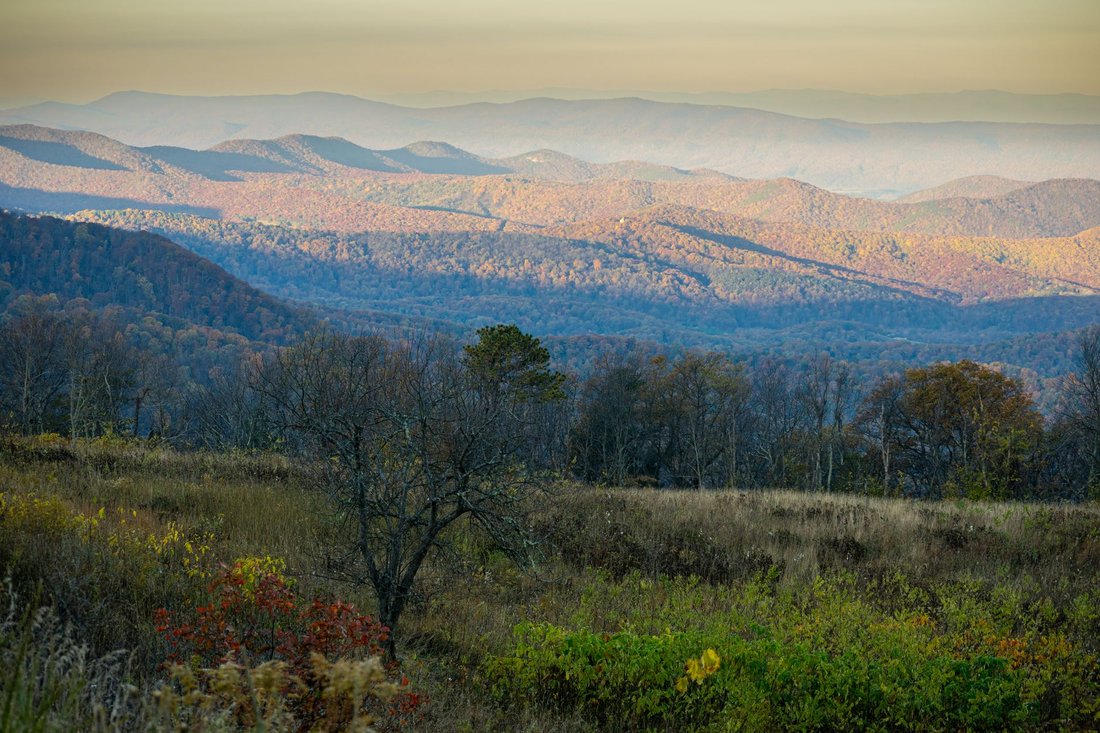
Shenandoah is the trip locals mean when they say they're heading to the mountains for the day. The park runs roughly 75 miles along the Blue Ridge, with Skyline Drive threading the spine of it from the Front Royal entrance in the north down to Rockfish Gap near Waynesboro in the south. You don't need a plan beyond picking an overlook and a trail length. Old Rag draws the crowds and the permit system that comes with it, but Dark Hollow Falls and the loop trails around Big Meadows give you waterfalls and open sky without the scramble, and the drive itself, with more than 70 overlooks along the way, is worth the trip even if you never leave the car. Fall brings the leaf-peeping traffic and long waits at the entrance stations, so a spring or early summer visit gets you the same views with a fraction of the crowd. Insider tip: skip the Front Royal entrance on a fall Saturday and come in from the south near Waynesboro instead, where the crowds thin out and the light hits the valley better in late afternoon. It's about 75 to 90 minutes to the nearest entrance from the District on I-66 west.

Luray Caverns
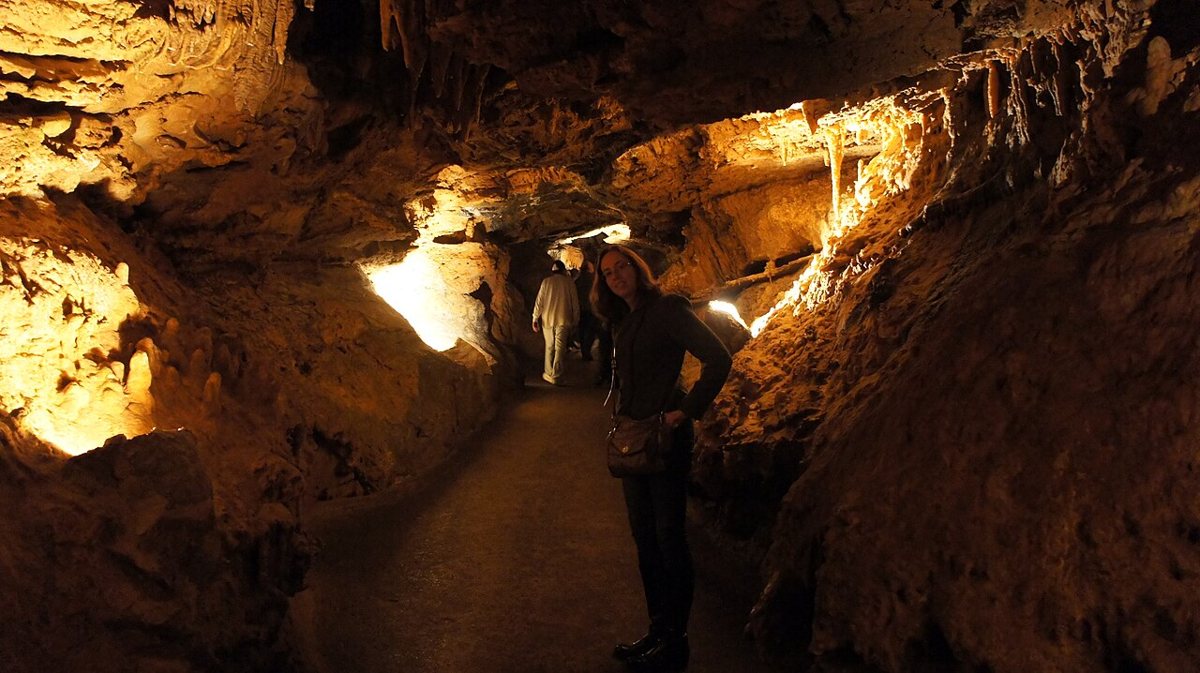
Luray sits in the Shenandoah Valley on the far side of the mountains from Skyline Drive, which makes it an easy add-on to a Shenandoah day or a worthwhile trip by itself when the weather turns. It's the largest cavern system in the eastern United States, with towering flowstone formations and the Great Stalacpipe Organ, an actual working instrument built from the cave's own stalactites that gets played on tours. The temperature underground sits in the mid-50s year-round, so bring a layer even in July, and the paved paths make it one of the more accessible trips on this list for grandparents or anyone who can't handle a long hike. Go on a weekday morning if you can; the tour groups move slower on weekends and the parking lot fills early in summer. It's a little over two hours from DC, most of it on 66 and 340, and it pairs naturally with a stop in the town of Luray for lunch before the drive back.

The Civil War Corridor, an Hour or Two Out
This stretch of Maryland, Virginia, and West Virginia holds more Civil War ground than almost anywhere in the country, and none of it requires a security line to get in. It's also the part of the region that rewards a slower pace, since half the value is standing still in a field and reading the terrain rather than checking sites off a list.
Harpers Ferry, West Virginia
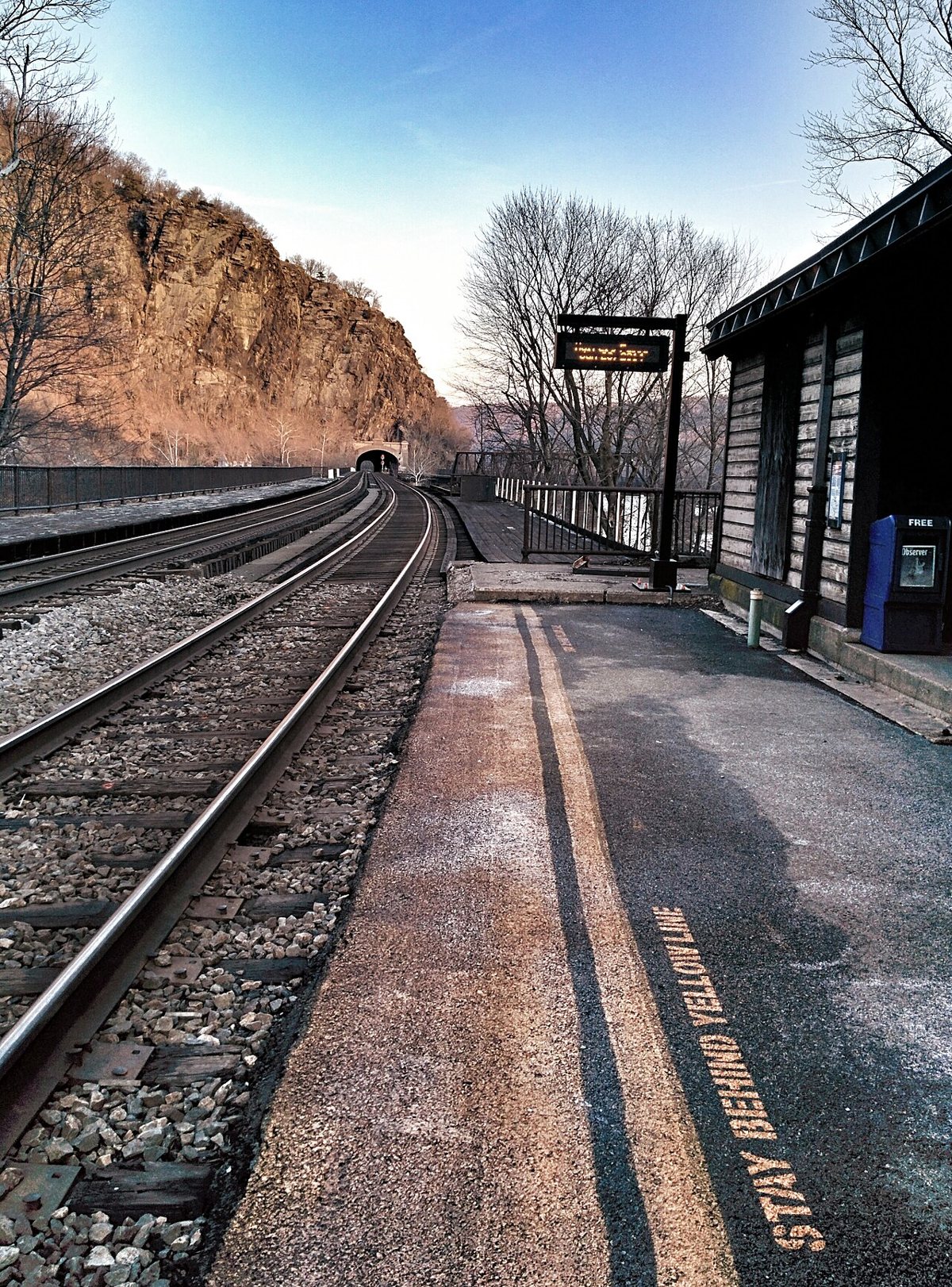
Harpers Ferry sits at the confluence of the Potomac and Shenandoah rivers, a town stacked up a hillside where John Brown's 1859 raid on the federal armory helped light the fuse for the Civil War. The historic lower town is walkable in a few hours, with old storefronts, a working armory museum, and river views from the rock outcropping locals call Jefferson Rock. The C&O Canal towpath runs right through, so you can turn the visit into a bike ride or a short hike up Maryland Heights for the overlook that makes every photo of the town, the one where both rivers and three states are visible at once. Insider tip: this is one of the rare day trips you can do without a car at all, MARC's Brunswick Line runs from Union Station most weekdays and drops you into the historic district on foot. By car it's about an hour west on 340.

Antietam National Battlefield
Near the small town of Sharpsburg, Maryland, Antietam marks the single bloodiest day in American military history, September 17, 1862. What sets it apart from other battlefields is how unspoiled the ground still is: cornfields, the sunken road known as Bloody Lane, and the stone Burnside Bridge look close to what soldiers would have seen that morning. The self-guided driving tour takes you through the whole battlefield with stops at each major point, and the visitor center puts the day in context before you set out, with a short film that does a better job than most museum exhibits at explaining why this particular field mattered to the outcome of the war. Go early or on a weekday if you want the fields to yourself, and bring good shoes if you plan to walk any of the trail sections instead of just driving the loop. It's about an hour and a half from DC, mostly on 270 and 70.

Manassas National Battlefield Park
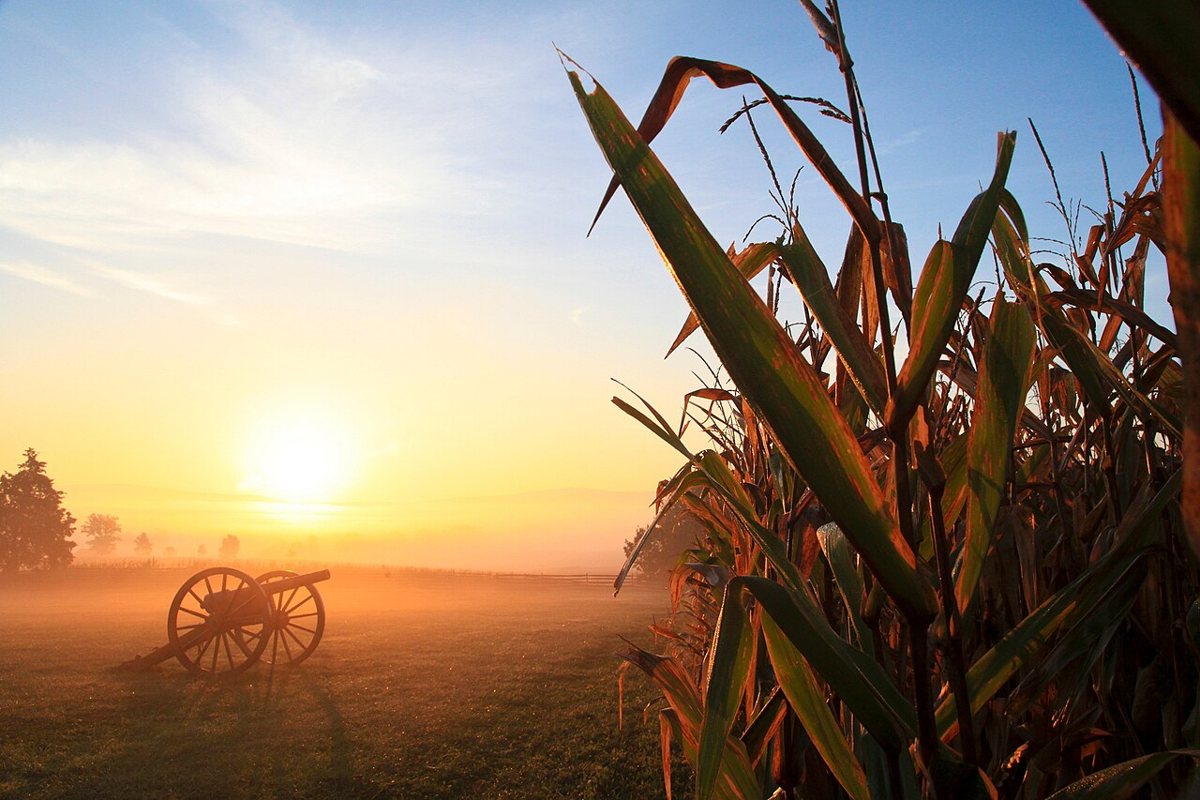
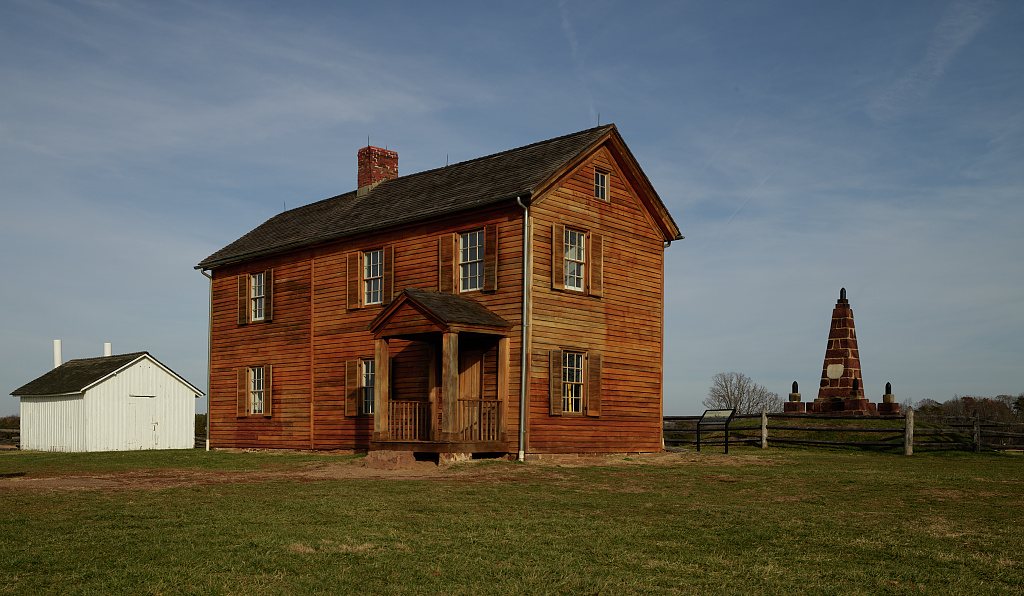
Manassas is the closest serious Civil War site to the District, out in Prince William County less than an hour from downtown on 66. The rolling fields here saw both the First and Second Battle of Bull Run, and the compact size of the park makes it realistic to see most of it in a single morning, which makes it the easiest of the battlefield trips to pair with something else, like a stop in Middleburg or a return through Manassas's own small historic downtown for lunch. The Stone House and Henry Hill are the anchor points if you're short on time, and the visitor center's map makes it simple to string together a two-hour loop on foot. It's a good option for a half-day trip when the rest of your Saturday is already spoken for, or for a weekday evening in summer when the light lasts long enough to squeeze it in after work.

South on 95: Fredericksburg and Charlottesville
The corridor south of DC covers more history per mile than almost any drive in the country, and it ends at one of the best college towns on the East Coast, which makes it a good stretch to plan around whether you have four hours or a full day and a hotel reservation.
Fredericksburg, Virginia
Fredericksburg does double duty as a walkable historic downtown and the center of a Civil War landscape that includes four major battles fought within a few miles of each other. The town itself has a well-preserved 40-block historic district with shops and restaurants set in 18th- and 19th-century buildings, and the National Park Service visitor center is a smart first stop for orienting yourself to the battlefields at Fredericksburg, Chancellorsville, Spotsylvania Court House, and the Wilderness. Sunken Road and Marye's Heights, where Union troops made repeated doomed assaults in December 1862, are a short walk from downtown and free to visit on your own schedule. It's reachable by VRE commuter rail on weekdays or Amtrak most days, which makes it one of the more car-optional trips on this list for anyone who'd rather read on the train than sit in 95 traffic. By car it's about an hour south on I-95.
Charlottesville and Monticello
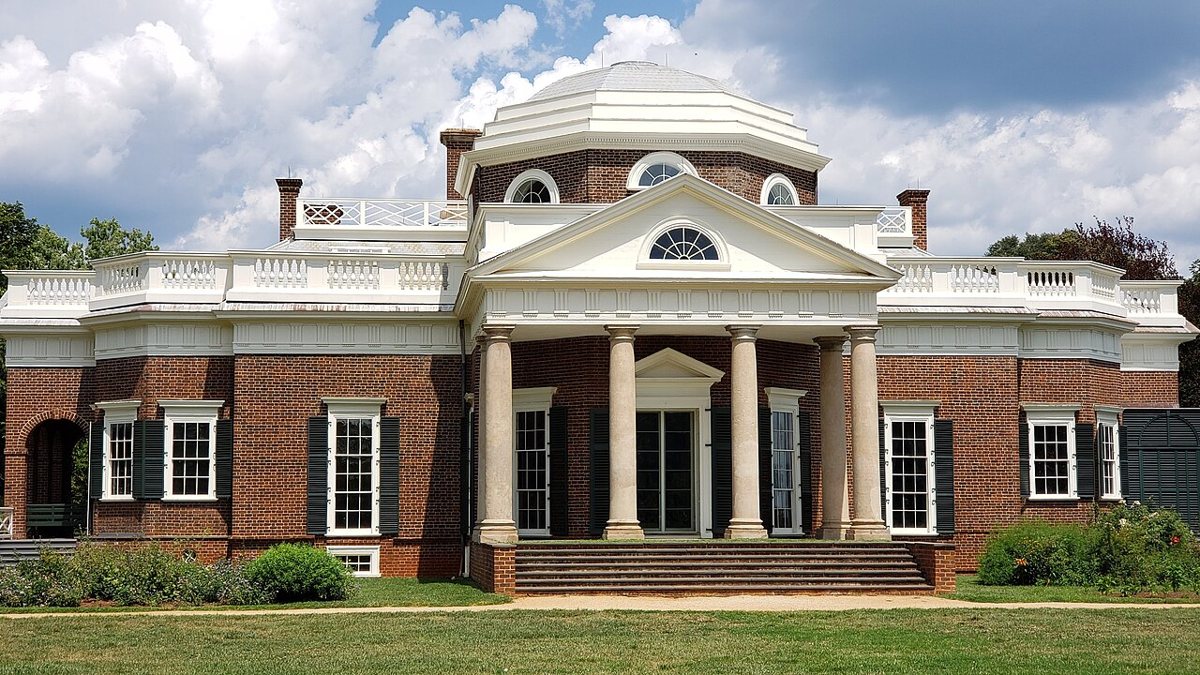
Charlottesville is far enough that it earns a full day rather than a half, but it rewards the drive. Monticello, Thomas Jefferson's home on its own small mountain, is a UNESCO World Heritage Site and one of the few presidential homes where the architecture itself is the main attraction, not just the furniture inside. The tour covers the house and gives real attention to the enslaved community that built and ran the plantation, including the separate Mulberry Row tour that focuses specifically on their lives and work, which the site has worked to present more fully in recent years. Downtown, the pedestrian mall and the University of Virginia's Jefferson-designed Academical Village, also UNESCO-listed, round out the day with plenty of places to eat between stops. Insider tip: book your Monticello time slot before you leave DC rather than showing up and hoping; same-day slots disappear fast on weekends. It's about two to two and a half hours south depending on whether you take 66 and 29 or 95 and 64.

Southwest to Horse and Wine Country
Loudoun and Fauquier counties turn rural fast once you're past the last exit ramp, and the change of scenery is the whole point rather than any single attraction.
Middleburg and the Virginia Piedmont
Middleburg is the center of Virginia's horse and wine country, a small town of stone buildings and horse farms about an hour west of DC on Route 50. There's no single attraction here so much as a whole afternoon: a handful of wineries within a short drive of each other, antique shops and a bookstore along the main street, and horse farms visible from nearly every back road, some of them still training steeplechase horses the traditional way. This is a trip best done slow, with one or two winery stops rather than a checklist, and a lunch reservation in town rather than a drive-through plan. It's an easy pairing with Manassas if you leave DC early, or a full lazy day on its own if you'd rather not rush, especially in early fall when the vineyards along Route 50 are at their best.
East to the Chesapeake
DC faces the Bay whether the city acts like it or not, and the drive east changes the light and the accent within an hour, long before you can smell salt water.
Annapolis, Maryland
Annapolis is Maryland's state capital and one of the oldest cities in the country, with a City Dock that still functions as a working harbor and a downtown of brick sidewalks and 18th-century houses. The Maryland State House is the oldest state capitol still in legislative use, and the U.S. Naval Academy sits right at the edge of downtown with public tours available of the grounds and chapel for anyone curious about the campus. Walk the dock, get something to eat that came out of the Bay that morning, and browse the shops on Main Street on the way back up the hill toward the State House. It's the most efficient trip on this list, about 45 minutes to an hour east on Route 50, which makes it a realistic option even for a short afternoon rather than a full day, or a weeknight dinner run if you time it right.

St. Michaels and the Eastern Shore
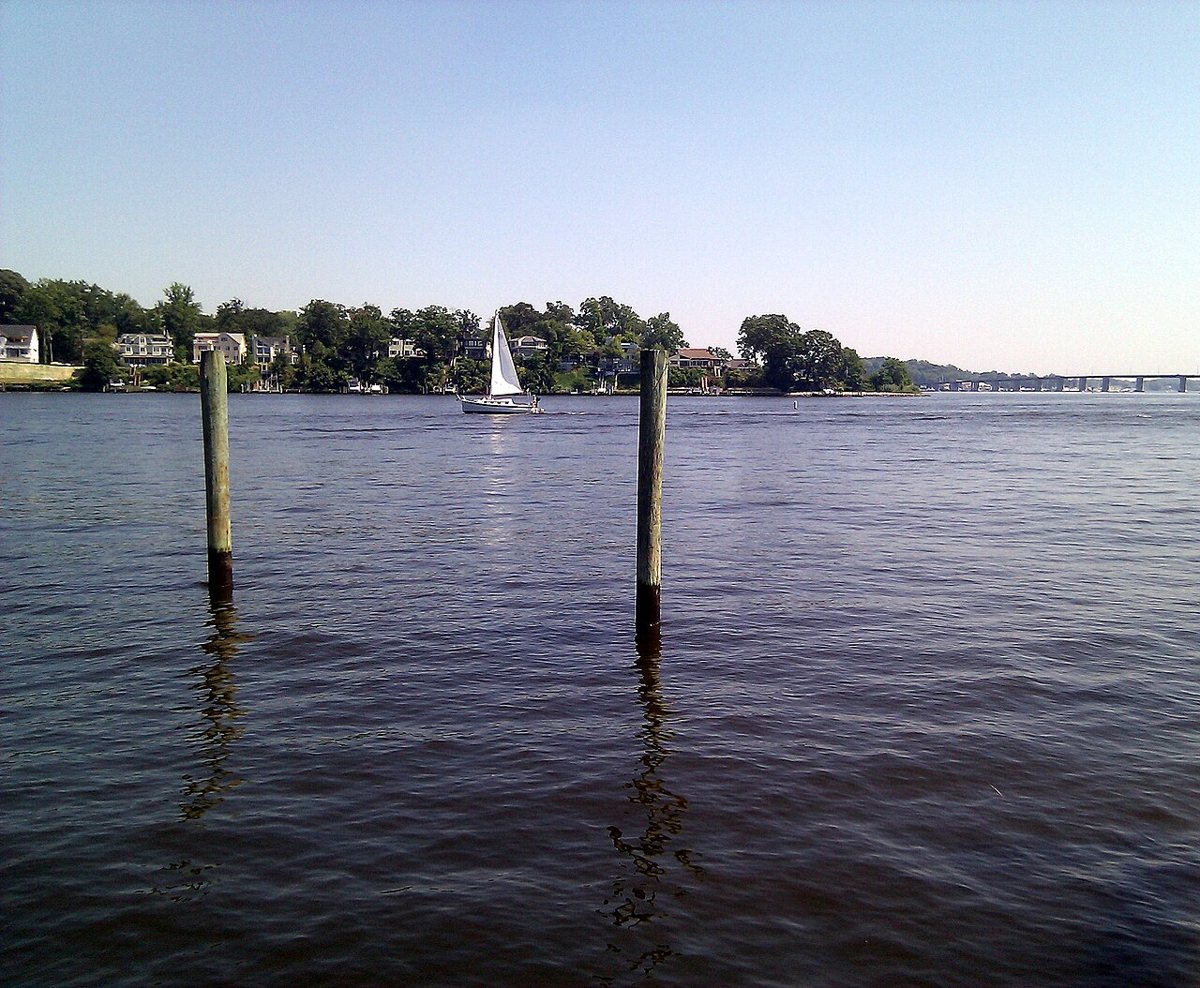
Cross the Bay Bridge and the whole feel of the drive changes, flat farmland and marsh instead of piedmont hills. St. Michaels is the anchor town for a day on the Eastern Shore, a former shipbuilding village turned harbor town with the Chesapeake Bay Maritime Museum sitting right on the water. The museum's collection of restored skipjacks and workboats explains the Bay's oystering history better than any plaque could, and the town itself is built for wandering between the harbor and Talbot Street, with plenty of spots to eat crab outdoors in season. This is the longest trip on the list and worth treating that way, leave DC by mid-morning and expect the Bay Bridge to be the bottleneck both directions, especially heading east on a summer Saturday. It's roughly two hours each way via Route 50, more if you're crossing the bridge during a summer weekend rush.
North to Baltimore
Baltimore gets treated like an afterthought by a lot of DC guides, which says more about those guides than about Baltimore, a city with its own neighborhoods and its own claim on this region entirely separate from the District's.
The Inner Harbor and Beyond
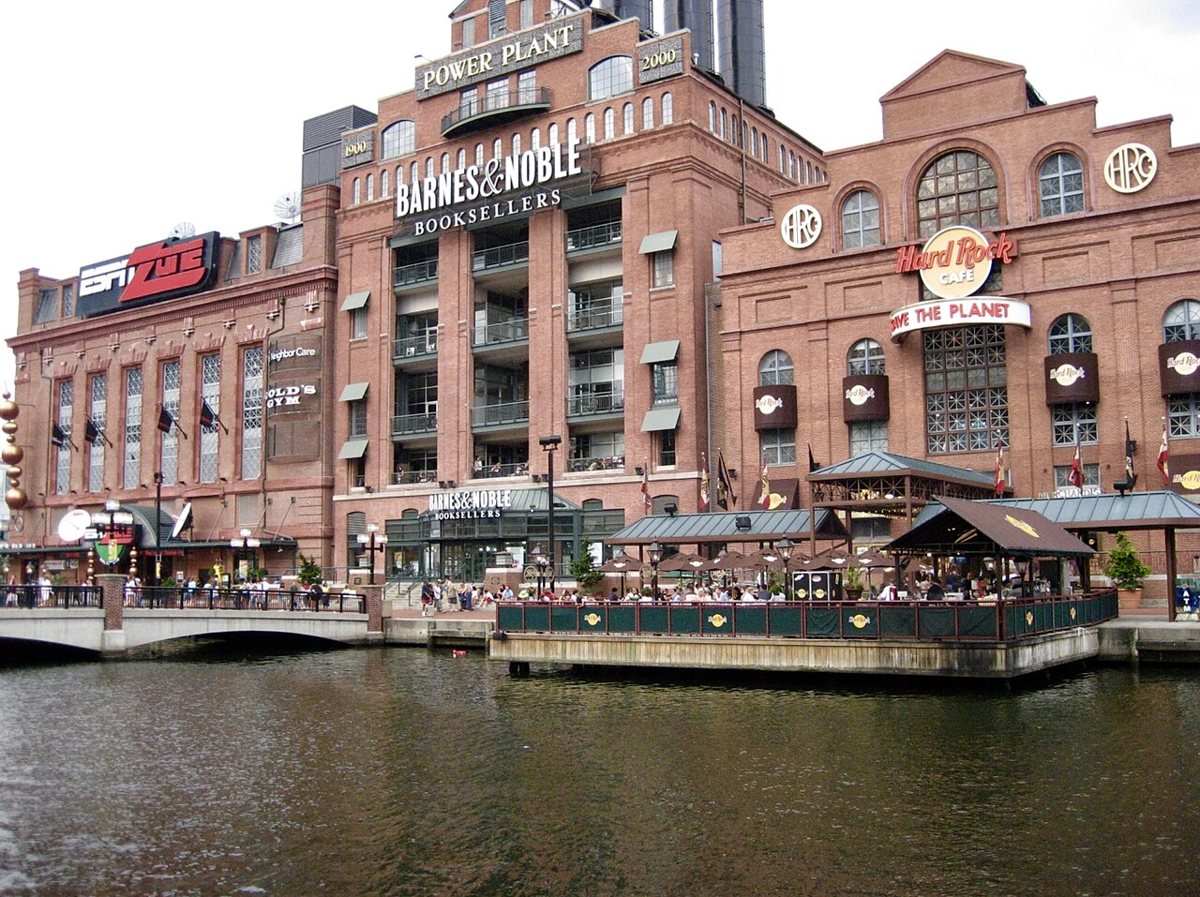
The Inner Harbor is the obvious anchor, with the National Aquarium and the harbor walk drawing most of the day-trip traffic, but the smarter version of a Baltimore day trip gets away from the harbor fast. Fort McHenry, where the flag that inspired the national anthem flew through a British bombardment in 1814, sits on its own peninsula a short drive from downtown with water views on three sides and enough open lawn for a picnic. Camden Yards is worth building a whole trip around if there's a game on the schedule, and the neighborhoods around Fells Point and Federal Hill have better food than most people give the harbor credit for, with cobblestone streets that make for a good after-dinner walk. MARC's Penn Line and Amtrak both run from Union Station and drop you close to downtown in under an hour, which makes Baltimore one of the easiest car-free trips on this entire list. By car it's about 45 minutes to an hour via 295, depending on where you're headed once you arrive.

Closer to Home, Still Worth the Whole Day
Not every trip needs a tank of gas. Some of the best resets are inside the Beltway or just past it, close enough that there's no excuse for skipping them on a free Sunday.
Great Falls Park
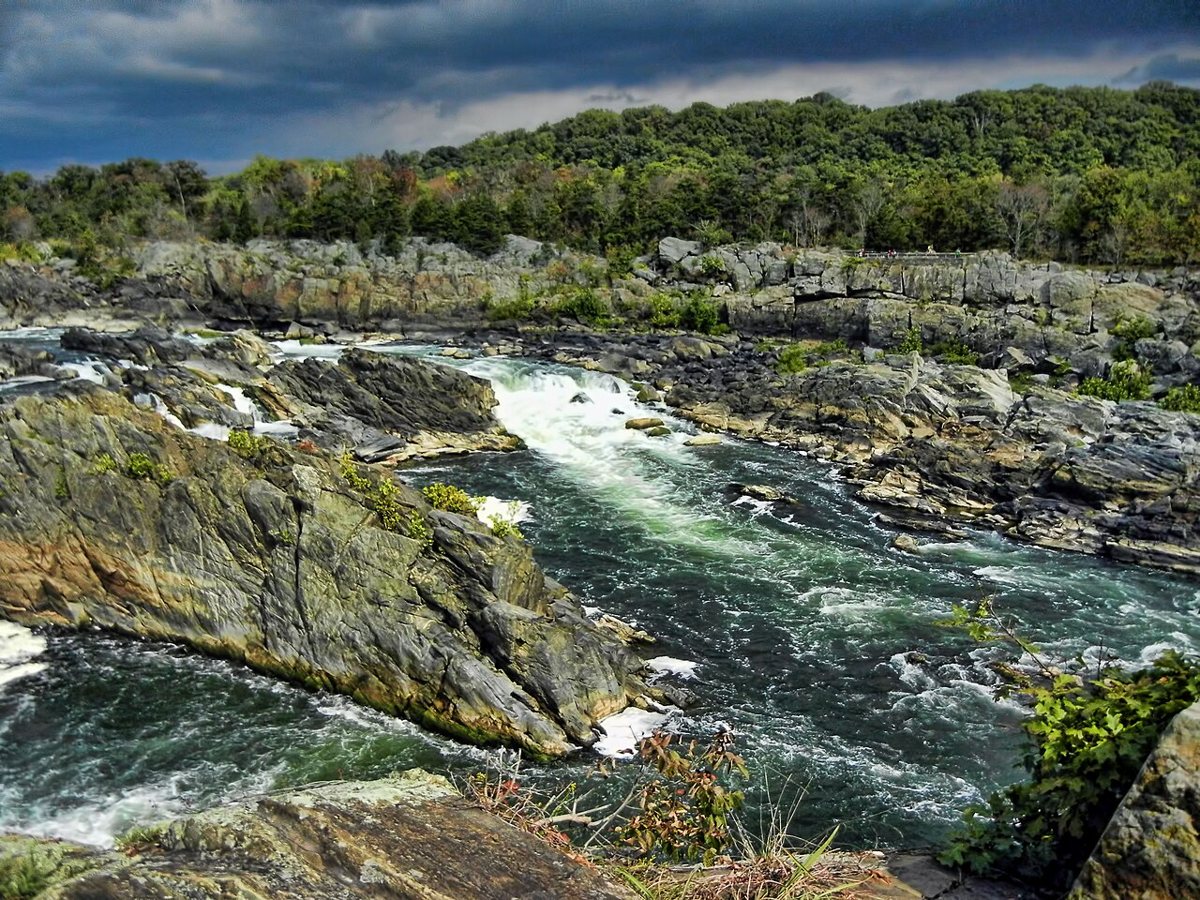
Great Falls is proof that you don't have to leave the region to feel like you left the city. The Potomac drops through a series of steep, narrow falls right at the edge of Fairfax County, with overlooks on both the Virginia and Maryland sides of the river offering different views of the same churn of whitewater. The Virginia side, Great Falls Park, has the more dramatic overlooks and a network of hiking trails along the cliffs, including the Billy Goat Trail for anyone who wants actual rock scrambling; the Maryland side connects to the C&O Canal towpath for a flatter walk with mule-drawn canal boat history built in. It's the shortest trip on this whole list, 30 to 45 minutes from most of the District, which makes it the trip to default to on a free Sunday morning when a bigger drive doesn't make sense. Entrance fees apply on both sides, so check current rates before you go.

Best Day Trips From Washington DC: Getting There and Timing It Right
A few practical notes before you load the car, or skip the car entirely and let someone else do the driving.
- Several of these trips don't require driving at all. MARC's Brunswick Line reaches Harpers Ferry, MARC's Penn Line and Amtrak both reach Baltimore, and VRE or Amtrak can get you to Fredericksburg or Charlottesville, all from Union Station.
- Leave earlier than feels necessary. Traffic on 66 west, 95 south, and the Bay Bridge eastbound builds fast on weekend mornings, and the return trip Sunday afternoon is usually worse than the trip out, particularly coming back over the Bay Bridge or down from Shenandoah on a fall weekend.
- Weekdays are the quiet-crowd option for battlefields and caverns if your schedule allows it. Summer weekends at Luray and Shenandoah in particular fill parking lots by mid-morning, and Old Rag's permit system means you should plan that hike days in advance rather than the morning of.
- National battlefield grounds are usually free to walk; visitor centers, museums, and some park entrance fees vary by site, so check current hours and rates before you go rather than assuming everything is included.
- Pack for two microclimates on any Shenandoah trip. The valley floor and the mountain overlooks can run 10 to 15 degrees apart, and cave tours at Luray are a steady chill no matter the season outside, so a light jacket earns its space in the car even in August.
Why Leaving Is Part of Living Here
People who only pass through DC assume the whole region ends at the District line, that everything past Chevy Chase or the Wilson Bridge is just flyover space between the capital and the rest of the country. That's wrong, and it's a particular kind of wrong that residents get tired of correcting. This is a mid-Atlantic city with a mountain range, a working harbor, a Civil War landscape, and a bay full of oysters all within two hours of a Ward 6 rowhouse, and the people who actually live here, in Anacostia and Petworth and Columbia Heights and every ward between, use that geography constantly, the way people in any real city use whatever surrounds it. Knowing when to stay in the neighborhood for a Saturday and when to point the car toward Shenandoah or the Shore isn't a tourist skill, it's a local one, learned the same way you learn which coffee shop opens on time and which one doesn't. The day trip isn't an escape from DC, and the same instinct for knowing your surroundings is what makes DC's own neighborhoods worth exploring just as closely on the weekends you stay home. It's one more way of knowing the place you actually live, and everything around it, better than the people who think the city ends at the monuments ever will.