Best Brunch in Georgetown You Shouldn't Miss
A street-by-street guide to finding the best brunch in Georgetown before the tour buses and the Saturday-night campus crowd take over the tables.
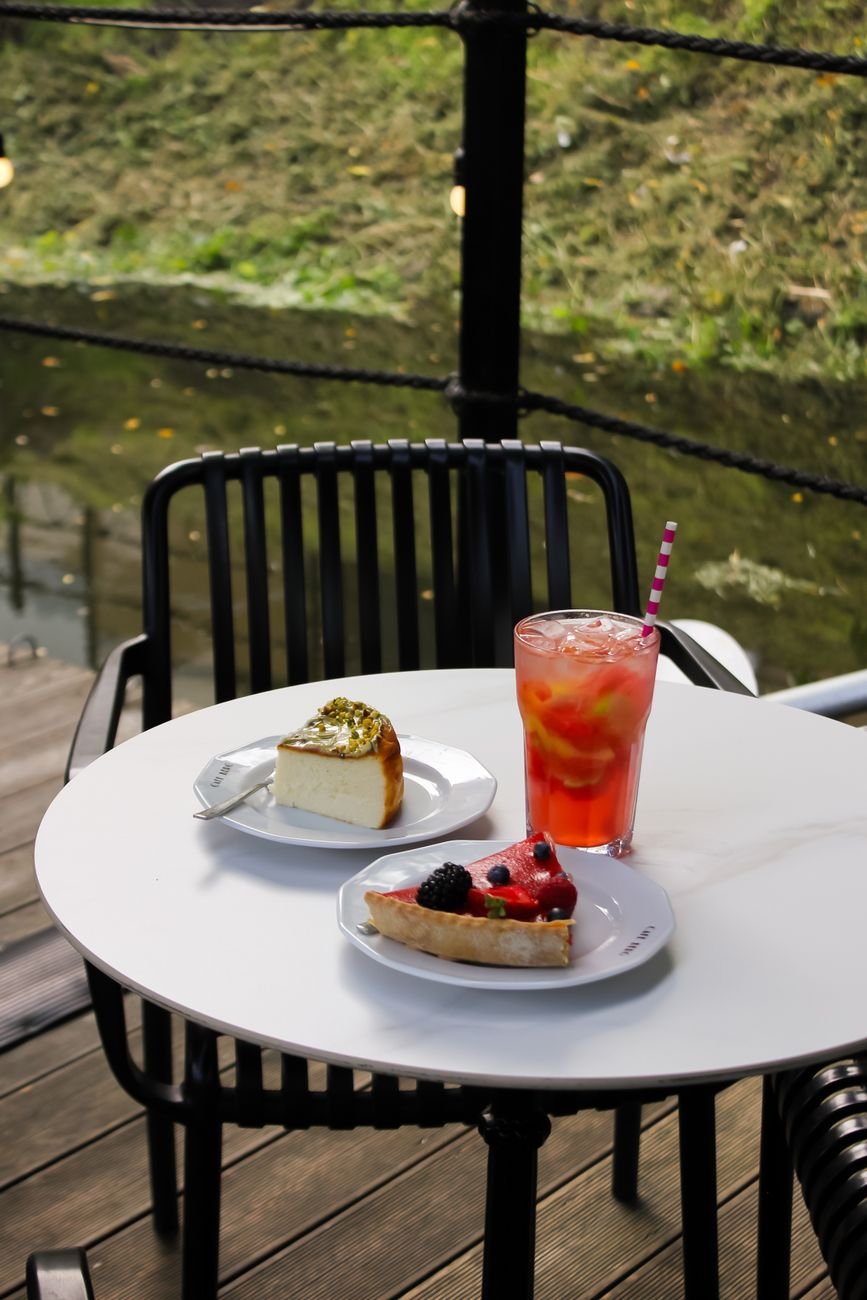
By eight on a Sunday, the cobblestones on N Street are still dark from an overnight hose-down, and a line of dog walkers is already working the C&O Canal towpath before the heat sets in. Down the hill, the Potomac is doing its slow brown churn past the waterfront, and the first patio chairs are getting wiped clean for the day. This is Georgetown before the tour buses find parking and before the Saturday-night crowd from campus has rolled out of bed, which is exactly when the best brunch in Georgetown happens: an open table, a full pot of coffee, and a server who isn't running on fumes yet. Ward 2's oldest neighborhood runs on old money and older brick, and its brunch scene splits cleanly along the same lines that define everything else here: water versus street, tourist versus local, polished versus quiet.
Georgetown never got a Metro stop, and that single fact shapes brunch here more than any menu trend does. It keeps the neighborhood smaller-feeling than its address suggests, it thins out the weekday crowd, and it means every plan for a Saturday or Sunday morning has to start with how you're actually getting there and how long you're willing to walk once you do.
Finding the Best Brunch in Georgetown Starts With Picking Your Street
The neighborhood reads like a grid with a river on one edge. M Street runs east-west as the commercial spine, lined with old Federal-era rowhouses that have been converted into storefronts for two centuries. Wisconsin Avenue crosses it running north-south, climbing from the water up through the shopping corridor toward Book Hill and the residential blocks near the reservoir. Below both of them, the waterfront opens onto the Potomac, and above them, the university anchors the western edge of the neighborhood with its own separate rhythm. Each of these zones produces a different kind of Sunday morning, and the trick to finding the best brunch in Georgetown for your particular mood is matching the area to what you actually want out of the meal.
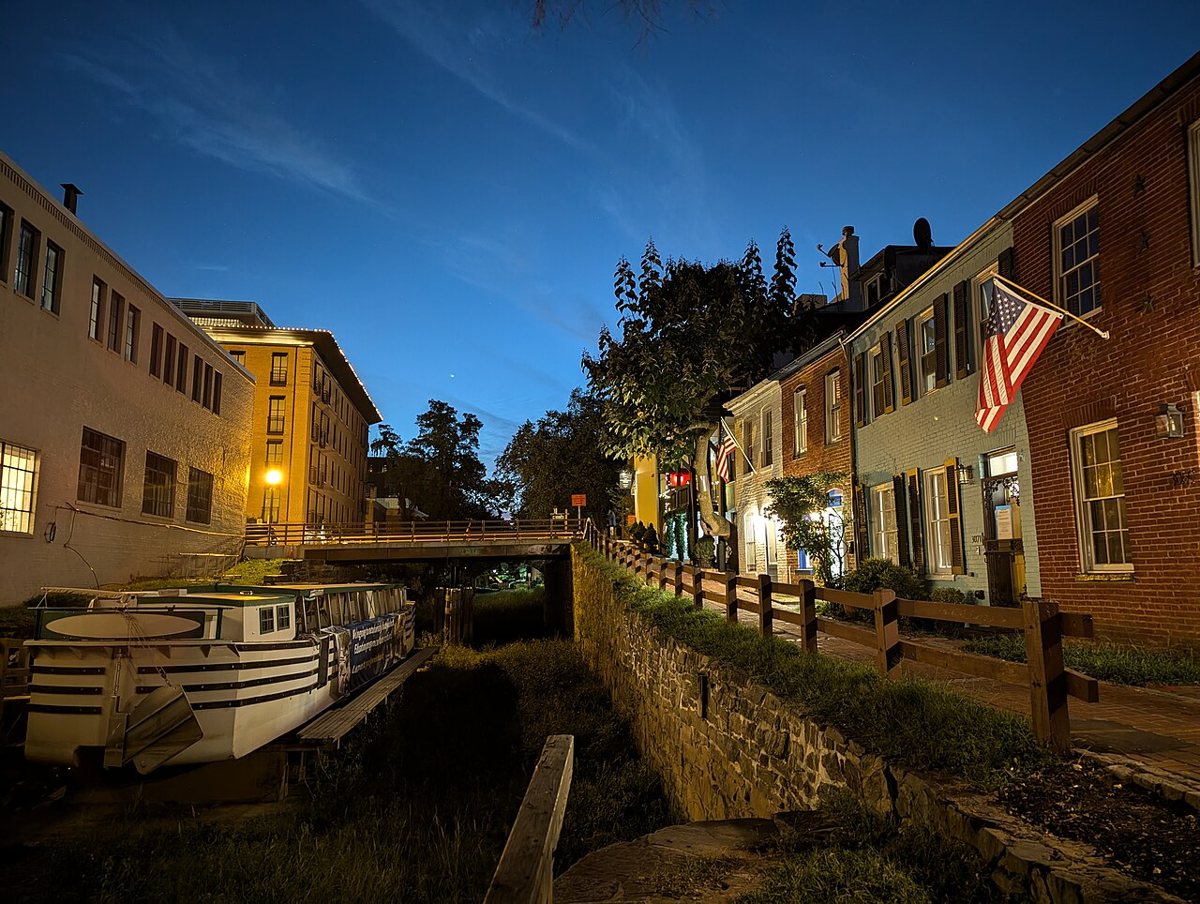
Start with the canal itself, since it's the throughline for almost every good Georgetown morning. The towpath along the C&O Canal is flat, shaded, and mostly forgotten by anyone who isn't already local, which makes it the best fifteen minutes you can spend before sitting down to eat.

The Georgetown Waterfront: Brunch With a View
The stretch along the Potomac is where Georgetown brunch gets its reputation for polish. Call it the part of the neighborhood built for looking at water while you eat, and the restaurants here have leaned into it with wide patios, heat lamps for the shoulder seasons, and floor-to-ceiling glass for the mornings when it's too cold or too wet to sit outside.
Washington Harbour and the Fountain Plaza
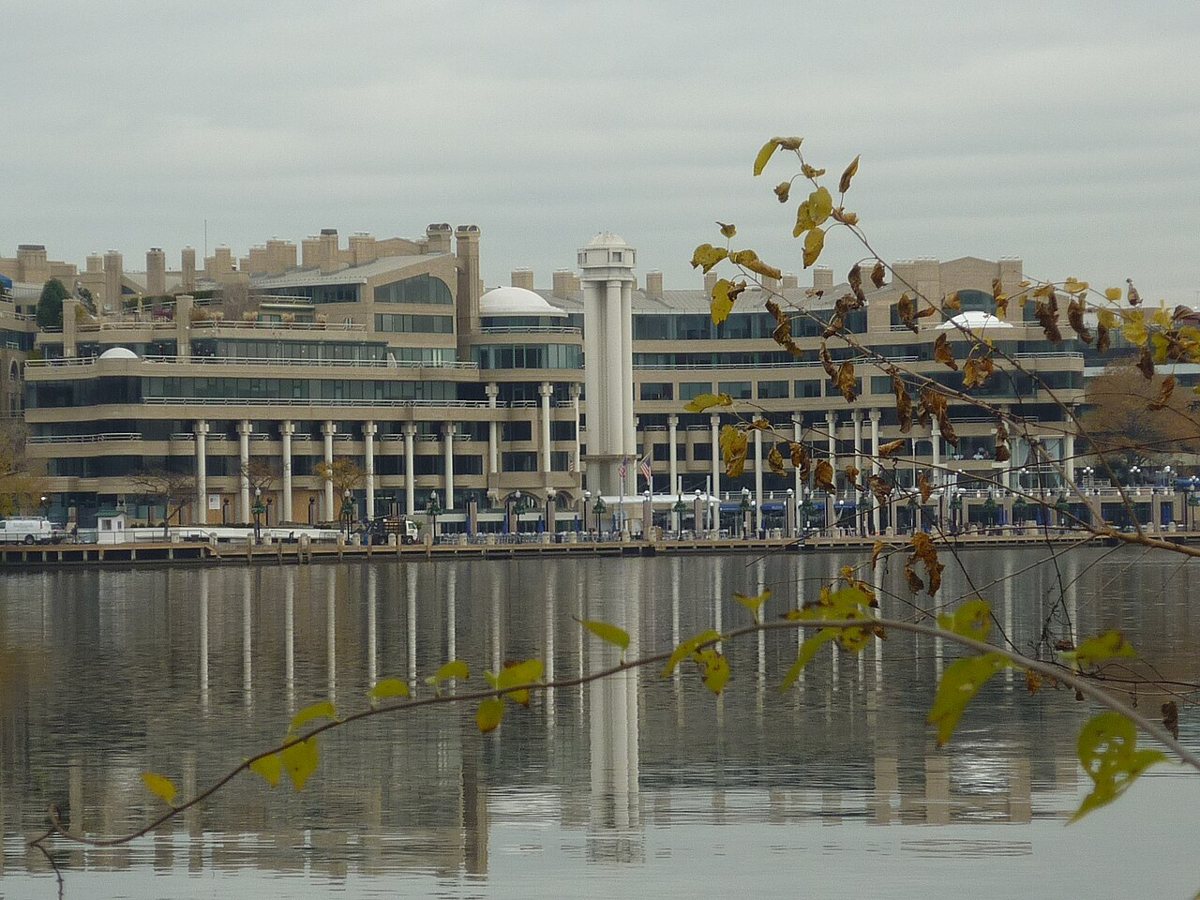
The plaza around the fountain at Washington Harbour is the most photographed patch of ground in the neighborhood outside of the university gates, and on a clear weekend morning it fills fast with strollers, paddleboarders launching from the dock below, and brunch tables angled toward the water. This is the spot for a genuinely special-occasion brunch: bottle service, a view of Rosslyn's skyline across the river, and prices that reflect the location as much as the food. Reserve ahead here, always. Walk-ins on a sunny Sunday between ten and one are close to impossible without a wait measured in hours, not minutes.

Georgetown Waterfront Park and the Quieter Patios
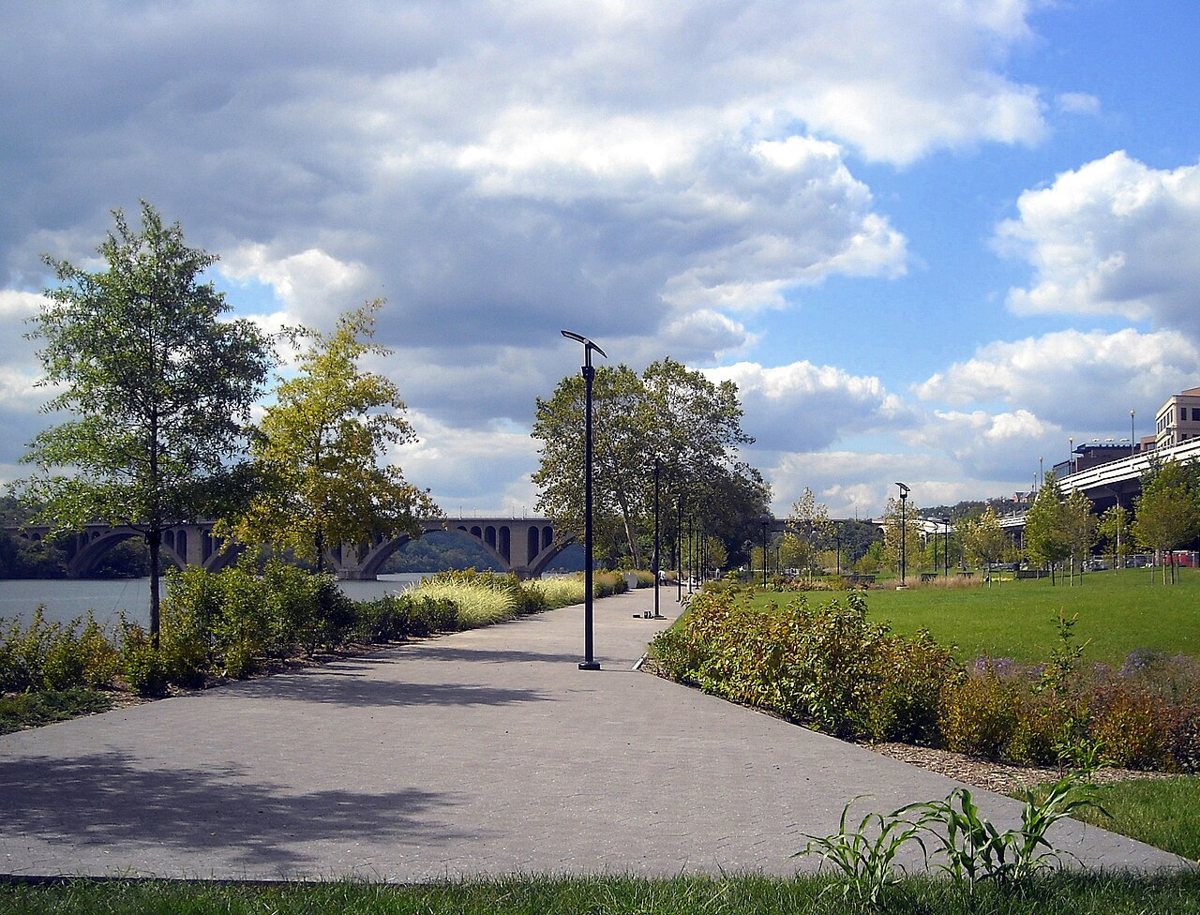
A few blocks upriver, the park itself is a calmer stretch, a ribbon of lawn and paved path between the restaurant row and the water, popular with runners doing the loop toward Roosevelt Island and with families who've claimed a bench for the morning. The restaurants that back onto this stretch tend to be a notch quieter than the Harbour scene, still patio-forward but with fewer crowds pressing in from the plaza side. If you want the water view without the full production, this is where to look, and a table on the park side around nine, before the joggers turn into brunch traffic, is the sweet spot.

M Street: The Main Artery, Historic Bones
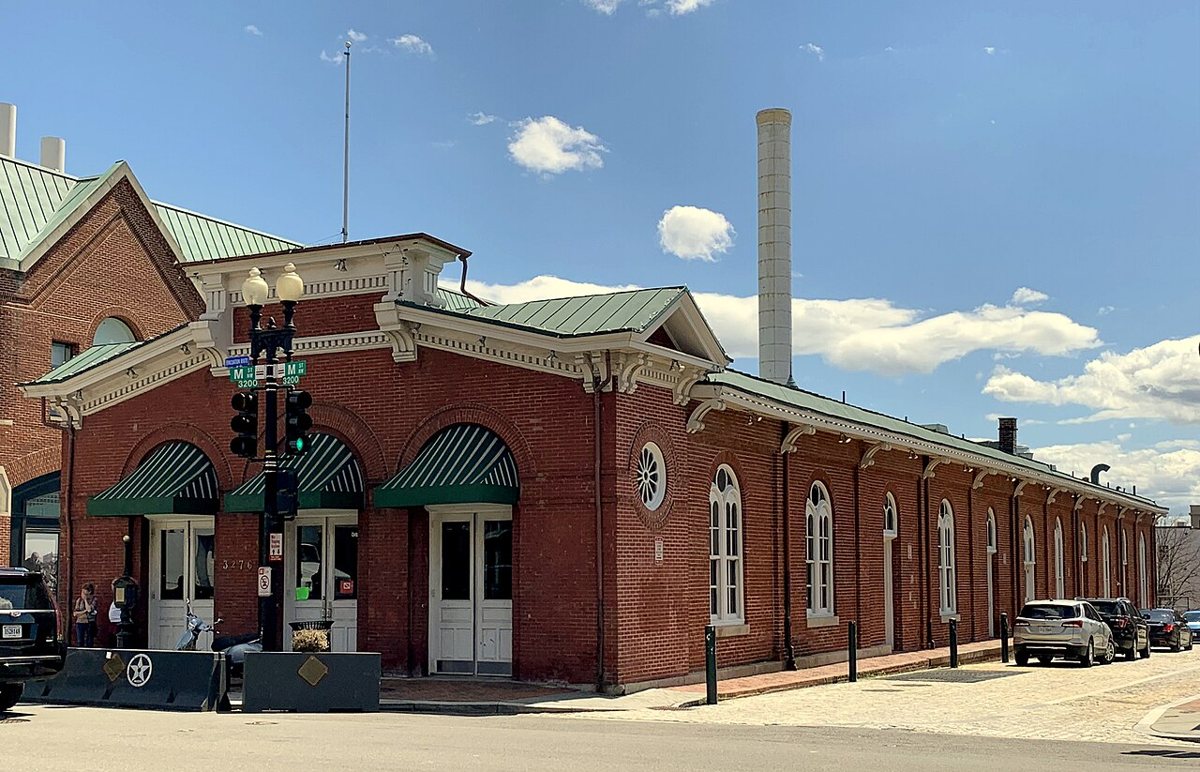
M Street is where Georgetown does its heaviest lifting, retail by day and bar-crawl by night, and brunch here lives in that same in-between zone. The buildings are the real draw as much as anything on the plate: two-and-three-story rowhouses from the eighteenth and nineteenth centuries, deep window bays, the occasional exposed brick interior that used to be a stable or a dry-goods store. Eating brunch on M Street means eating brunch inside a piece of the city's actual history, not a themed version of it.

The oldest surviving structure in the neighborhood sits just off M Street, a small fieldstone house from the 1760s that predates the city of Washington itself. It's a museum now, not a restaurant, but its garden and the block around it are worth a slow pass on the way to wherever you're actually eating. Restaurants near this end of M Street, closer to the canal and the university than to the shopping blocks, tend to skew cozier and less patio-dependent, good options when the waterfront is booked solid or the weather isn't cooperating.


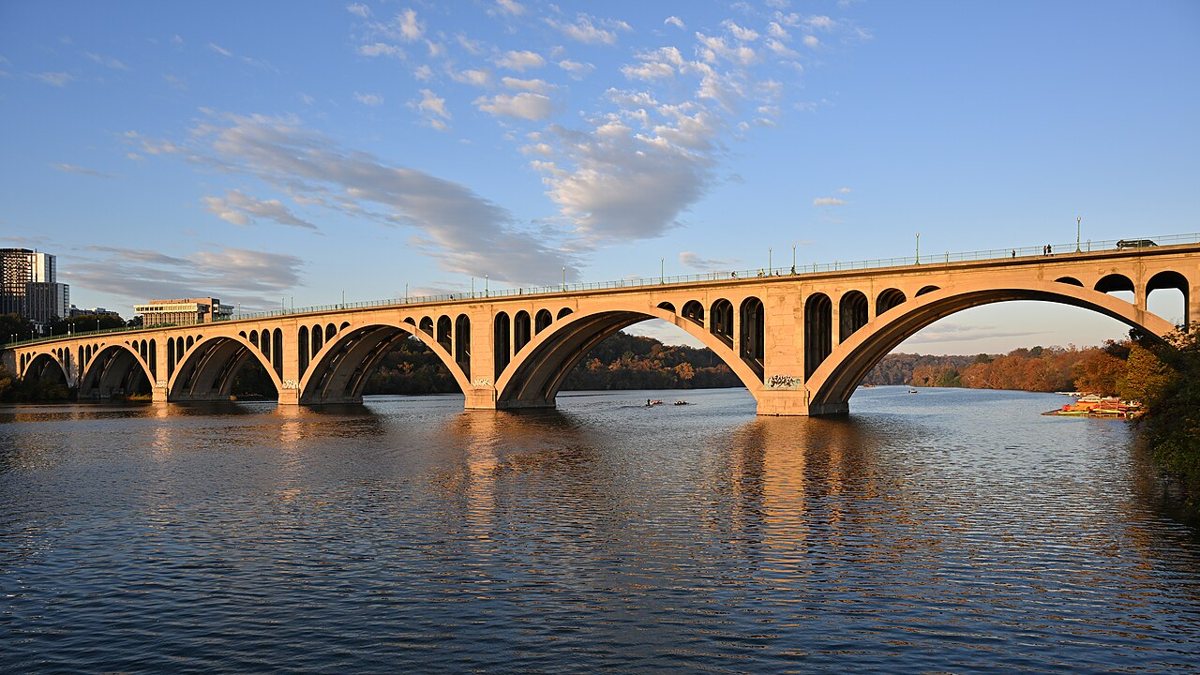
At the far western end, M Street runs out at the bridge that carries traffic and the Custis and Capital Crescent trails across the river into Virginia. It's a landmark worth knowing for orientation more than for brunch itself, since the blocks near the bridge mark the edge of where the restaurant density thins out.

Wisconsin Avenue and the Shopping Corridor
Wisconsin Avenue is Georgetown's other commercial spine, running perpendicular to M Street and carrying most of the neighborhood's retail traffic. Brunch spots along here tend to serve a shopping crowd, which means later, longer seatings and a steadier pace than the turn-and-burn energy near the waterfront. It's also the most walkable stretch for pairing a meal with an actual errand run, since the boutiques and home stores that line the avenue don't open until closer to ten anyway, which lines up neatly with a first seating.
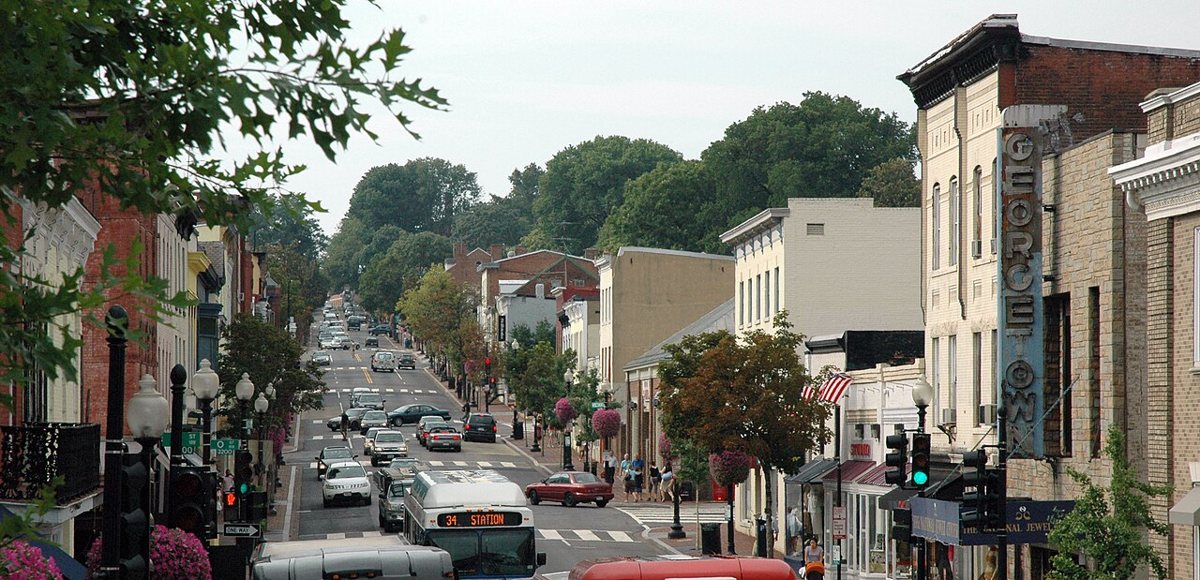

Indoor seating matters more on this stretch than it does on the water, since Wisconsin Avenue doesn't have a river view to sell and the sidewalks can get narrow and shaded depending on the block. Look for restaurants with a genuine dining room rather than a sidewalk cafe setup if you want to actually linger over coffee without feeling like you're in someone's way.
Book Hill and the Quiet Side Streets North of M
North of the shopping corridor, past the antique shops that give Book Hill its name, the neighborhood turns almost entirely residential. Federal rowhouses give way to slightly grander freestanding homes with wrought-iron fences and gardens tucked behind them, and the brunch spots up here are fewer and smaller, often a single dining room with a handful of outdoor tables squeezed onto the sidewalk. Locals actually eat up here on a weekend morning, away from the M Street foot traffic entirely.
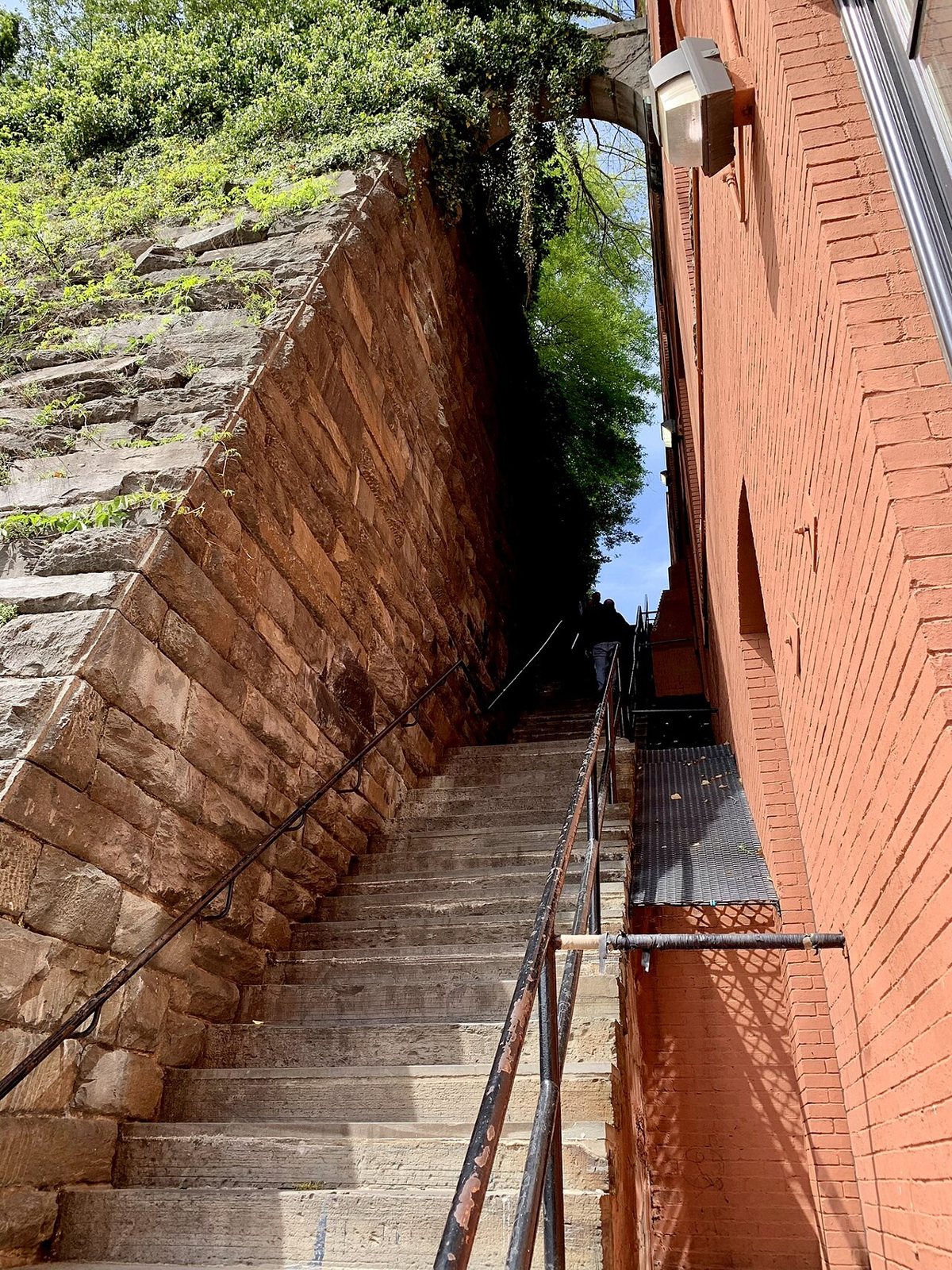
A few blocks south, the steep stone staircase off Prospect Street that made its way into film history draws its own small stream of visitors most mornings, camera phones out, counting steps. It's a five-minute detour, not a destination in itself, but it's a good marker for the boundary between the university-adjacent blocks and the residential streets above them, and a natural stop if you're walking from the canal up toward Book Hill for a quieter table.

Near Georgetown University: Student-Paced Brunch
The blocks closest to the university gates run on an entirely different clock than the rest of the neighborhood. Students trickle in late, so the brunch rush here often doesn't peak until early afternoon, which makes a ten o'clock table one of the easiest gets in the whole neighborhood. Portions tend to run generous and prices a bit gentler than the waterfront, built for a crowd that's budgeting more carefully than the Wisconsin Avenue shoppers.
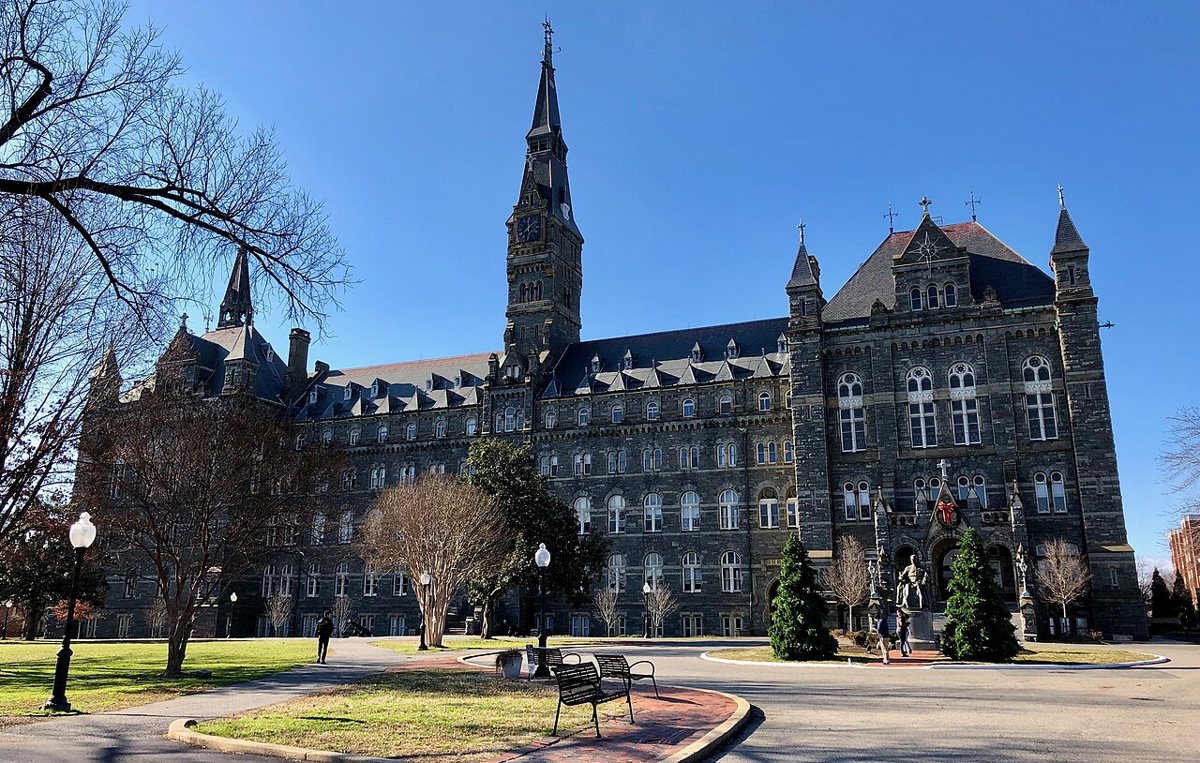

This stretch is also the best bet on a weekend morning during the academic year when parents are in town for a visit, which means reservations disappear fast on those specific weekends even though the rest of the calendar stays relatively open. Ask ahead if you're planning around a known university event.
Bakery-Cafe Brunch: The Grab-and-Sit Option
Not every good Georgetown morning needs a hostess stand and a forty-five-minute wait. The neighborhood has a strong run of bakeries and counter-service cafes, mostly clustered along the side streets between M Street and the canal, where the move is a pastry case, a short menu of egg dishes, and a table you bus yourself. This is the fastest route to a decent meal on a morning when you don't want to plan around a reservation, and it's usually the cheapest brunch option in the neighborhood by a wide margin.
It's also worth knowing the neighborhood's other morning spots regardless of where you end up eating, since the espresso quality at a sit-down brunch spot can be inconsistent even when the food is excellent. A separate coffee stop before or after the meal solves that problem cleanly.
Bottomless Brunch: What You're Actually Signing Up For
Georgetown has its share of bottomless drink packages, mostly concentrated on the waterfront and along the busier stretches of M Street, and they follow a predictable set of rules across the neighborhood. Expect a fixed time limit, usually ninety minutes to two hours, a set food menu rather than full a la carte ordering, and a per-person price that covers unlimited mimosas, bloodys, or a house cocktail rotation. Read the fine print before booking: some venues require the whole table to opt in, and most cut off refills a set number of minutes before your seating ends, so don't plan your last round for the final five minutes.
These packages run heaviest on weekend afternoons rather than early morning, since the crowd chasing bottomless drinks tends to prioritize sleeping in over catching a nine o'clock table. If a quiet meal is the goal, this is exactly the seating to avoid.
Timing It Right: Beating the Tour Buses and the Campus Crowd
Georgetown's crowds are predictable enough to plan around. Tour buses and day-trip traffic typically arrive by mid-morning and build through early afternoon, concentrated almost entirely on M Street and the waterfront. Student traffic near the university skews later, rarely showing up in force before eleven. That leaves a real window, roughly eight to nine-thirty on Saturdays and Sundays, when the neighborhood is mostly locals, dog walkers, and early risers, and tables are easy to get without a reservation almost anywhere in the neighborhood.
After one o'clock, plan on a wait everywhere, particularly along the water and on the M Street blocks between Wisconsin Avenue and 31st Street. Weekday brunch, where it's offered, is a different world entirely, close to empty most mornings outside of the immediate university lunch rush.
The Parking Reality
Say it plainly: Georgetown has no Metro stop, and that shapes every logistics decision for brunch here. The closest stations are Rosslyn, a walk across Key Bridge from the west end of the neighborhood, and Foggy Bottom, a longer walk in from the east. Both are entirely reasonable on a nice morning and often faster than fighting neighborhood traffic by car.
Street parking exists but runs on a two-hour residential permit system most of the day, strictly enforced, and the paid public lots near the waterfront and along Wisconsin Avenue fill early on weekends and charge accordingly. The DC Circulator bus connects Georgetown to Union Station and runs along M Street and Wisconsin Avenue for a low flat fare, and it's a far less stressful option than circling for a spot. If you're driving anyway, arrive before nine or plan to pay for a garage and accept it as part of the cost of the meal.
How to Walk the Whole Morning
The neighborhood rewards a loop rather than a straight line. A workable route starts at the canal towpath for a stretch of quiet before breakfast, drops down to the water for a walk along the waterfront once the sun is up, climbs M Street past the historic storefronts, and finishes with a slower pass up Wisconsin Avenue or into the Book Hill side streets, depending on whether shopping or quiet residential blocks sound better for the second half of the morning. The whole loop runs maybe two miles and covers nearly every version of brunch the neighborhood offers.
Who Georgetown Brunch Is For
Different parts of the neighborhood suit different mornings, and it's worth being honest about which one matches your plan before you book anything.
- Visitors from out of town chasing a view and willing to pay for it: the waterfront, reserved well ahead, ideally before eleven.
- Locals who want a low-key Sunday without a production: Book Hill or the quiet blocks north of M, no reservation required most weeks.
- Anyone budgeting carefully or eating solo: the bakery-cafe route near the canal, or the blocks closest to campus.
- A group celebrating something specific: bottomless packages on M Street or the waterfront, booked as a full table in advance.
- Shoppers building brunch around an afternoon of errands: Wisconsin Avenue, later seating, indoor tables.
Seasons and the Waterfront Calendar
Georgetown brunch swings hard with the seasons, more than a neighborhood built around indoor dining rooms would. Spring and fall are the prime waterfront months, when the patios along the Potomac are the whole point and the weather cooperates for lingering outside over coffee. Those are also the busiest weekends of the year down by the water, so the reservation math gets harder exactly when the outdoor seating gets best.
Summer brings heat and humidity that can make a midday patio miserable by noon, which is one more argument for the early seating. Cherry blossom season pulls extra crowds across the whole city, and while the famous trees are downriver at the Tidal Basin rather than in Georgetown itself, the spillover reaches the neighborhood's restaurants and parking both. Winter empties the waterfront out and pushes everything indoors, which makes it the easiest time to walk into a table on M Street or up on Wisconsin Avenue without planning ahead.
Tipping, Etiquette, and the Check
A few practical notes save friction at the end of the meal. Standard tipping runs the same here as anywhere in the city, and larger parties should look for an automatic gratuity already added before tipping again on top of it. Bottomless packages usually calculate the suggested tip on the full pre-package menu price rather than a discounted one, so read the bottom of the check before you sign. Splitting a bill across a big group is easier if you tell the server before you order rather than after, since some of the busier waterfront kitchens are strict about how many cards they'll run per table on a packed Sunday.
The Bottom Line
Georgetown brunch works best when you stop treating it as one thing. The neighborhood has water views for people who want to pay for them, quiet residential blocks for people who don't, a student-paced corridor near the university that runs cheaper and later than everywhere else, and a canal towpath that's worth walking whether or not you're hungry yet. The best brunch in Georgetown isn't a single table, it's whichever one of these versions matches the morning you're actually trying to have, timed early enough to beat the buses and the campus crowd both. Skip the car if you can, walk the loop, and let the neighborhood's real character, the one that has nothing to do with being a backdrop for anything else in this city, do the rest.