Best Parks in Washington Dc You Shouldn't Miss
East of the river, up the C&O towpath, or three blocks from your Columbia Heights apartment: DC's best parks were built by people who actually live here, not by people planning a motorcade route.
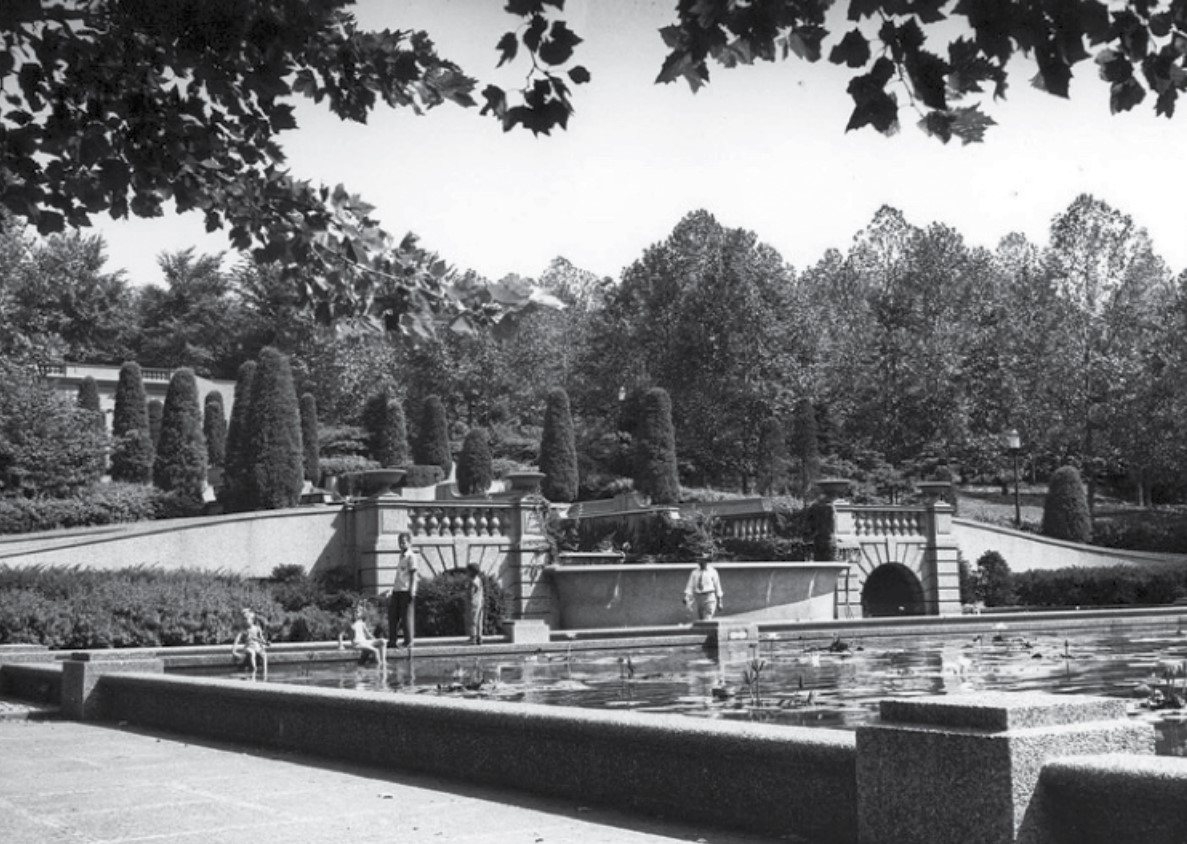

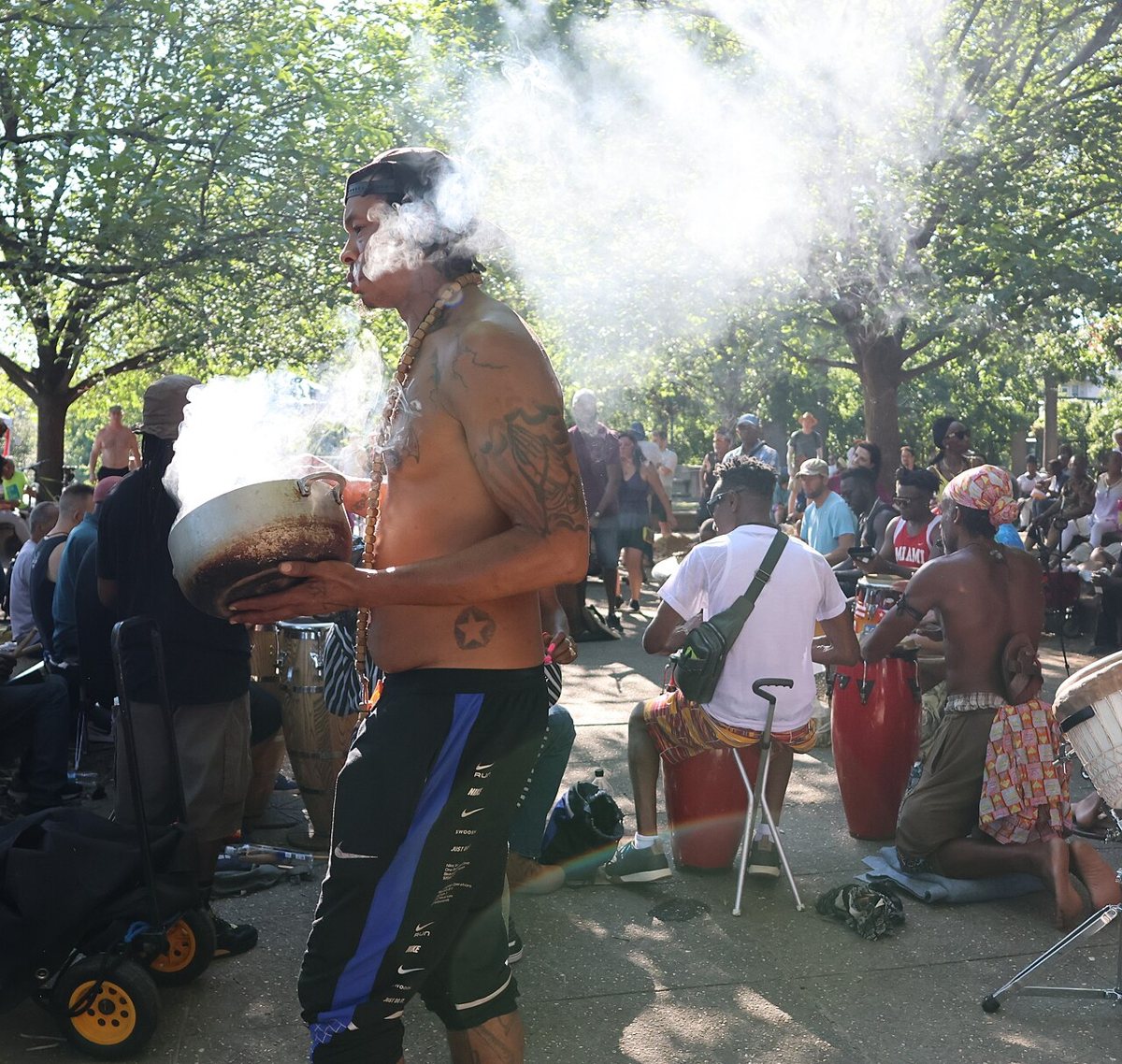
On a Saturday morning in July, the drum circle at Meridian Hill Park is already three songs deep by 10 a.m. Somebody's grandmother has a folding chair set up near the fountain terraces, a toddler is chasing pigeons across the great lawn, and a guy in Carhartts is doing pull-ups on a tree branch like it's his personal gym. Nobody here is thinking about the Capitol dome four blocks south. It's Ward 1 on a weekend, and it has nothing to do with anything you'd see on cable news.
That's the thing about the best parks in Washington DC: the ones that matter to the people who live here are almost never the ones tourists photograph. The city has more park acreage per resident than almost any other in the country, and most of it sits in neighborhoods that never make the postcards, Anacostia, Petworth, Shaw, Fort Dupont. What follows is a ward-by-ward, type-by-type accounting of the parks worth your actual time, organized the way a resident would explain it to a friend who just moved here, not the way a tour bus would.
The Best Parks in Washington DC Start With the Big Ones
Rock Creek Park
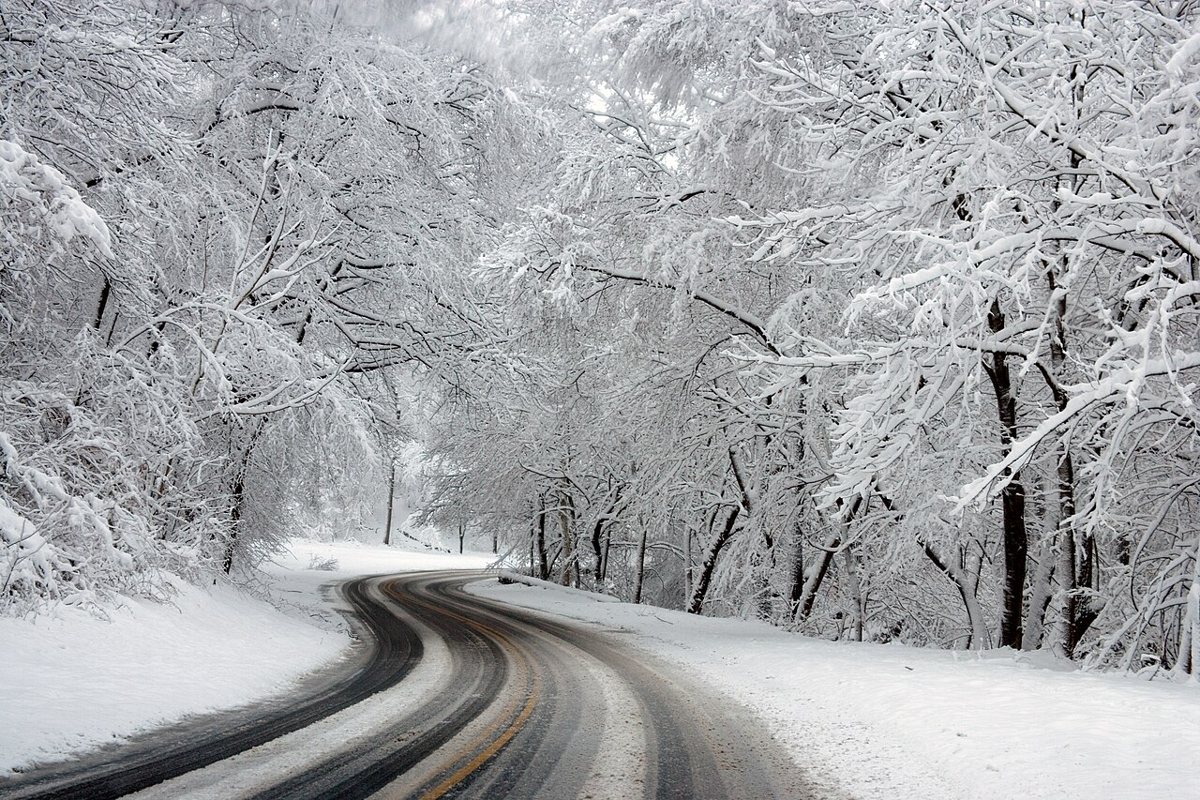
Rock Creek Park cuts a green corridor through the middle of the city, from the Maryland line down through Ward 3 and Ward 1 to the Potomac, and it's easy to forget you're still inside DC once you're a quarter mile in on one of the wooded trails. This is a national park in the technical sense, administered by the National Park Service, but functionally it's the city's backyard: joggers on the Beach Drive loop on weekend mornings when the road closes to cars, mountain bikers on the fire roads, families at the Rock Creek Nature Center and Planetarium, and enough tennis courts and ballfields scattered through the valley to serve half the city. The insider move is parking near the Nature Center off Military Road and picking up the Western Ridge Trail south, which stays shaded even in August. Locals treat the Beach Drive car-free weekends as sacred; check current closure schedules before you go, since they shift seasonally.

The U.S. National Arboretum
The National Arboretum sits off New York Avenue in Northeast, closer to Ward 5's industrial corridor than to anything scenic, which is exactly why first-time visitors are always stunned by what's inside the gates: 400-plus acres of planted collections, the National Bonsai and Penjing Museum, and the famous Capitol Columns, twenty-two Corinthian columns pulled from the actual U.S. Capitol building and replanted in a field like ancient ruins. Azalea season in spring draws real crowds, but the arboretum rewards a slow drive or bike ride through the collections any time of year, the National Herb Garden and the Asian Collections in particular go overlooked. Bring a car or a bike; the site is too spread out to walk comfortably end to end, and the entrances aren't well served by Metro.

Anacostia Park
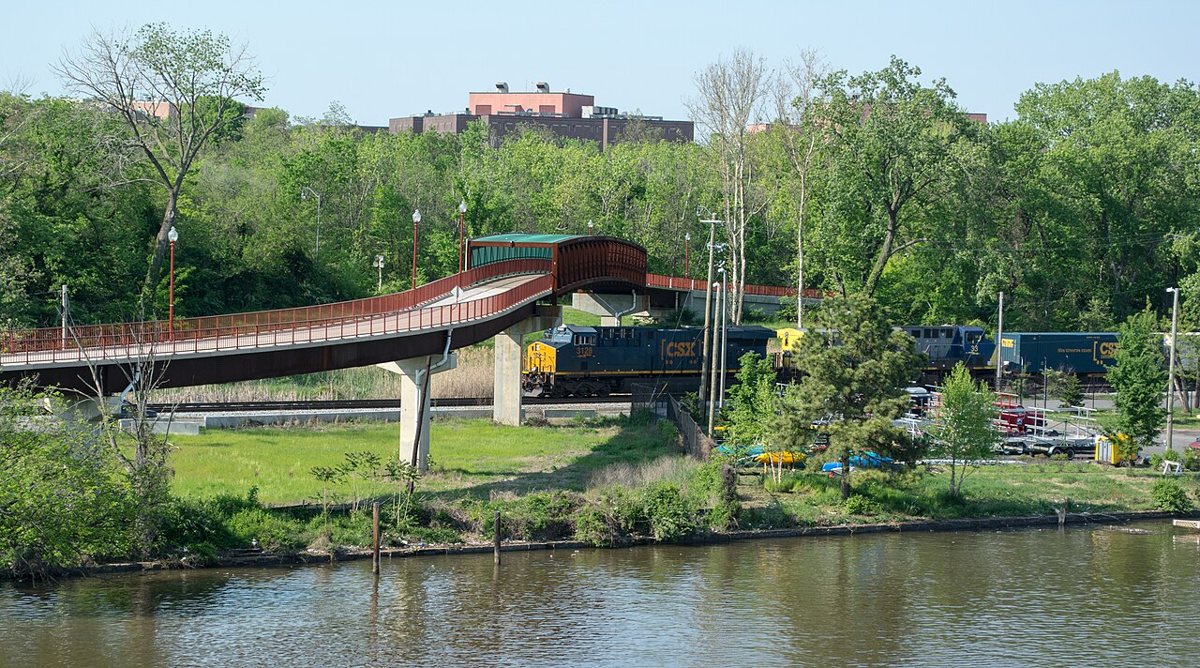
Anacostia Park runs for miles along the river's east bank, through Wards 7 and 8, and it gets left off far too many lists of the best parks in Washington DC despite being one of the largest green spaces the city has. The roller skating pavilion here has been a community fixture for generations, with regular public sessions that draw skaters of serious skill, not just beginners. There's a splash pool for kids in summer, miles of paved riverfront trail connecting to the Anacostia Riverwalk Trail network, and open fields that host youth football and soccer leagues most weekends. The insider tip: come for a Sunday skate session at the pavilion and you'll understand more about DC's actual culture than a week of monument-hopping would teach you. This is Black DC's park in the fullest sense, and treating it as an afterthought is a mistake outsiders make constantly.

Fort Dupont Park
Fort Dupont Park, also east of the river in Ward 7, holds the earthwork remains of a Civil War-era fort and several hundred acres of forest that most of DC never sets foot in. The summer concert series at the Fort Dupont Summer Theatre has brought go-go and jazz acts to the park for decades, and the ice skating rink draws families through the winter. Trails here connect into the larger Fort Circle Parks system, a chain of Civil War fortifications stitched together across the city's high ground, and hiking the connector trails between forts is a genuinely underused way to see a slice of DC most residents on the other side of the river have never walked.
Waterfront and Island Escapes
Kenilworth Park and Aquatic Gardens
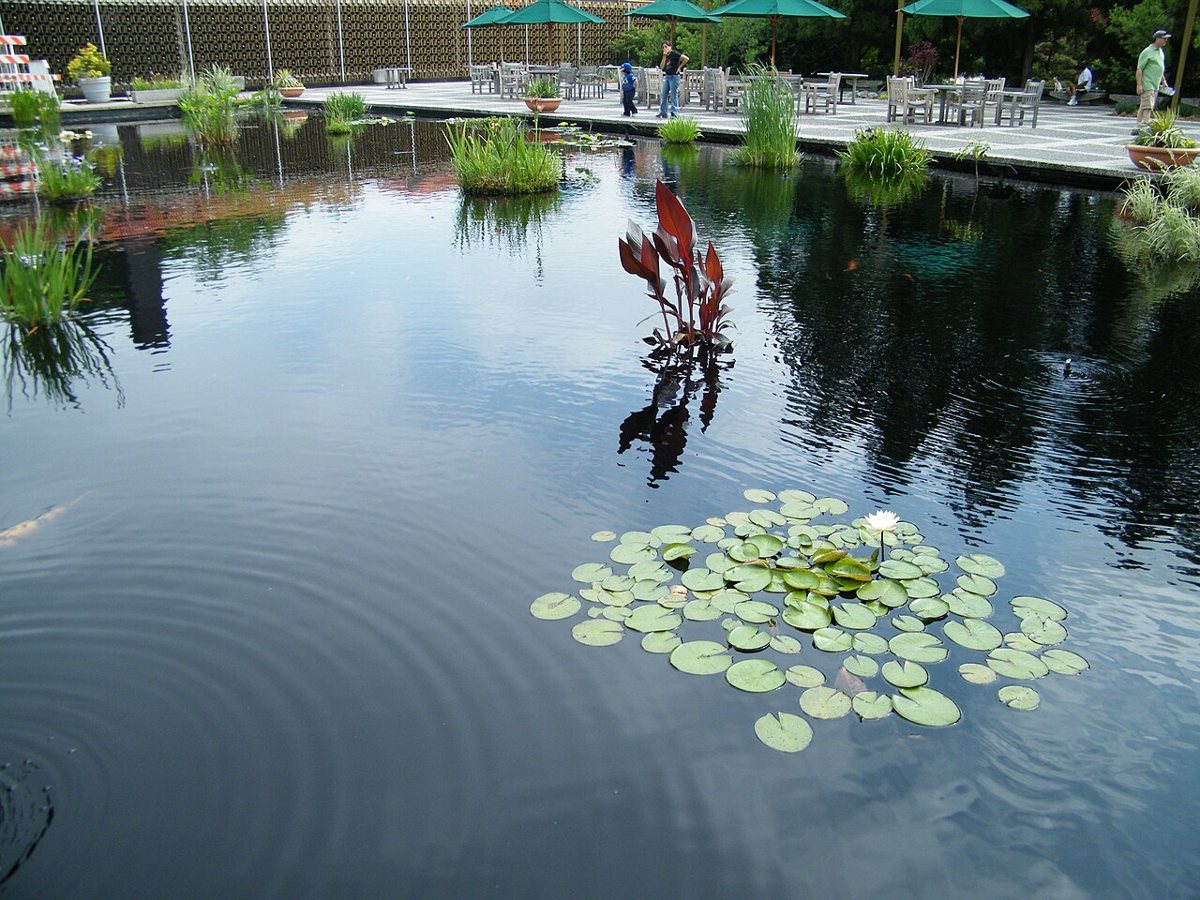
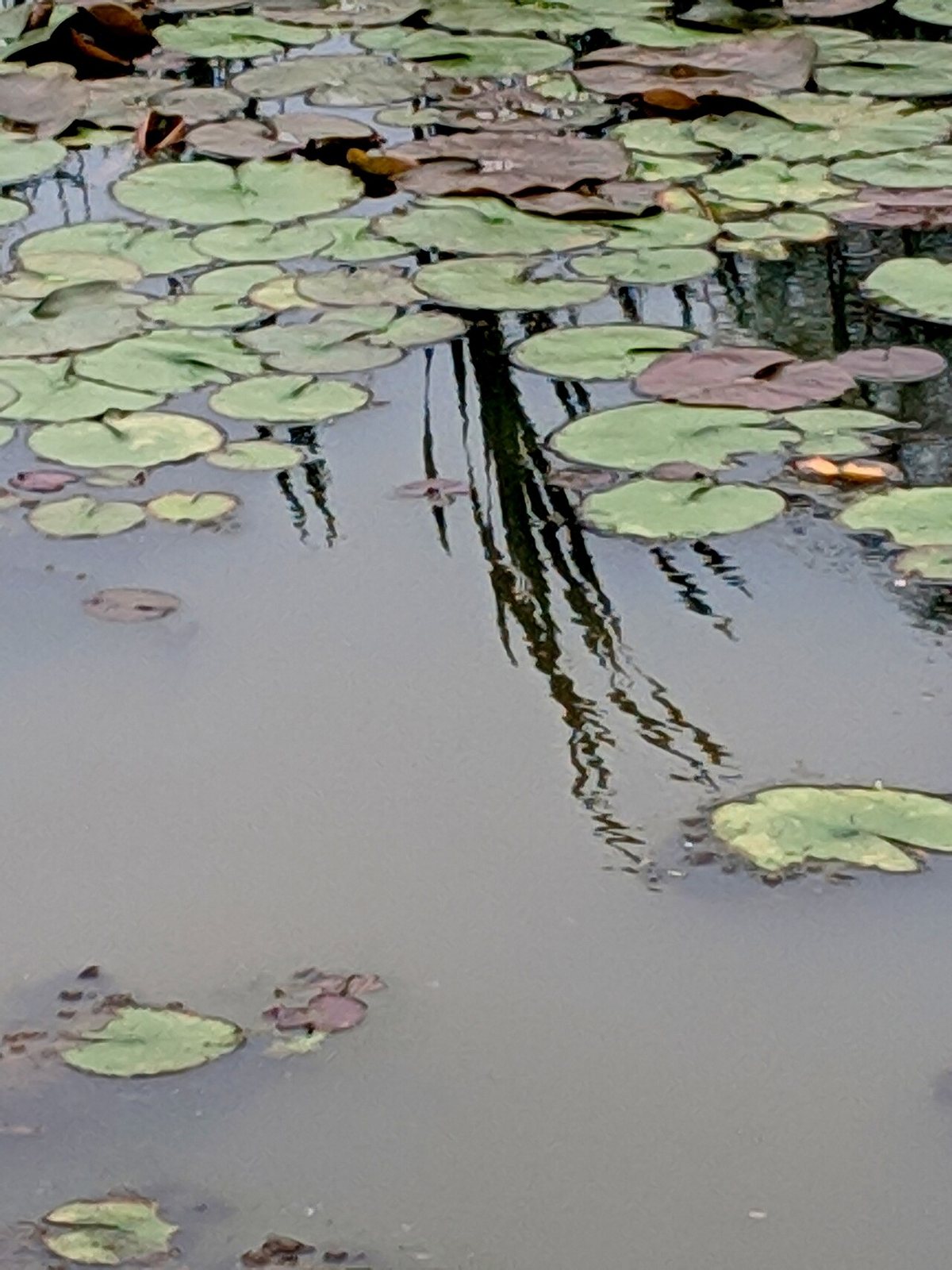
Kenilworth Aquatic Gardens, tucked along the Anacostia River in Ward 7, is the only National Park Service site dedicated to water-loving plants, and in July and August the ponds fill with lotus blossoms taller than a person and lily pads wide enough to hold a toddler. It started as a private water-lily farm in the 1880s before the federal government took it over, and the boardwalks threading between the ponds still feel more like a secret than a tourist stop, even though it's completely free and open to the public. Go early on a summer morning, before the heat sets in, when the lotus flowers are freshest and the light on the water is best for photos. Pair it with a walk along the adjacent Kenilworth Marsh, one of the last tidal wetlands left in the city.

Yards Park
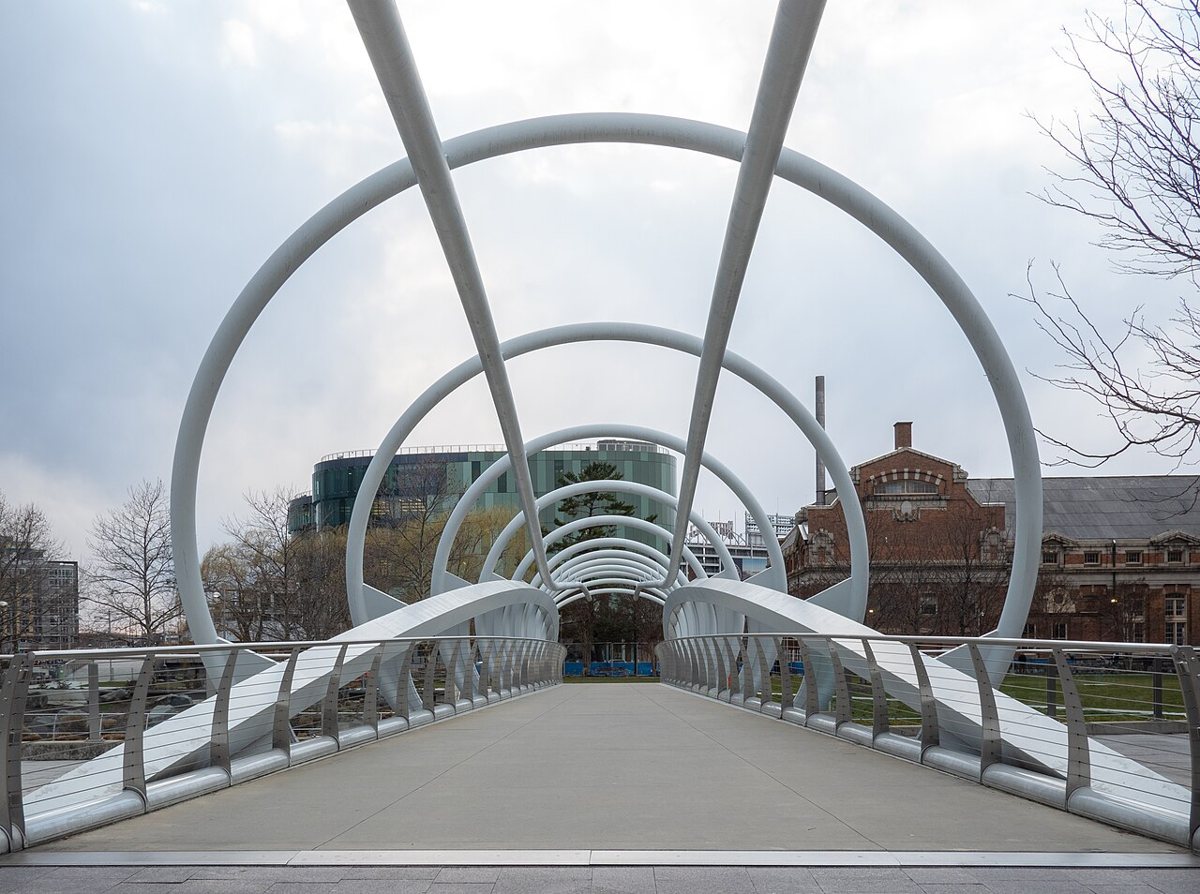
Yards Park sits along the Anacostia riverfront in Near Southeast, next to Nationals Park, and it's the rare example of a redeveloped waterfront that didn't get sanitized into blandness. The wooden boardwalk, the wading pool that fills with kids all summer, and the lawn that hosts free outdoor movie nights make it a genuine neighborhood hangout, not just a backdrop for condo marketing. Come on a game night and the park fills with fans grabbing a drink before first pitch; come on a Tuesday afternoon and it's just neighborhood parents and their kids in the splash pad.

Theodore Roosevelt Island
Theodore Roosevelt Island floats in the Potomac between Georgetown and Rosslyn, reachable only by a footbridge from the Virginia side, which keeps the crowds thinner than almost anywhere else this close to downtown. The swamp boardwalk on the island's north side is the real draw, a raised wooden path through a genuine tidal marsh where herons and turtles show up more reliably than tourists. It's a strange, quiet pocket of wilderness practically underneath the flight path to Reagan National, and it's one of the better places in the city to feel briefly outside of it entirely.
Kingman and Heritage Islands
Kingman and Heritage Islands sit in the Anacostia River near RFK Stadium, connected to the mainland by a footbridge and largely unknown even to longtime residents. The islands function as an environmental education site with restored wetlands, walking trails, and some of the best birdwatching in the city, all a ten-minute walk from the H Street corridor. There's no admission fee and rarely more than a handful of other visitors, which makes it one of the closest things DC has to genuine solitude within the District line.
The C&O Canal Towpath and Georgetown Waterfront Park
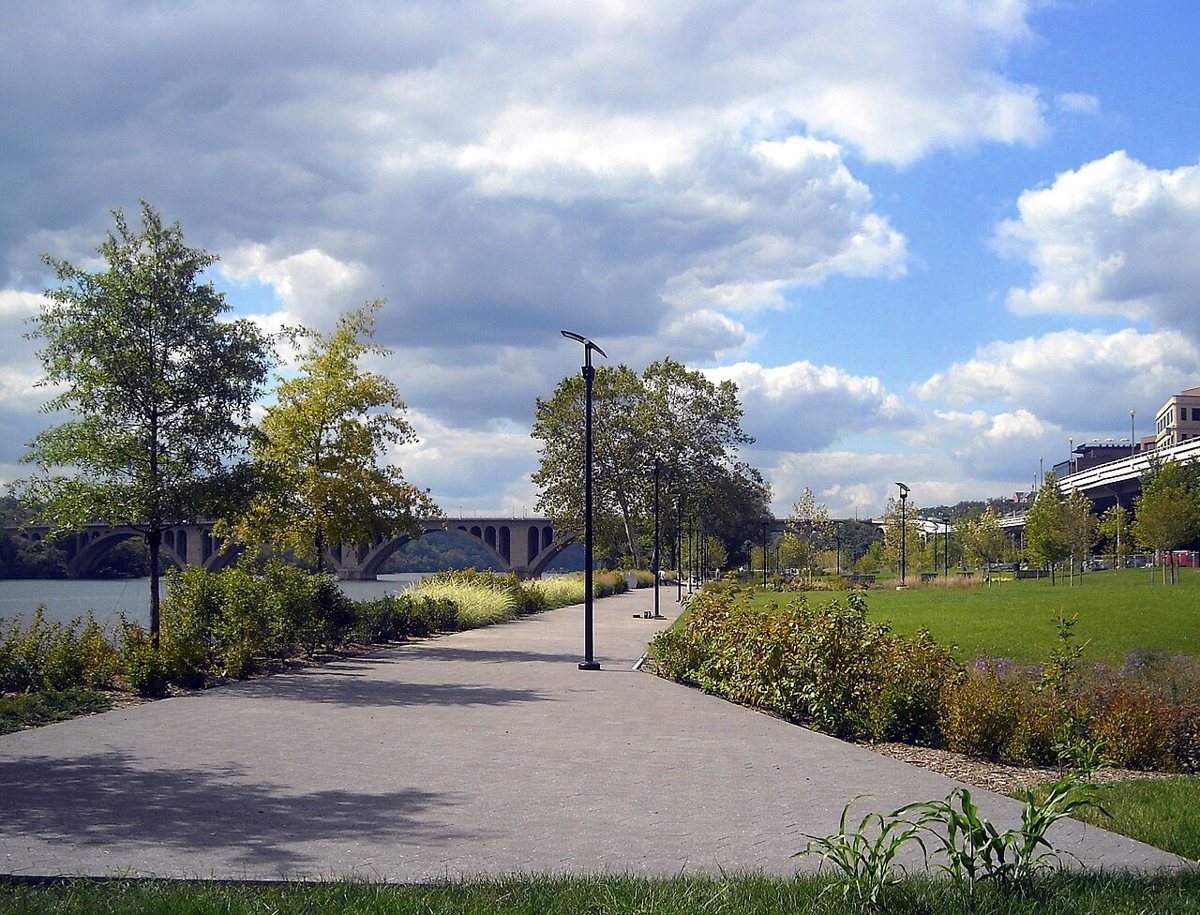
The C&O Canal towpath starts in Georgetown and runs unbroken for 184.5 miles to Cumberland, Maryland, but you don't need to go anywhere near that far to get the benefit. The stretch through Georgetown, alongside Georgetown Waterfront Park, gives runners and cyclists flat, shaded miles along the old canal while paddleboarders and kayakers work the Potomac just below. Georgetown Waterfront Park itself has a fountain plaza that turns into an informal splash pad for kids in summer and a boat launch that rents kayaks and paddleboards by the hour. Skip the crowded cobblestone shopping streets above and head straight for the water; it's the better version of a Georgetown visit.

Capitol Hill's Green Squares
Lincoln Park
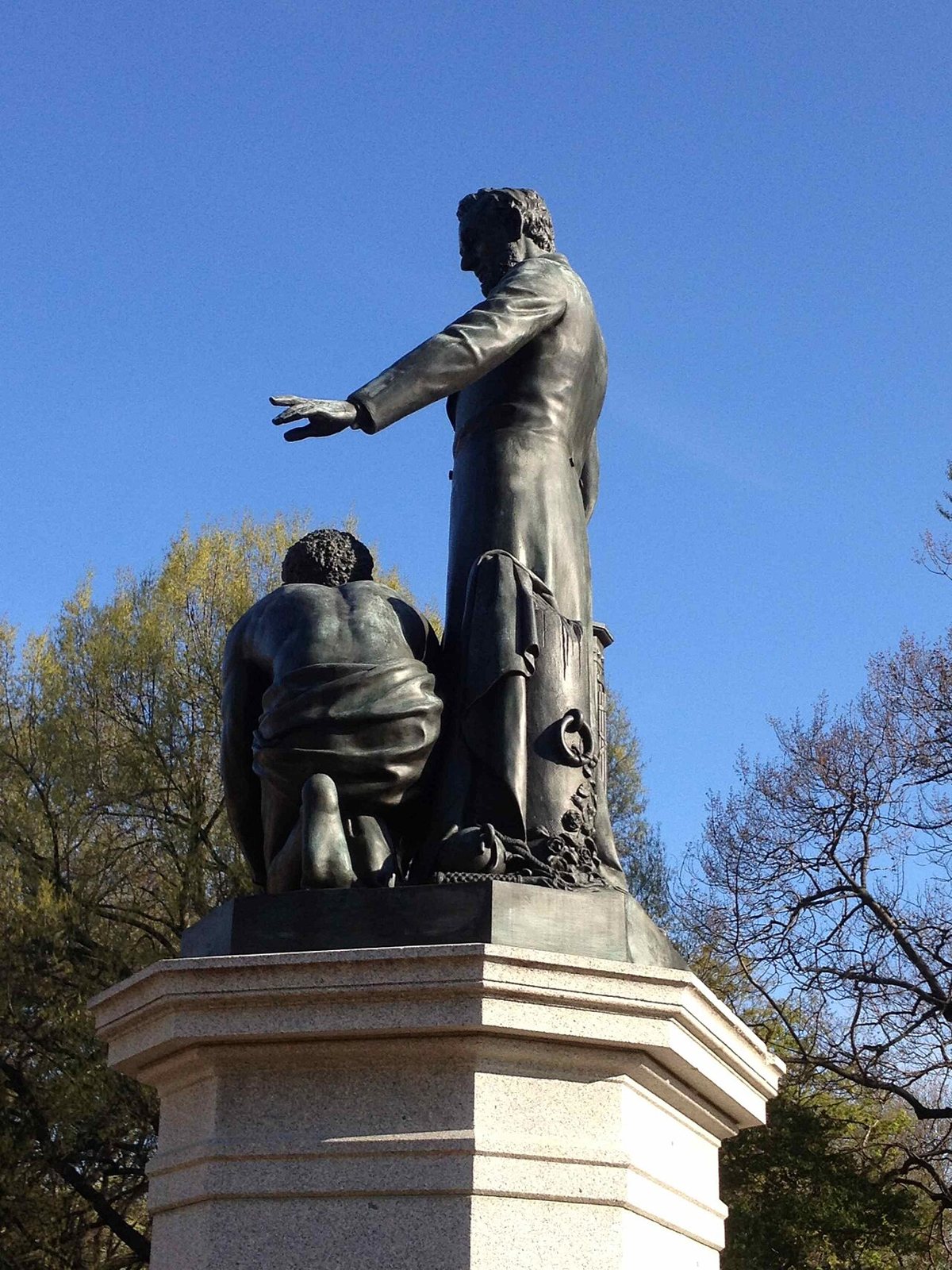
Lincoln Park anchors the residential heart of Capitol Hill, a long rectangular green stretching between 11th and 13th Streets SE, ringed by rowhouses and shaded by mature trees that make it one of the more pleasant places in the ward to sit with a book. It holds the Emancipation Memorial and the newer Mary McLeod Bethune Memorial, and it functions as the neighborhood's living room: dog owners in the morning, kids on the playground through the afternoon, and a steady rotation of picnic blankets on summer evenings. It's a five-minute walk from Eastern Market, so pair a visit with breakfast there before the crowds show up.

Stanton Park
Stanton Park, a few blocks northwest of Lincoln Park, is smaller and quieter, a classic L'Enfant-era square with a statue of General Nathanael Greene at its center and a playground that draws Capitol Hill families on a near-daily basis. It's the kind of park that doesn't show up in any guidebook because it isn't trying to be a destination, it's just a well-kept neighborhood square doing exactly what it's supposed to do.
Neighborhood Parks Worth the Detour
Meridian Hill Park (Malcolm X Park)
Meridian Hill Park, known to most residents as Malcolm X Park, sits in Ward 1 between Columbia Heights and Adams Morgan, and the Sunday drum circle that's run continuously since the 1960s is one of the longest-standing traditions in the city. The park's cascading fountain, thirteen basins stepping down the hillside, is a rare piece of genuinely grand public design outside the monument core, and the upper terrace lawn fills with picnics, pickup soccer, and slacklining crews on any warm weekend. Show up Sunday afternoon for the drum circle if you want to feel the neighborhood's actual pulse; show up on a weekday morning if you just want the fountains to yourself.

Franklin Park
Franklin Park downtown reopened several years ago after a major renovation that turned a once-troubled square into one of the more genuinely useful urban parks in the city, with a splash pad, a dog run, and a pavilion that hosts food trucks and public programming through the warmer months. It's the rare downtown park built for actual daily use, office workers eating lunch, downtown residents walking dogs, rather than as scenery.
Kalorama Park
Kalorama Park sits between Adams Morgan and the Kalorama neighborhood, small and unpretentious, with a dog park that's become the de facto community center for that stretch of Ward 1. It's not a destination in itself, but it's a good reminder that some of the best parks in Washington DC are simply the ones a few blocks from home that get used every single day.
Fort Reno Park
Fort Reno Park, near Tenleytown in upper Northwest, sits on the highest natural point in the city and hosted a legendary free summer concert series for decades that turned generations of DC teenagers on to punk and indie rock. The concerts have had off years, so check current status before planning around them, but the park itself remains one of the best spots in the city for an actual view, on a clear day you can see toward Virginia over the treeline. It also holds real Civil War fortification remains, part of the same Fort Circle network as Fort Dupont.
Dumbarton Oaks Park and Glover-Archbold Park
Dumbarton Oaks Park, the wilder, naturalistic sibling of the manicured formal gardens next door in Georgetown, follows a stream valley through informally landscaped woods that feel a world away from the buttoned-up estate gardens most visitors come for. A little further west, Glover-Archbold Park cuts a narrow forested ravine through upper Northwest from Van Ness down toward the Potomac, a genuine hiking trail inside city limits that most Washingtonians who don't live nearby have never walked. Both reward people willing to trade a manicured lawn for actual tree cover and quiet.

Getting Around, Timing It Right, and What's Actually Free
Nearly every park on this list is free to enter, all day, every day, DC's park system runs almost entirely without admission fees, which is not something every American city can say. Metro gets you close to most of these: the Green and Yellow Lines serve Anacostia Park and Navy Yard near Yards Park, the Red Line serves upper Rock Creek Park and Fort Reno, and Capitol Hill's squares are all walkable from Eastern Market station. East-of-the-river sites like Fort Dupont and Kenilworth are easier by car or bike, since bus service, while it exists, runs less frequently than Metro.
- Early mornings beat afternoons for the Arboretum, Kenilworth, and Rock Creek in summer, when both heat and crowds build fast.
- Weekend car-free stretches on Rock Creek's Beach Drive are worth planning a bike trip around; confirm current closure days before you go.
- East-of-the-river parks like Anacostia and Fort Dupont host regular community events, so it's worth checking each site's current calendar rather than assuming a fixed schedule.
- Bring water in summer. Shade is inconsistent at the waterfront parks, and fountains for refilling bottles are not universal.
What This Says About the City
A city's park system tells you who it was built for. DC's tells you that whoever plotted this out understood parks as infrastructure for daily life, not ornamentation for a skyline. The neighborhood squares on Capitol Hill exist because rowhouse blocks need a shared yard. Anacostia Park exists at the scale it does because Wards 7 and 8 deserve riverfront the same as Georgetown does, even if the city has historically underfunded and under-promoted it. If you're building an itinerary around things to do around town, skip straight past the idea that green space here is an accessory to the monuments. It isn't. It's the actual city, doing what actual cities do on a Saturday, and if you want to see the other side of that daily life, grab a weekend brunch spot near whichever park you pick and watch the neighborhood show up around you.