Best Museums in Washington DC for 2026
The Smithsonian's free Mall museums are only half the story. DC's real museum culture runs through Dupont Circle, Judiciary Square, and Ward 8.

On a Saturday morning in Ward 8, a line forms outside the Anacostia Community Museum before the doors even open, mostly families who walked over from the rec center or drove down from Hillcrest, here for a hands-on program on local Black history that has nothing to do with a marble building three miles north. That's the museum scene locals actually live in, and it barely overlaps with the postcard version of this city. Ask ten Washingtonians for the best museums in Washington DC and you'll get ten different answers, because this is a city of eight wards with its own art scene, its own Black cultural institutions, and a museum habit that has almost nothing to do with tourist itineraries built around the Mall. This guide covers the Smithsonian heavyweights, yes, but it spends just as much time in Dupont Circle, Judiciary Square, and east of the Anacostia River, because that's where the city's actual museum culture lives.
DC's museum density is unusual for a city this size, and it's easy to see why the coverage keeps defaulting to a handful of famous names. A dozen major institutions sit within a fifteen-minute walk of each other along the Mall corridor, and most of them charge nothing at the door. That combination doesn't exist anywhere else in the country. But the free federal cluster is only one layer of what's actually here, and a guide that stops at the Mall's edge is describing maybe half the city's museum life. The other half runs through rowhouse-scale art museums, a converted federal Pension Building, and an institution in Ward 8 that was built by and for a specific neighborhood decades before anyone was talking about representation in museum programming. Locals move between both halves without much thought. Visitors rarely get pointed toward the second half at all, which is the gap this guide is trying to close.
The Best Museums in Washington DC, Organized the Way Locals Actually Visit Them
Split this list two ways. First, the National Mall cluster, where the Smithsonian runs a string of free federal museums that anchor most first-time visits and plenty of local weekend outings too. Second, everything off the Mall: art museums in old downtown buildings, a converted Pension Building, and a community museum east of the river that predates most of the Mall's modern wings. Both halves matter. Skipping the second half is how out-of-town coverage keeps flattening a 700,000-person city into a backdrop for federal buildings, which is exactly the trap this guide is built to avoid.
On the Mall: National Gallery of Art
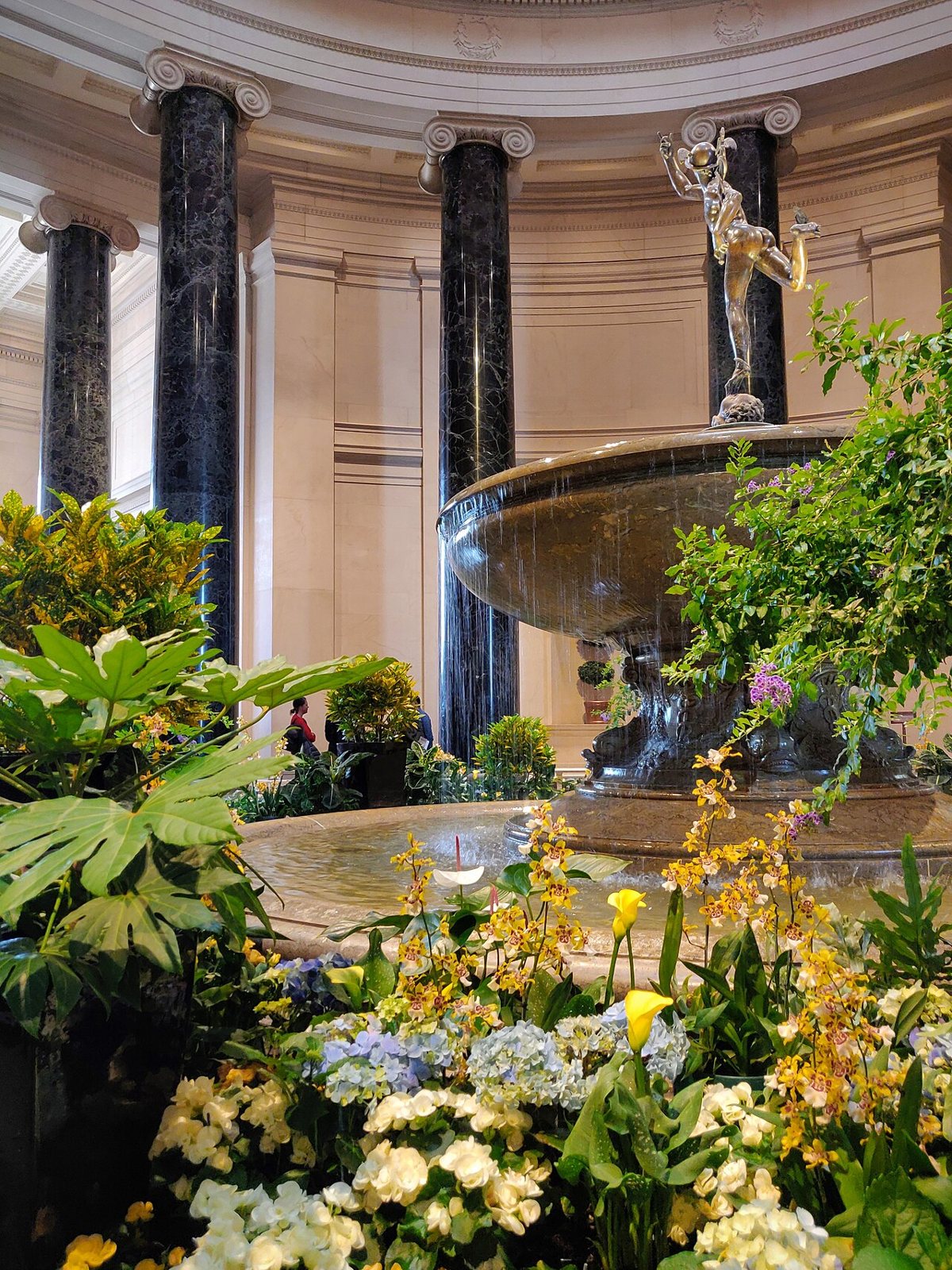
The National Gallery of Art sits on the north side of the Mall between the Capitol and the Smithsonian castle, split into a West Building with a marble rotunda and vaulted ceilings, and an East Building with I.M. Pei's angular modern galleries. The West Building holds the only Leonardo da Vinci painting in the Americas along with deep collections of European painting from the medieval period through the 19th century. The East Building is where the 20th century lives, with major Rothko and Calder rooms alongside Pollock, and a rotating slate of contemporary shows. An underground concourse with a moving walkway connects the two, which locals use constantly to dodge weather. Time your visit for a weekday morning if you want the West Building's Vermeer room to yourself. It sits mostly in Ward 6, right at the edge of Ward 2.

On the Mall: National Air and Space Museum
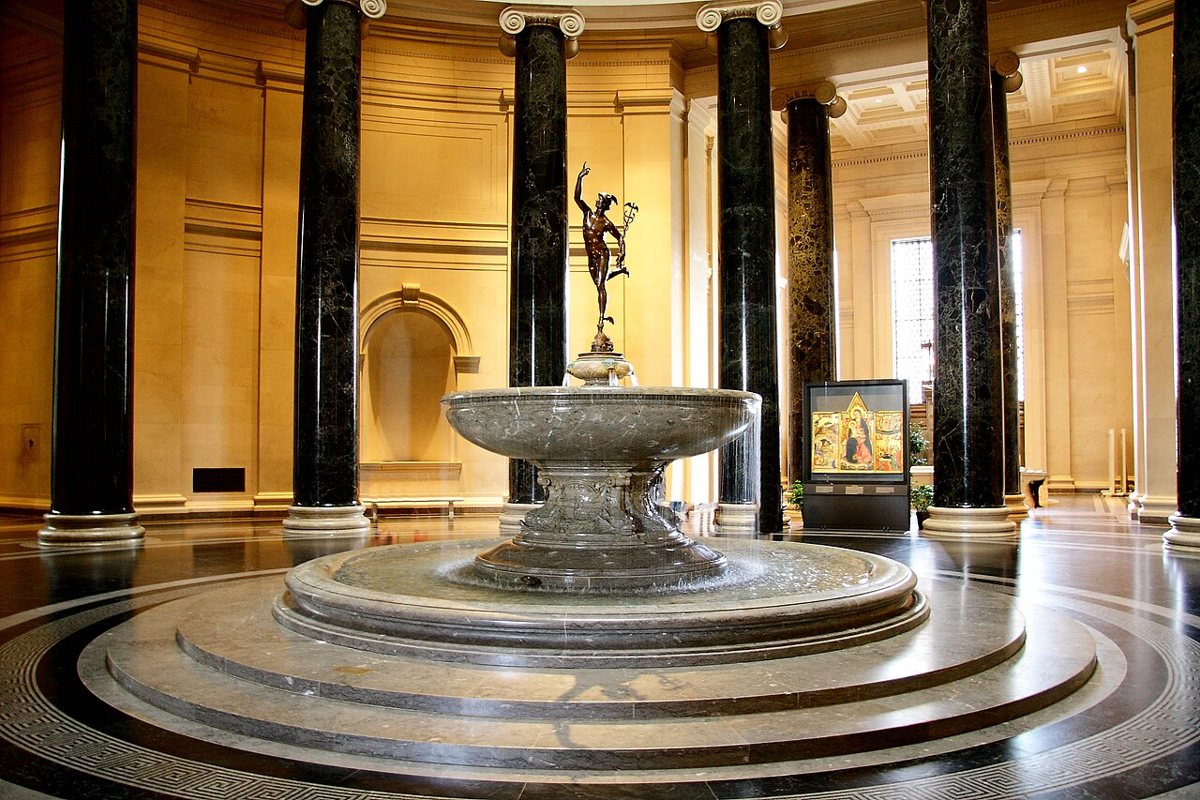
The National Air and Space Museum, on Independence Avenue in Ward 6, reopened its main building in phases after a multiyear renovation and now presents its aircraft and spacecraft in redesigned galleries that trace flight from the Wright brothers through the space race. The Wright Flyer, the Spirit of St. Louis, and lunar module hardware anchor the collection, and a planetarium runs shows for an added ticket. This is the single most crowd-heavy Smithsonian building on most days, so an early entry or a weekday visit buys real breathing room. Families with kids gravitate here first, which means midday on a weekend is the worst possible window if quiet galleries matter to you.

On the Mall: National Museum of Natural History
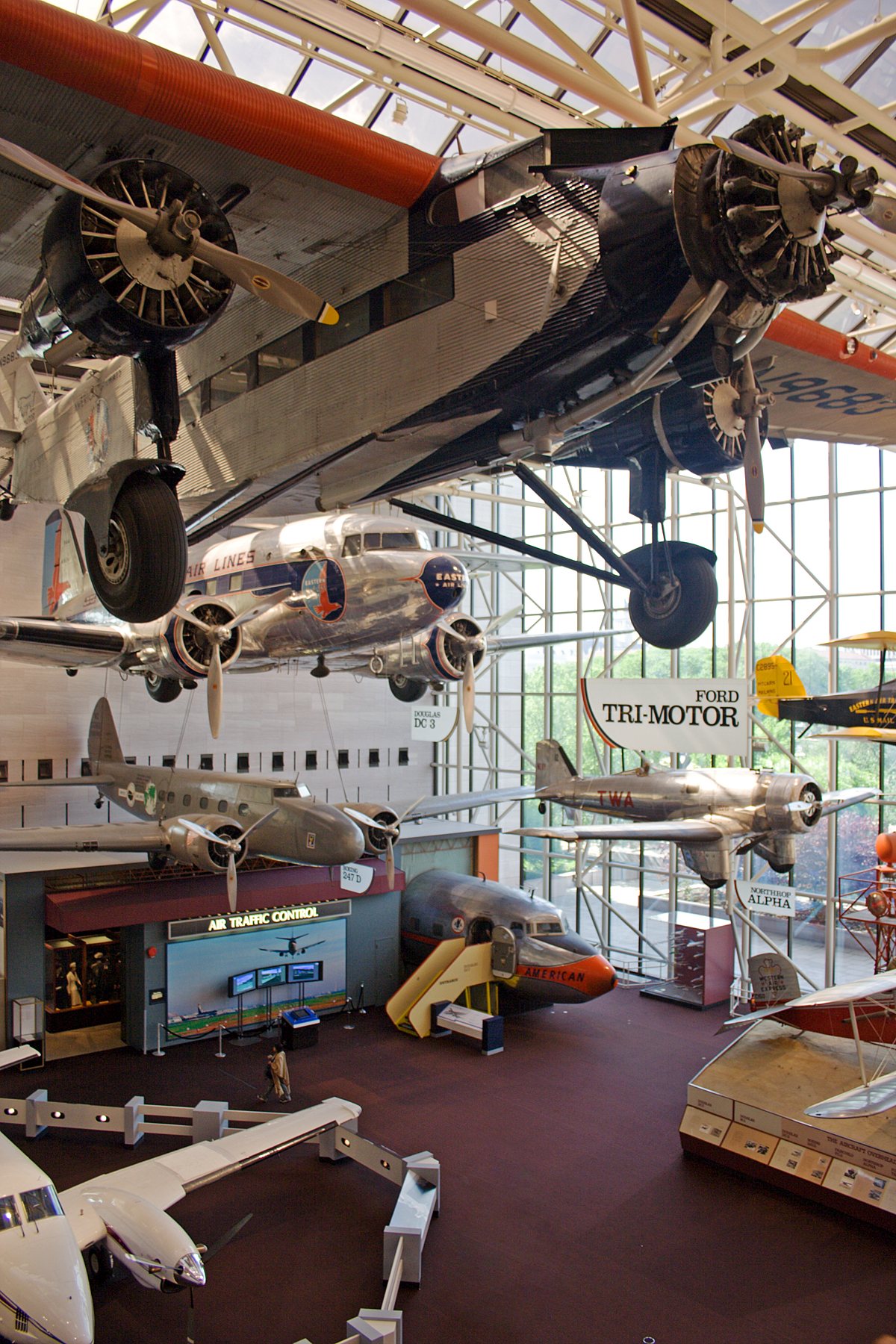
The National Museum of Natural History faces the National Gallery across the Mall's central lawn and holds one of the largest natural history collections on the planet, including the Hope Diamond, a full-size mounted African bush elephant in the rotunda, and an ocean hall with a suspended right whale model. The dinosaur and fossil hall reopened after a major renovation with updated science on how these animals actually lived. Because it draws school groups on weekday mornings during the academic year, a weekend or a school-holiday weekday can sometimes run lighter, and the building's size means crowds spread out more than at Air and Space. It sits in Ward 2, on the north side of the Mall.

On the Mall: National Museum of American History
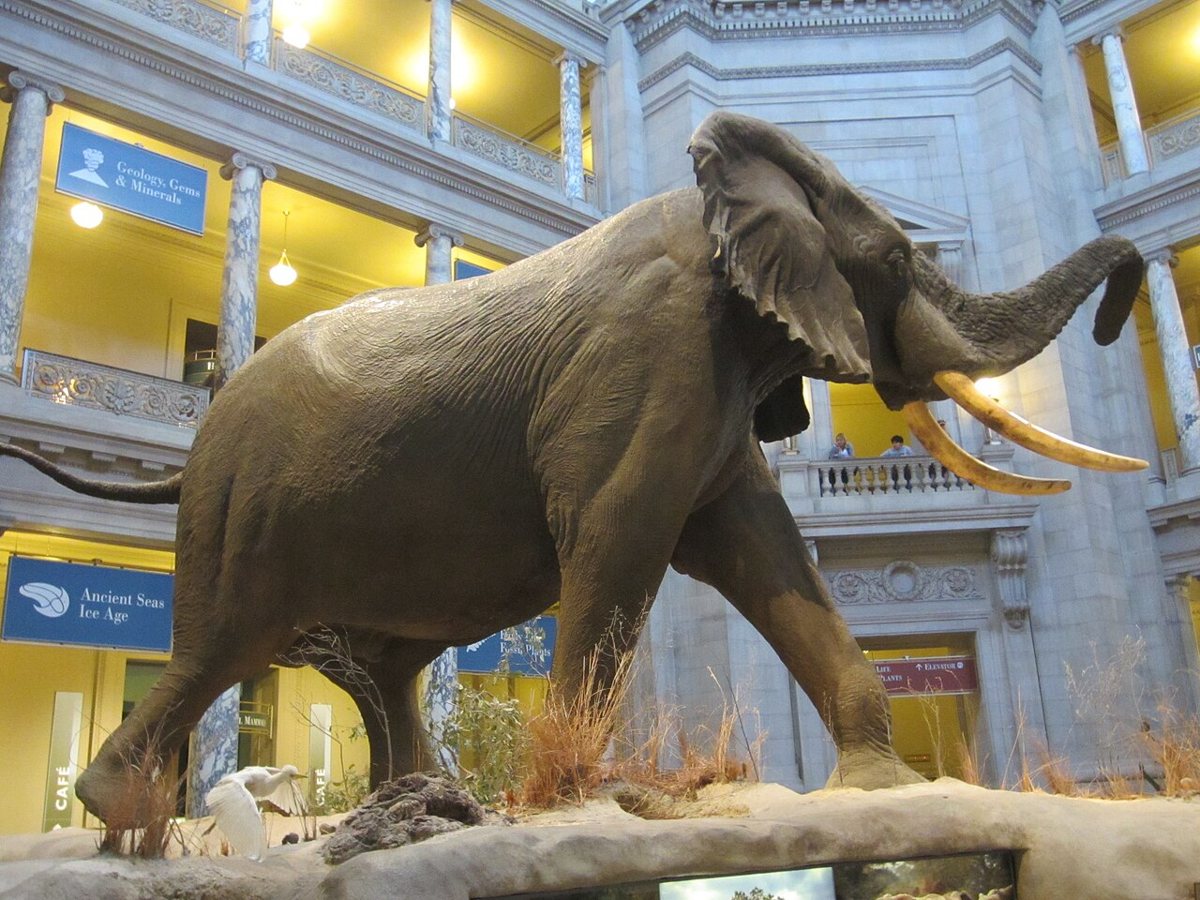
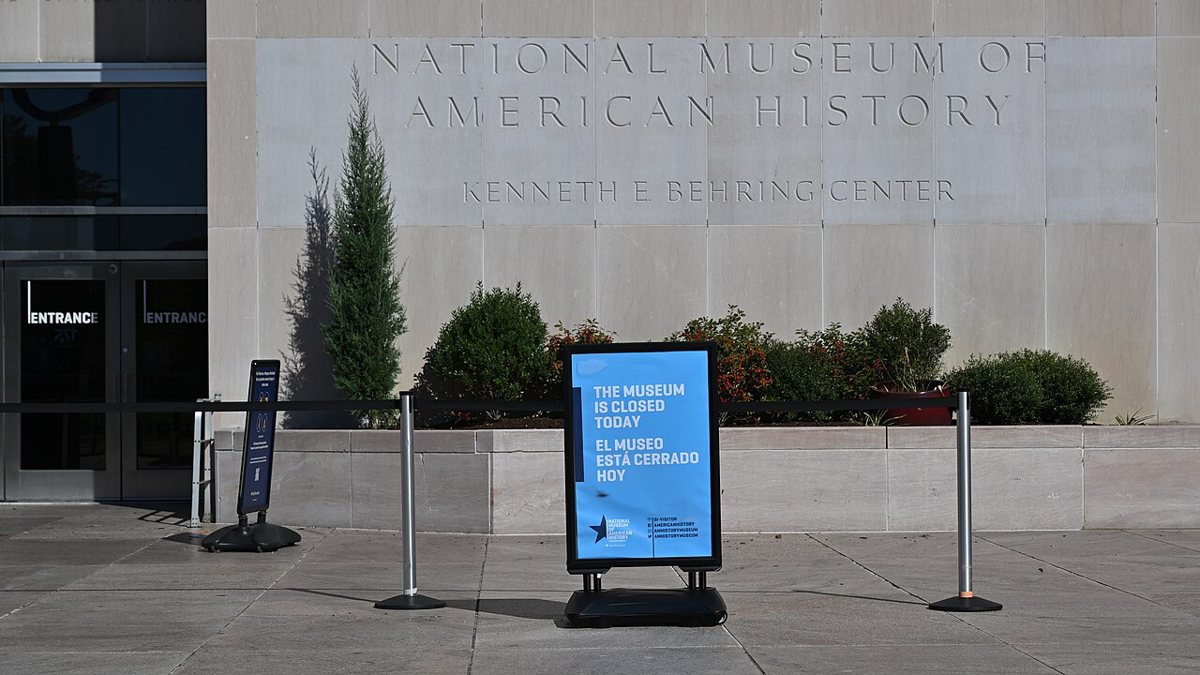
The National Museum of American History sits between the Natural History building and the Washington Monument grounds, and it's the one Smithsonian building where the objects themselves carry the whole story: the Star-Spangled Banner in its own darkened gallery, Dorothy's ruby slippers from "The Wizard of Oz," Julia Child's kitchen moved intact from her Cambridge home, and a transportation hall with a full-size steam locomotive. The building runs long, easily two to three hours if you actually stop at each hall rather than power-walking through, and the pop culture and everyday-life wings tend to hold kids' attention longer than the political history side does. Local teachers bring school groups here constantly during the fall and spring, so a summer weekday or an early weekend slot tends to run calmer. It's in Ward 2, directly on the Mall.

On the Mall: Smithsonian National Museum of African American History and Culture
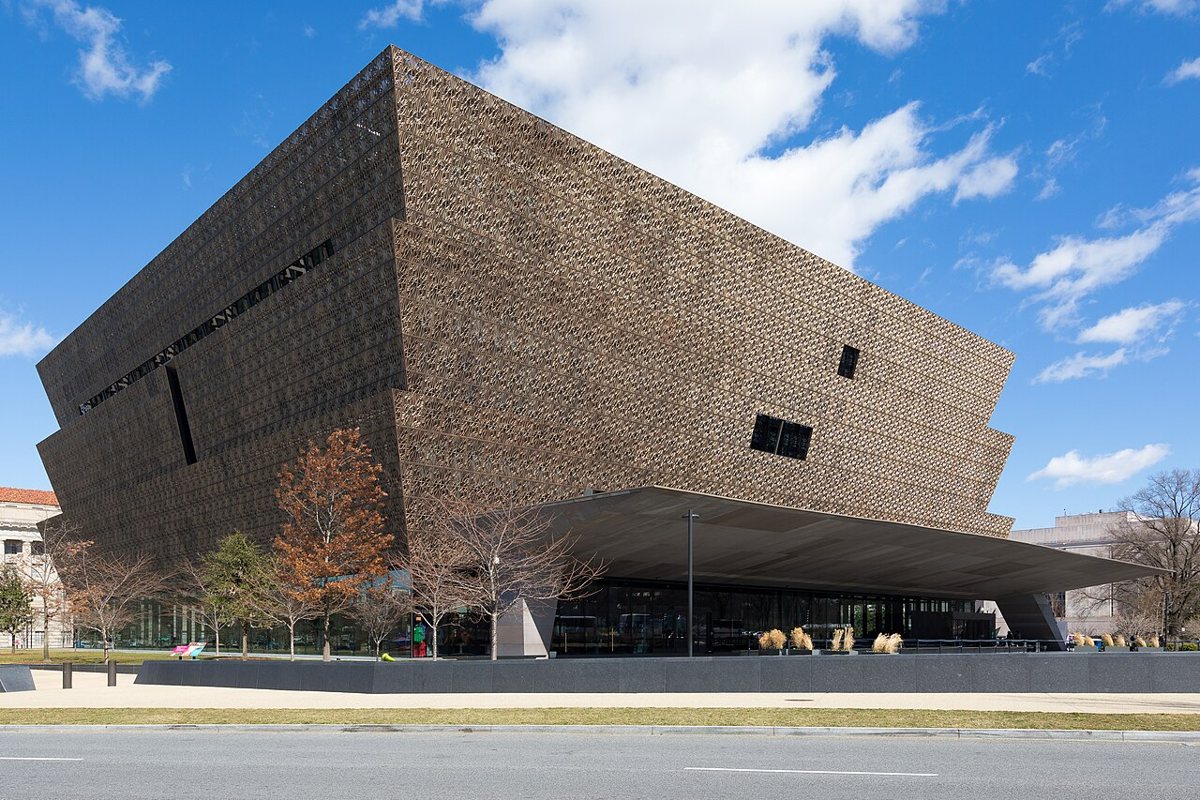
The Smithsonian National Museum of African American History and Culture opened on the Mall's south side in 2016 and remains the hardest timed pass to land of any Smithsonian building, because demand for it has never really cooled off. Its bronze corona exterior, designed to echo Yoruban art and ironwork made by enslaved craftsmen, wraps galleries that descend chronologically through slavery, Jim Crow, and the civil rights era before rising into culture floors covering music, sports, and everyday Black life. Plan a full afternoon here at minimum, and check current policy on same-day versus advance passes well before you show up, since availability shifts. It sits in Ward 2, near the Washington Monument grounds.

On the Mall: Smithsonian American Art Museum and National Portrait Gallery
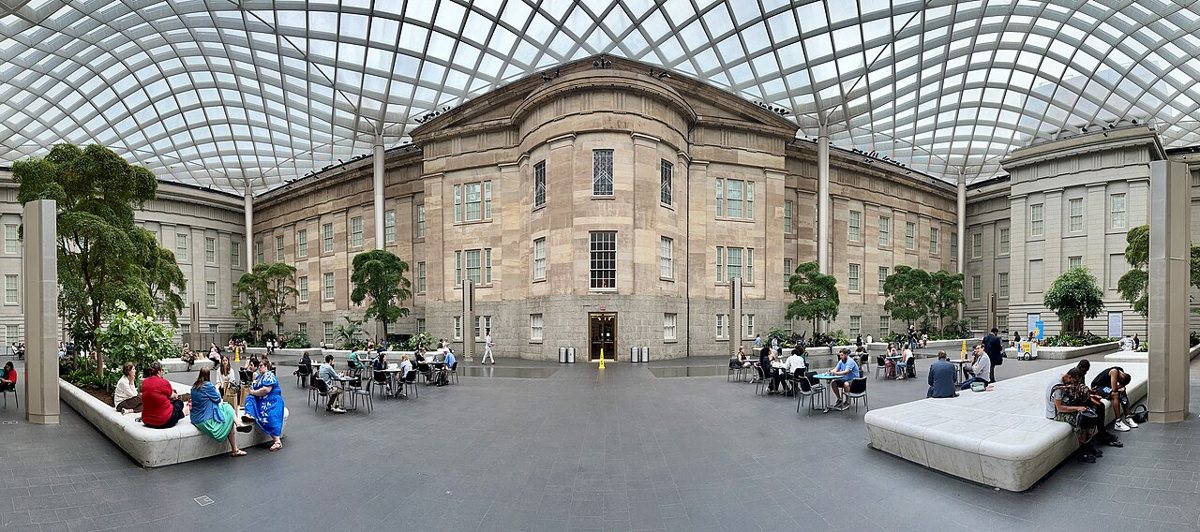
Away from the Mall itself but still part of the Smithsonian system, the Smithsonian American Art Museum and the National Portrait Gallery share the old Patent Office Building in Penn Quarter, a Greek Revival landmark locals call the Reynolds Center. American Art covers folk art, Gilded Age painting, and a Luce Foundation Center that displays study collections in glass cases you can wander for hours. The Portrait Gallery holds the only complete set of presidential portraits outside the White House, plus a "America's Presidents" hall that draws steady foot traffic. The shared courtyard, enclosed under a glass canopy, is one of the better free indoor spaces in downtown DC to sit down. It's in Ward 2, a short walk from Chinatown and Gallery Place.

On the Mall: Hirshhorn Museum and Sculpture Garden
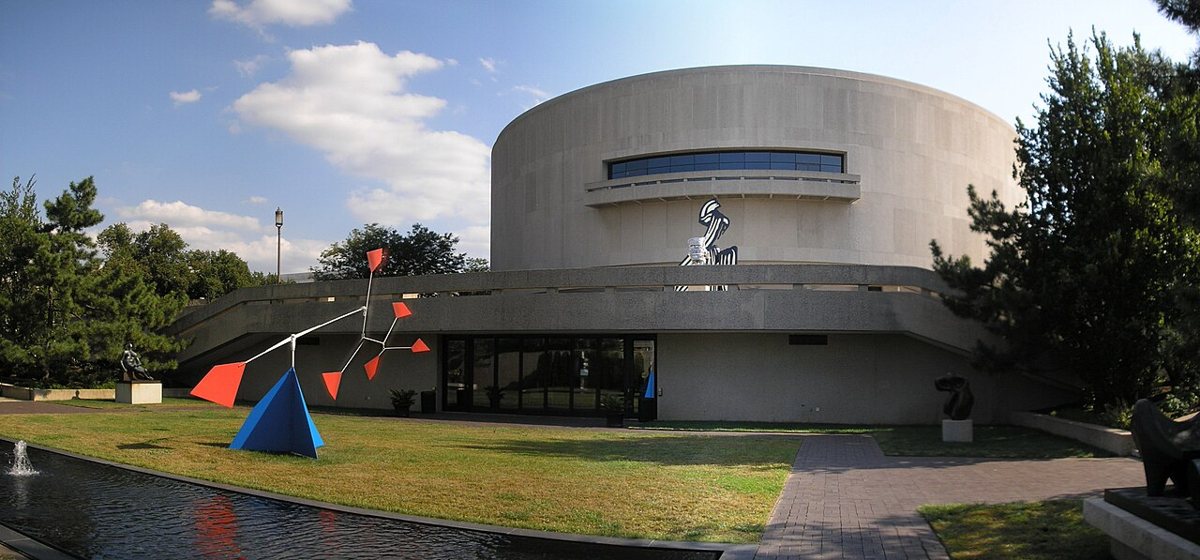
The Hirshhorn is the Smithsonian's modern and contemporary art museum, a circular concrete building on the Mall's south side that looks like nothing else in the federal city, ringed by a sculpture garden with Rodin, Moore, and rotating installations sunk below street level. Inside, expect large-scale contemporary shows, video art, and a collection heavy on postwar American and international work. The building's plaza sometimes hosts an immersive installation that draws its own separate line, so check what's currently on view before assuming a quick walk-through covers it. It's the least crowded major art museum on the Mall on an average weekday, which makes it a good counter-programming stop after the bigger halls. It sits in Ward 6.

On the Mall: National Museum of the American Indian
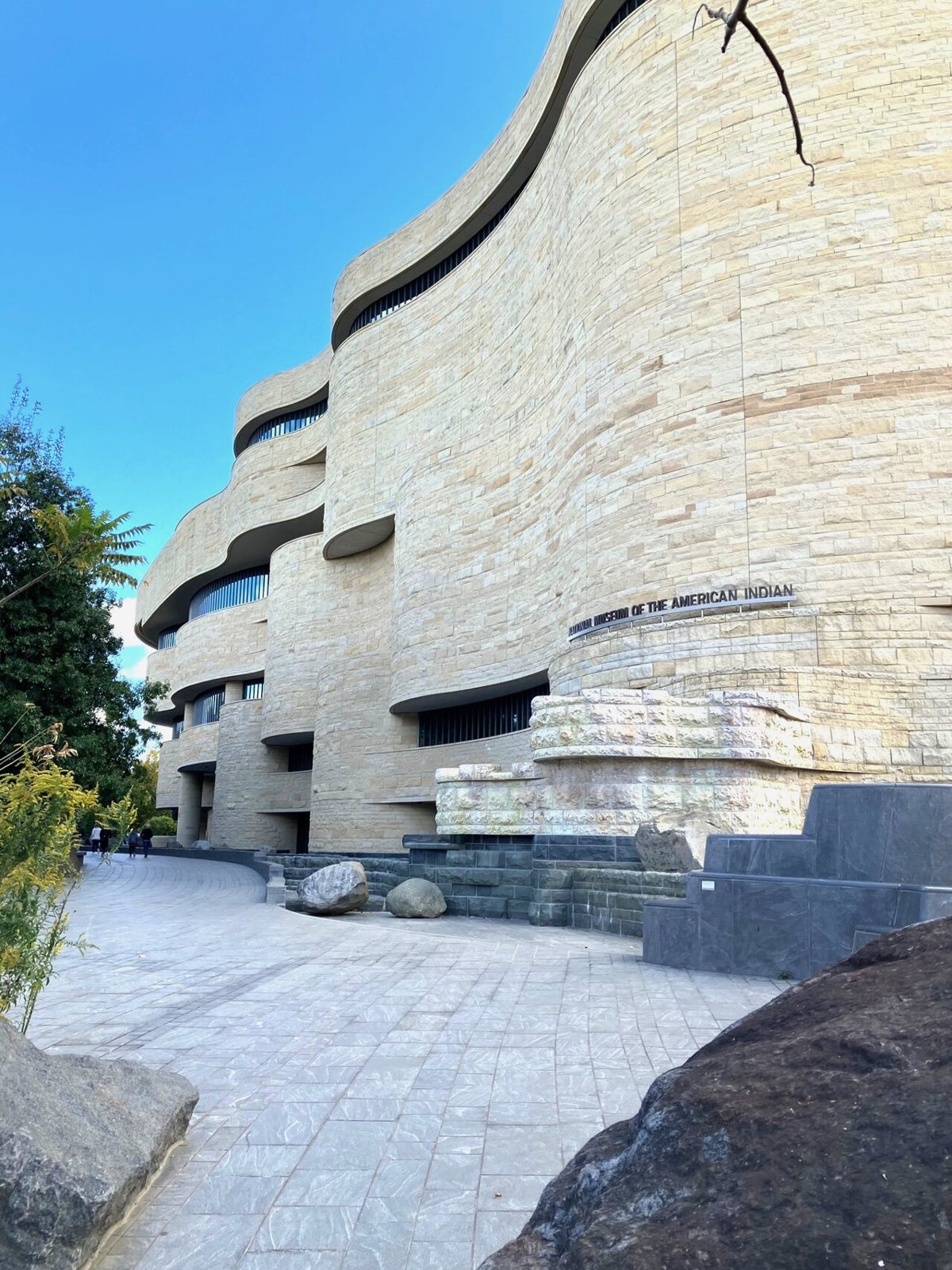
The National Museum of the American Indian, near the Capitol on the Mall's southeast end, tells the history and contemporary life of Native nations largely through material developed with tribal communities rather than a top-down curatorial voice, which sets its tone apart from most of the neighboring buildings. The curved limestone exterior and the Mitsitam Native Foods Cafe, which serves dishes drawn from Indigenous culinary traditions across the Americas, are both worth building time around. Exhibits rotate more than some of the Mall's older buildings, so a repeat visit a few years apart can turn up genuinely different content. It's in Ward 6, closest to the Capitol South Metro stop.

Just off the Mall: Renwick Gallery
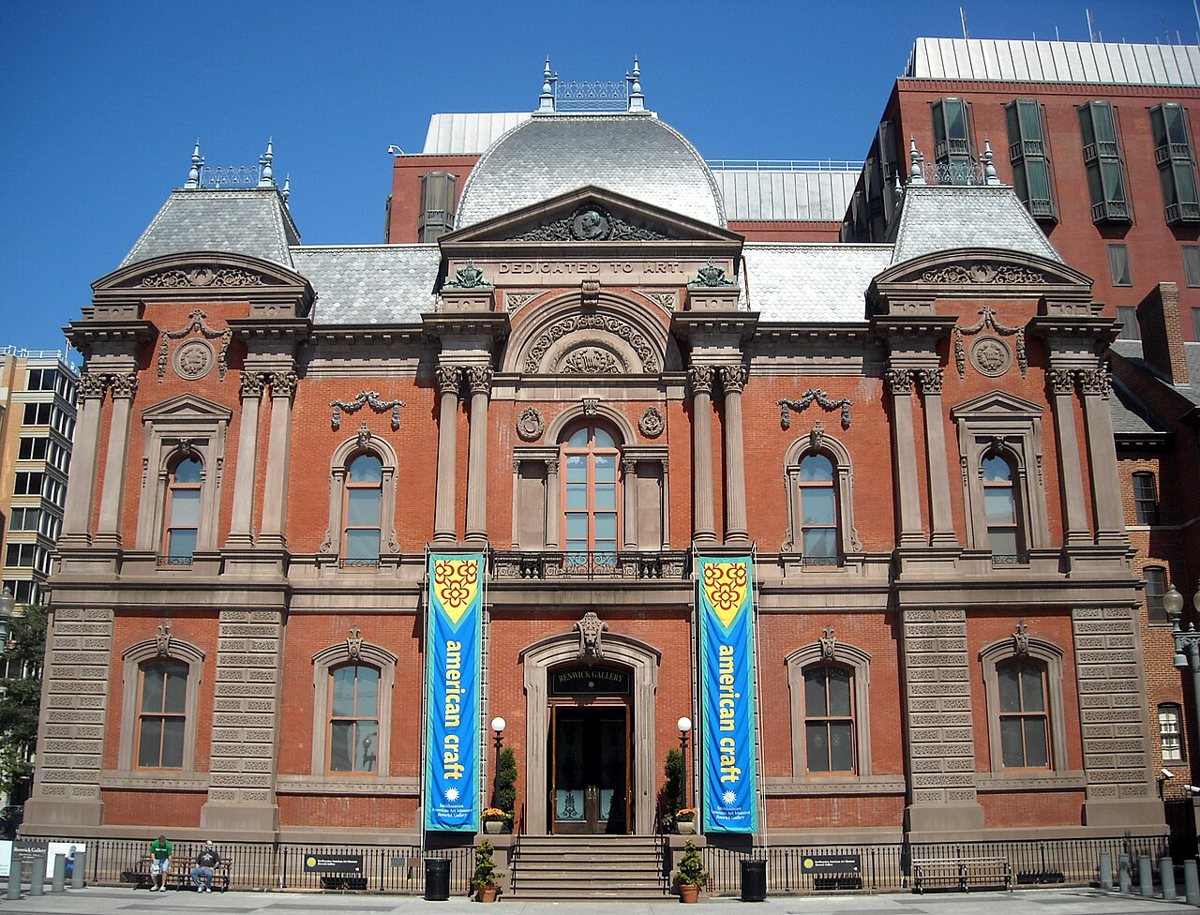
The Renwick Gallery, the Smithsonian American Art Museum's satellite building near the White House, occupies a French Second Empire structure that was the country's first purpose-built art museum. It's dedicated to American craft and decorative art, and it has built a reputation for room-scale installations that fill entire galleries with a single artist's immersive work, alongside a strong permanent collection of studio glass and ceramics, plus furniture. Because it's a fraction of the size of the buildings on the Mall proper, it's an easy full visit in an hour, which makes it a smart add-on to a Renwick-then-White-House afternoon. It's in Ward 2, at Pennsylvania Avenue and 17th Street.

Off the Mall: Where Best Museums in Washington DC Lists Usually Stop Short
This is the half of the city's museum scene that gets skipped when a piece is written by someone flying in for three days. None of these are federal buildings and none of them are free by default, but they carry as much weight in DC's cultural life as anything on the Mall, and two of them sit in neighborhoods that national coverage almost never reaches.
The Phillips Collection
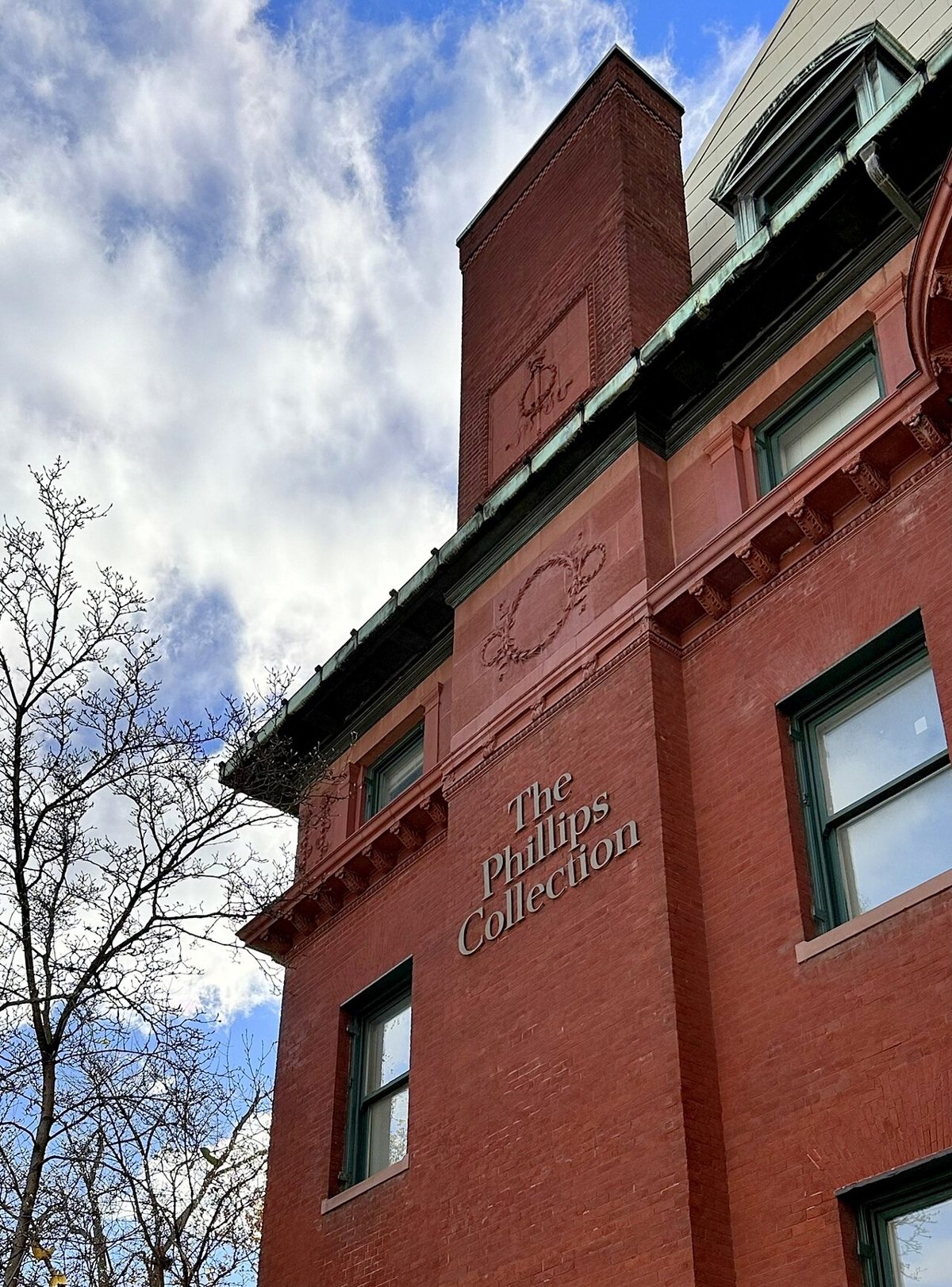
The Phillips Collection, in a converted Gilded Age townhouse on Dupont Circle, was assembled by Duncan Phillips as America's first museum of modern art, opened years before the Museum of Modern Art in New York. The collection centers on French Impressionism and early modernism, with Renoir's "Luncheon of the Boating Party" as its best-known holding, alongside strong Rothko and Klee rooms in a wing built specifically for them. The domestic scale of the original townhouse rooms, with period fireplaces and wood paneling still intact, makes this feel like visiting someone's extraordinary private house rather than an institution. Thursday evenings have historically drawn a lighter, later crowd than weekend afternoons. It's in Ward 2.

Anacostia Community Museum
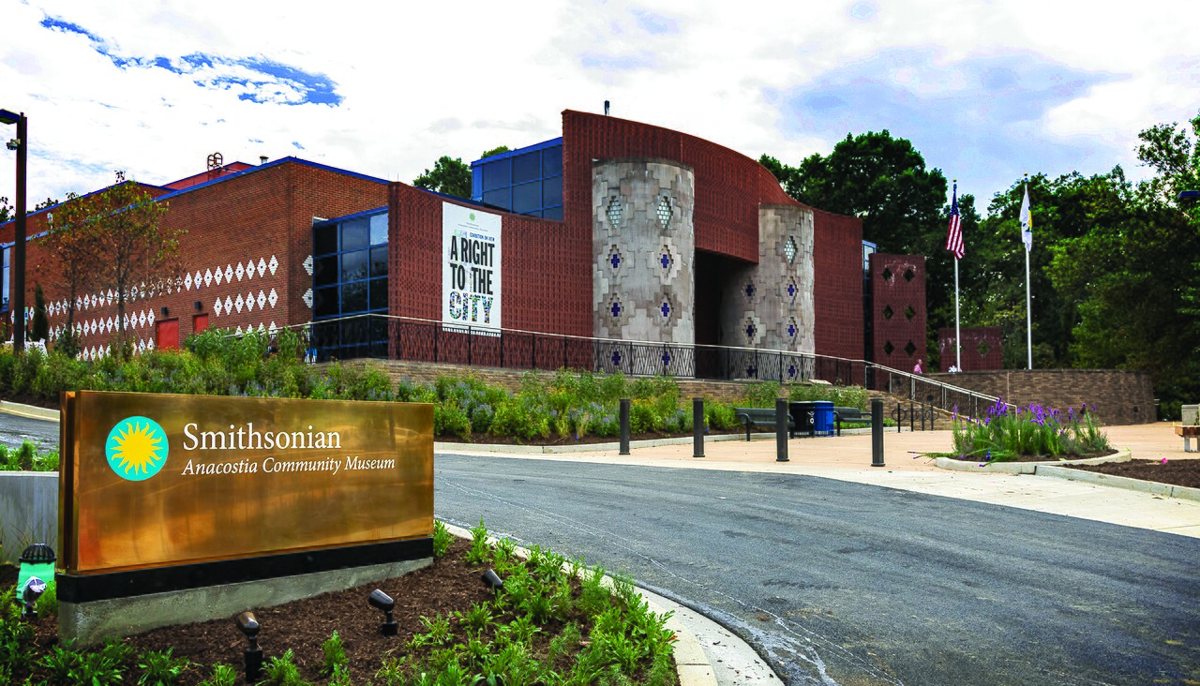
The Anacostia Community Museum, founded in 1967 as the Smithsonian's first neighborhood museum, sits in Fort Stanton Park east of the river and focuses on the history and culture of Black urban communities, with a strong emphasis on DC neighborhoods specifically rather than a generalized national narrative. Exhibitions have covered everything from the history of Anacostia itself to broader themes in Black community life, environmental justice, and migration, often built with direct input from the neighborhoods being represented. It's smaller than the Mall buildings and rarely draws a line, which means you can spend a slow, unhurried hour here on almost any given day. This is also, simply, a museum in Ward 8, a part of the city that gets covered by national press only when something goes wrong there, which makes visiting it on its own cultural terms worth doing.

National Building Museum
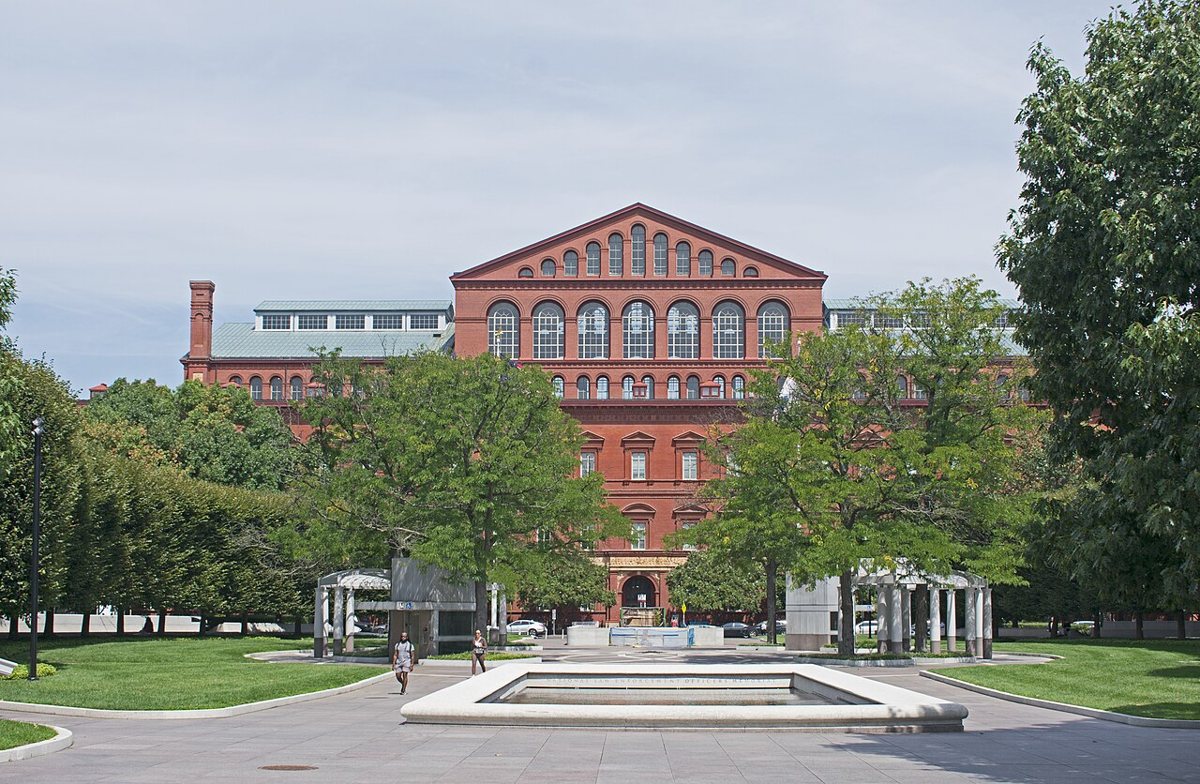
The National Building Museum occupies the old Pension Building near Judiciary Square, a 19th-century red brick landmark built for Civil War veterans' pension processing, with a Great Hall lined by soaring Corinthian columns that ranks among the most striking interior spaces in the city and has hosted presidential inaugural balls. The museum itself covers architecture and engineering, with exhibits that range from urban planning history to hands-on building exercises aimed at kids. The Great Hall alone, with its fountain and towering columns, is worth the stop even before considering the galleries around it. It sits in Ward 6, a short walk from the Judiciary Square Metro stop.

A Few More Real Museums Worth Knowing About
A handful of other institutions round out the picture without needing a full write-up each. Planet Word, near Franklin Park in Ward 2, is a museum built entirely around language and literacy, with interactive rooms that skew toward families. The International Spy Museum, relocated to a modern building near L'Enfant Plaza in Ward 6, covers the history of espionage through Cold War and modern-day artifacts and is one of the few paid-admission museums in the city built specifically as a tourist draw, which locals tend to visit once and remember fondly rather than return to often. The National Museum of Women in the Arts, in a restored former Masonic temple downtown, is the only major museum in the country dedicated solely to work by women artists across centuries. The National Museum of Asian Art, known for decades as the Freer and Sackler galleries and connected by an underground concourse near the Smithsonian castle, holds one of the finest collections of Asian art outside Asia along with an entire room preserved from James McNeill Whistler's Peacock Room. None of these four get the same daily foot traffic as the Air and Space building, but each one is a genuine destination on its own, and pairing one of them with a bigger Mall stop is a reliable way to build a fuller day without doubling back across town.
Getting Around and Timing It Right
Most Smithsonian museums cluster within walking distance of the Smithsonian, L'Enfant Plaza, and Federal Triangle Metro stops on the Mall, with the Blue, Orange, Silver, Green, and Yellow lines all reaching that corridor. Off-Mall museums scatter more: Dupont Circle Metro for the Phillips, Judiciary Square for the Building Museum, and a bus or rideshare for Anacostia Community Museum, since it sits a bit removed from the closest Metro stop at Anacostia station. Smithsonian museums are generally free to enter, which is a genuine anomaly among world capitals, but individual buildings sometimes require timed-entry passes during peak periods, and that policy has shifted more than once in recent years, so check current policy before building a schedule around a specific building. Weekday mornings beat weekend afternoons everywhere on this list. Federal holidays and the week around spring's peak bloom bring the heaviest Mall crowds of the year, while late fall and deep winter tend to be the calmest stretch for the same buildings.
Bag checks and security screening add real time at every Smithsonian entrance, particularly at the African American History and Culture museum and Air and Space, so building in a fifteen-minute buffer before any timed entry slot is worth doing rather than assuming a straight walk-in. Most Smithsonian buildings open at 10 a.m. and stay open into the early evening, though hours shift around the calendar, so checking the specific building's current schedule the morning of a visit avoids a wasted trip. Off-Mall museums generally keep shorter days and closer to standard business hours, and several close on Mondays or Tuesdays, another detail worth confirming before setting out.
- Metro is faster than driving for almost every museum on this list, and Mall-area parking is limited and expensive.
- Off-Mall museums, including the Phillips and the Building Museum, generally charge admission, so budget for that separately from the free Smithsonian buildings.
- A single day can realistically cover two or three Mall museums well, or one Mall museum plus one off-Mall stop; trying to cram in more tends to produce fatigue instead of memories.
- Coat and bag storage at the larger Smithsonian buildings fills up fast on busy weekends, so traveling light saves a wait at the door.
- Many museum cafes close their kitchens before the buildings themselves shut, so a late lunch inside the Mall cluster needs earlier timing than you'd expect.
Pair a museum day with a full day built around the rest of the city, since a museum morning leaves plenty of daylight for a neighborhood most guides never mention. And if a museum day turns into a longer stay, there's plenty more of the city to work through, since Dupont, Capitol Hill, and Anacostia each put you within reach of a completely different slice of this list.
The Honest Take
The Smithsonian's free federal museums are a genuine civic asset and nobody serious is arguing otherwise. But a city that measures its museum scene only by what sits on the Mall is missing the Phillips' quiet Renoir room, the Building Museum's Great Hall, and a Ward 8 institution that has been telling Black DC's own story since before most of the Mall's newer wings existed. Visit the big names. Then go east of the river and see what a museum looks like when it's built for the neighborhood around it instead of for a tour bus schedule.
The version of this city that shows up in most travel writing stops at the Mall's edge, as if Washington were a lobby you pass through on the way to somewhere else. Anyone who has actually lived here across eight wards knows that's backward. The Mall museums are extraordinary and worth every bit of the planning this guide spends on them. They're also a fraction of what makes this a real city with its own art scene, its own craft traditions, and its own institutions built by residents for residents. Build a trip around both halves and you'll leave with a far more accurate sense of Washington than a Mall-only itinerary could ever give you.